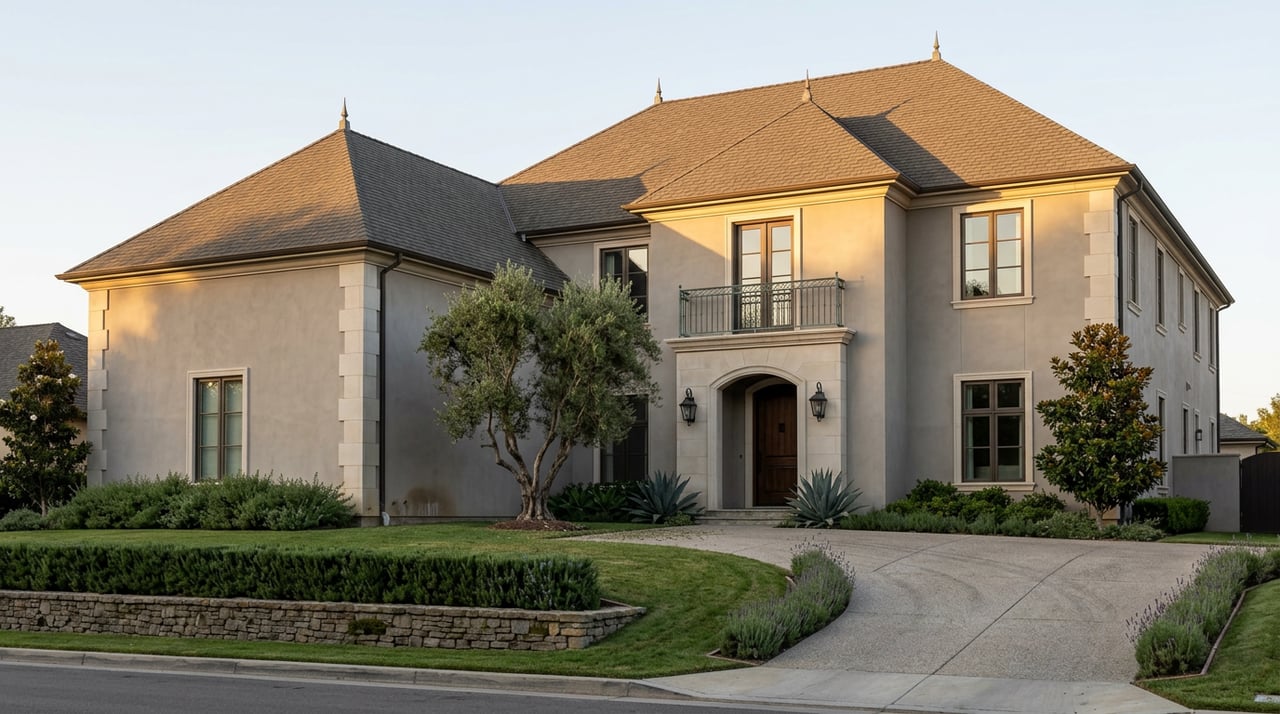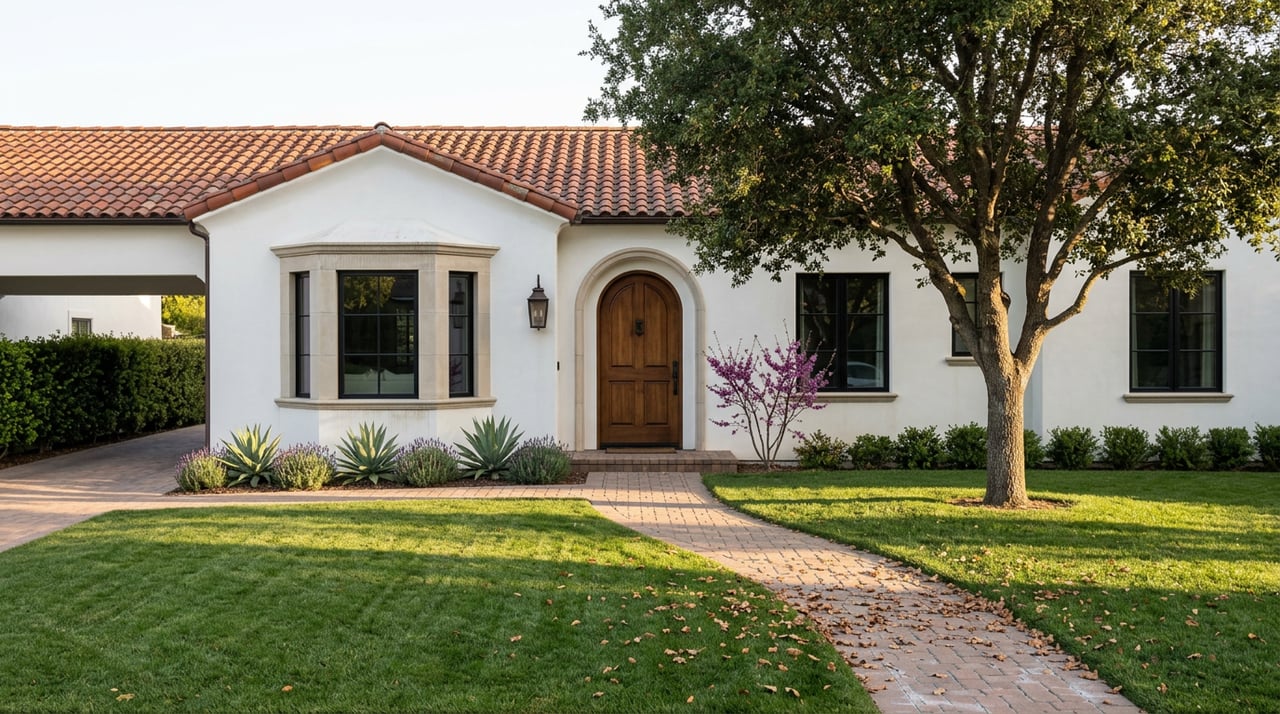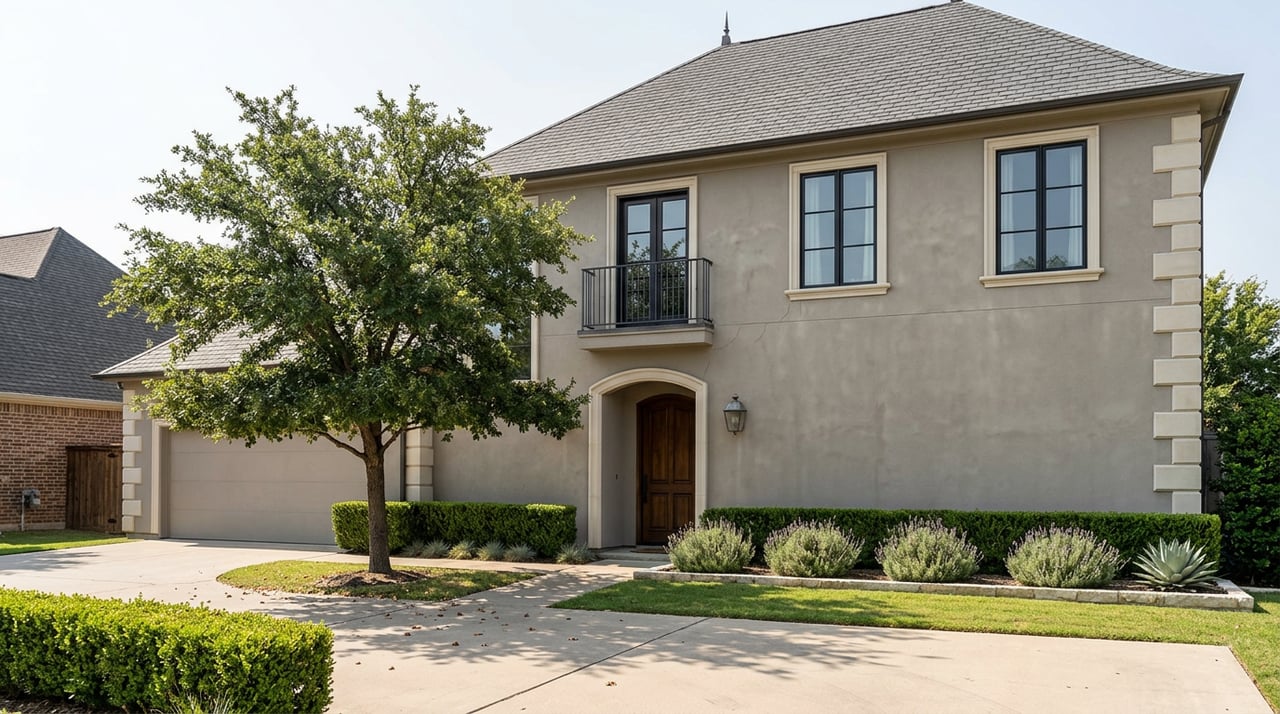
For at least a decade, anyone shopping homes on both sides of the Claremont-La Verne line has heard the same piece of folk wisdom from neighbors, longtime residents, and more than a few agents: La Verne's water is cheaper because the city owns its own system, while Claremont pays a private company that answers to shareholders instead of a city council. It's the kind of thing people say with total confidence at an open house, usually while comparing two nearly identical homes a few streets apart on either side of the city line.
The claim has a real number behind it. Back when Claremont was building its case to take over its water system from Golden State Water Company, the city put a figure on the gap in its own public materials: on average, Claremont ratepayers were paying about $50 more a month than La Verne customers for the same amount of water. That number fueled a city council vote, a ballot measure, and a lawsuit. It also turned out to be more complicated than it looked, and the numbers on the ground in 2026 are telling a different story than the one people have been repeating for years.
A Judge Actually Checked the Math
In 2014, Claremont offered Golden State Water $56 million to buy out the Claremont water system outright. Golden State said no. Claremont voters then approved up to $135 million in revenue bonds to fund a different path: taking the system by eminent domain. Because the city had never run a water utility, it lined up a five-year management contract with the City of La Verne, which does run its own municipal system, to operate things day to day if the takeover succeeded.
The case went to a 21-day bench trial in Los Angeles Superior Court. Judge Richard Fruin's tentative decision, issued in November 2016, is worth understanding because it directly undercuts the comparison that started the whole fight. Claremont's own price differential, the judge found, ignored that Claremont customers use more water per household than their La Verne counterparts, which alone pushes total bills higher regardless of who owns the pipes. He also pointed to a structural difference in how the two systems spend money: Golden State replaces underground pipe on a schedule approved by state regulators, spending roughly $1.3 million a year over the prior decade, while La Verne's practice was to leave pipe in the ground until it actually failed. Different maintenance philosophies produce different bills, and neither one is free.
The court ruled that Claremont hadn't shown the kind of clear, quantified case eminent domain requires, and Golden State kept the system. The folk wisdom survived the loss anyway. People kept saying La Verne was cheaper long after a judge had already found that the comparison behind it didn't hold up to scrutiny.
What Each City's Bill Actually Looks Like Right Now
Here's where the story gets more interesting for anyone comparing these two cities today, because the two systems are now moving in genuinely different directions.
Golden State Water's current rates for Claremont were set through a General Rate Case the California Public Utilities Commission approved in January 2025, covering 2025 through 2027. For a typical residential customer using 11 Ccf a month, the bill rose from $69.49 to $86.79 in 2025, a steep one-time jump, and then settles into smaller annual moves: $90.36 in 2026 and $94.23 in 2027. Golden State has already filed its next General Rate Case, submitted in July 2026, proposing rates for 2028 through 2030. Under that filing, a customer on a 1-inch meter would see a bill move from about $168 to about $198 by 2028, tied to more than $37 million in planned infrastructure work across Claremont's wells and reservoirs.
La Verne's water bills are on a much steeper path. In November 2025, the La Verne City Council voted 5-0 to approve the city's first water rate increase since 2019, structured across five phases: up to 35 percent effective January 1, 2026, another 25 percent on July 1, 2026, 15 percent on July 1, 2027, and 10 percent increases on July 1 of both 2028 and 2029. For a typical zone-one household using about 14,000 gallons per cycle, a bill that currently runs about $115 climbs to roughly $145 in January 2026, $178 that July, $205 by July 2027, $227 by July 2028, and $252 by July 2029. Sewer rates are rising on their own separate schedule, up 15 percent in January 2026 and another 15 percent every fiscal year through 2029.
Those two sets of numbers use different usage assumptions, 11 Ccf for Claremont versus roughly 14,000 gallons for La Verne, so lining them up on a single chart the way Claremont once did in its own city materials risks repeating exactly the mistake Judge Fruin flagged a decade ago. What the numbers do show clearly, without needing a precise crossover point, is the shape of each trajectory. Claremont's bill is moving in single digits after an initial adjustment, locked into a regulatory cycle that reviews rates every three years. La Verne's bill is more than doubling in under four years, through increases the city itself just voted on.
Why La Verne's Bill Is Catching Up All at Once
The mechanism here matters more than either number by itself. Golden State Water operates under a state-mandated review cycle: every three years, the CPUC's Public Advocates Office scrutinizes a new rate filing, and increases get spread across small annual steps. La Verne, as a city-run utility, answers to its own council rather than an outside regulator, which means nothing forces a rate review on a set schedule. The city went nine years without touching water rates. When the bills came due, they came due all at once.
La Verne's own reporting on the increase points to why: aging pipes and reservoirs, treatment plant upgrades at the city's 6th Street and White Avenue facility, and roughly $26 million in planned water and wastewater capital projects that had been deferred. Owning your own utility doesn't make the maintenance optional. It just changes who decides when to send the bill, and a city council facing 1,500-plus letters of opposition, which is what La Verne received before this vote, has less political room to spread increases out quietly the way a regulated utility can.
The Zone Line That Doesn't Show Up on a Listing Sheet
There's a second wrinkle specific to La Verne that a buyer comparing addresses should know about before writing an offer. The city's rate structure includes pressure zones tied to elevation. Customers beyond zone one, roughly the stretch from Brackett Field on the south end to Foothill Boulevard on the north, pay additional volumetric fees because moving water uphill costs more in energy and infrastructure. That means two La Verne homes a few streets apart, one on flatter ground and one climbing toward the foothills, can carry different water costs even before the 2026 through 2029 increases are layered on top. None of that shows up in a listing description, and it's the kind of detail that only surfaces once you ask.
What This Means If You're Comparing Claremont and La Verne Right Now
The old assumption, that La Verne water is simply the cheaper option, was already resting on shaky ground when a judge examined it in 2016. It's on shakier ground now that La Verne has approved the steepest rate increases either city has seen in years, while Claremont's rates are moving through a more gradual, regulator-reviewed schedule. Neither system is guaranteed to stay predictable. Golden State has another rate case working through the CPUC process for 2028 through 2030, and La Verne's own increases run through July 2029.
If you're weighing two similar homes across this line, ask for the specific address's last 12 months of water bills rather than relying on a citywide average. If the La Verne property sits above pressure zone one, ask what zone it's in and what the volumetric surcharge looks like. If the Claremont property is near the edges of the city, confirm it's actually served by Golden State's Claremont Customer Service Area, since that service area also reaches into parts of Montclair, Pomona, and Upland, and a nearby address might fall under different rates entirely. The comparison people have been making for a decade was never as simple as it sounded, and right now it's actively moving in the opposite direction from what most people still assume.
Frequently Asked Questions
Does this mean Claremont water is now cheaper than La Verne's? Not as a blanket rule. Usage levels, meter size, and pressure zone all affect the final bill, which is the same complication a judge identified in the 2016 eminent domain trial. What's changed is the direction of travel: Claremont's increases are smaller and spread out under CPUC review, while La Verne just approved a much steeper, faster climb.
Is La Verne's rate increase locked in, or could it change? The council adopted the five-phase schedule in November 2025 after public hearings, so the near-term increases through 2026 are set. The later phases, running through July 2029, are part of the same adopted plan, though city councils can revisit rate policy in future years the way any local government can.
How do I check water costs for a specific address before making an offer? Ask the seller for the past 12 months of water bills, and for a La Verne property, ask the city directly which pressure zone the parcel sits in. For a Claremont property, Golden State Water's Claremont rate page lists current tiered rates and the status of pending increases.
Comparing two cities on a single number was never going to tell the whole story here, and the story keeps changing. If you're weighing a move between Claremont and La Verne and want a street-level read on what a specific address actually costs to hold, Jessie Rodriguez can walk through the comparison with you before you write an offer.