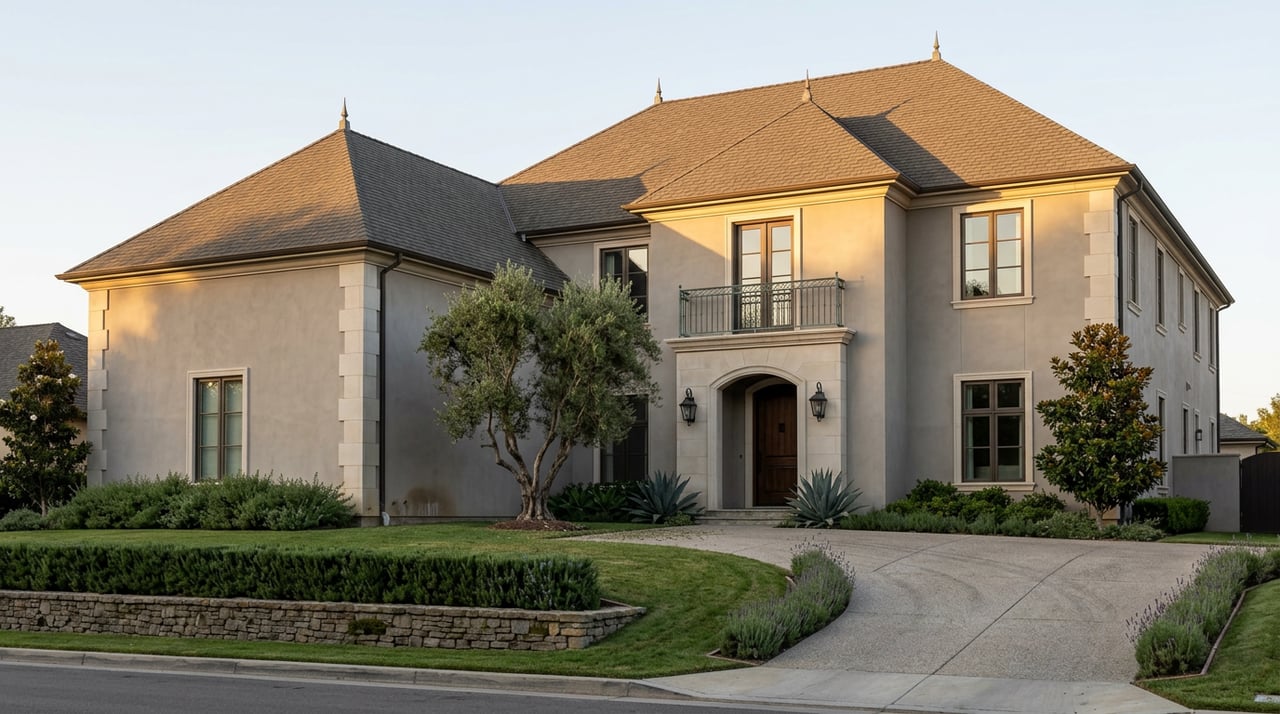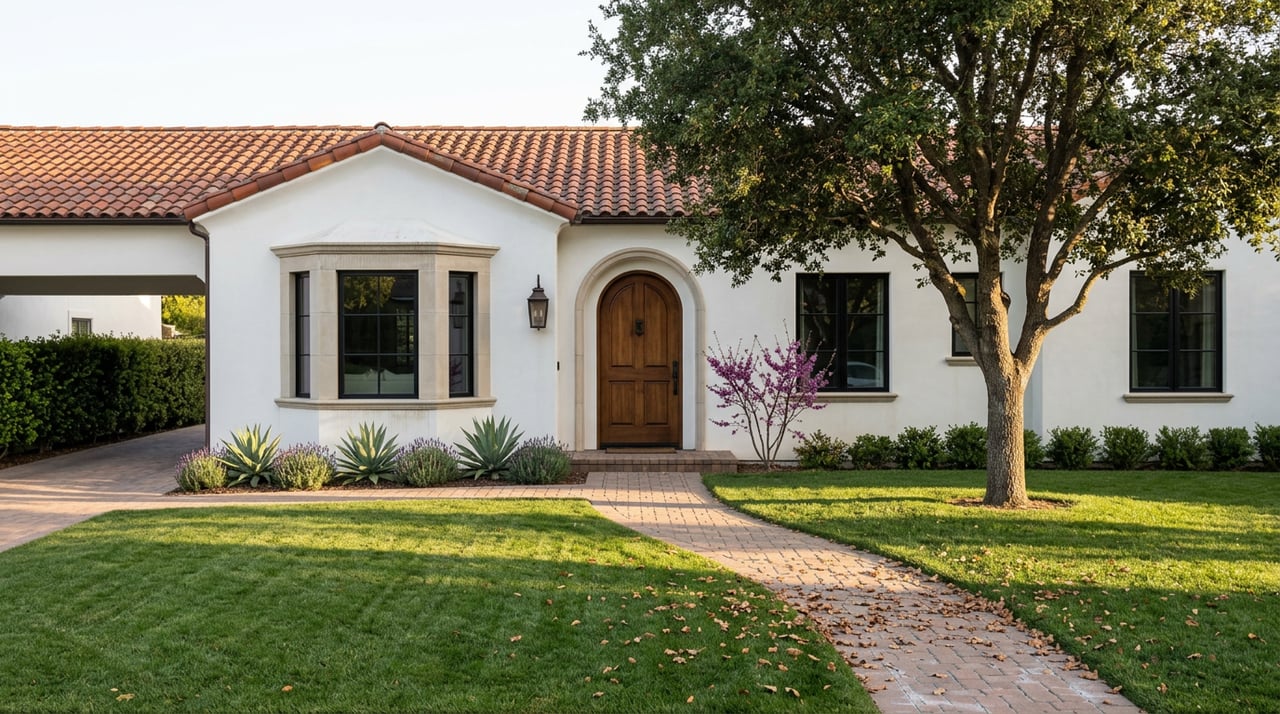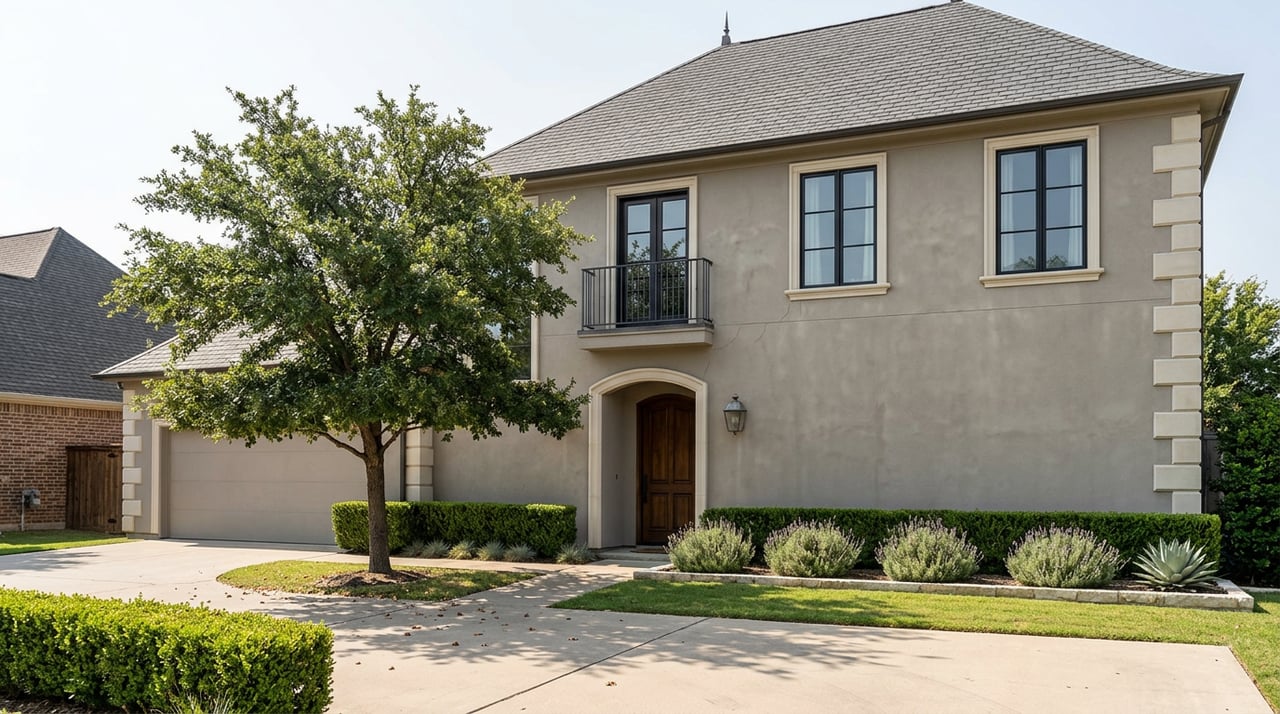
A buyer comparing two Rancho Cucamonga listings this month might see a newer four-bedroom near Day Creek priced around $780,000 and an older four-bedroom in Alta Loma priced closer to $930,000. On paper, the Day Creek home looks like the deal. Run the actual monthly numbers, though, and the gap narrows or disappears entirely. The reason has nothing to do with square footage, lot size, or how recently the kitchen was updated. It has to do with a special tax that shows up on one property's bill and not the other's.
The Gap The Listing Price Doesn't Explain
Rancho Cucamonga's citywide numbers set the baseline. Redfin's trailing three-month data through June 2026 put the median sale price at $786,000, down 2.9 percent from the same period a year earlier. Movoto's August 2026 figures showed homes listed at a median asking price of $849,000, with the typical property sitting on the market 60 days before going pending. Homes.com puts the median sale price at $798,900, also down roughly 5 percent year over year. However you slice it, the citywide center of gravity sits somewhere in the high $700,000s to low $800,000s in mid-2026.
Alta Loma sits well above that. Redfin's neighborhood-level data for Alta Loma currently shows a median sale price around $925,000, a gap of roughly $75,000 to $140,000 over the citywide figure depending on which citywide number you use. Local agent commentary on the broader market has noted the same pattern: foothill areas like Alta Loma and Etiwanda consistently price above the city median, while south Rancho Cucamonga offers the more attainable entry points.
The conventional explanation stops there. Foothill views, larger lots, mature trees, proximity to the mountains. All true, all part of the story. But none of it fully accounts for why a buyer's actual monthly housing cost in Alta Loma can end up lower than a nominally cheaper home a few miles northeast, near Day Creek or inside the newer tracts ringing the Victoria Gardens corridor.
Where The Second Tax Line Lives
The missing variable is Mello-Roos, formally a Community Facilities District special tax authorized under the Mello-Roos Community Facilities Act of 1982. Rancho Cucamonga's own Special Districts page confirms the mechanics: a CFD funds public improvements and ongoing services within a defined area, and the special tax bills through San Bernardino County as a separate line item on the property tax statement, distinct from the standard 1 percent base rate.
That base rate in Rancho Cucamonga typically runs between 1.1 and 1.25 percent of assessed value. In neighborhoods carrying an active CFD assessment, the effective combined rate climbs to somewhere between 1.5 and 1.8 percent. The geography of where that extra half-point to more than half-point lands is not random. It tracks almost exactly with the newer construction: the Etiwanda area north of Foothill Boulevard near Day Creek, newer tracts built around the Victoria Gardens corridor, and pockets of the northeast Rancho Cucamonga corridor.
The flip side of that map is just as consistent. The Haven Avenue corridor in west Rancho Cucamonga, South Rancho Cucamonga, and the established Terra Vista community generally carry no Mello-Roos at all, because their infrastructure was funded and built before CFDs became the city's standard financing tool for new subdivisions. That tool didn't become common until roughly the 2000s, which is the same dividing line that separates Alta Loma, one of the city's oldest and most built-out foothill communities, from the post-2000 tracts near Day Creek and Victoria Gardens that do carry the assessment.
What The Tax Actually Costs A Buyer
Mello-Roos assessments in the Inland Empire typically run $2,000 to $6,000 a year, which works out to $170 to $500 a month layered on top of the mortgage payment, insurance, and base property tax. That monthly number does more damage to a buyer's budget than its size suggests, because lenders count it in the debt-to-income calculation exactly like a mortgage payment. A $4,000 annual Mello-Roos assessment effectively reduces a buyer's qualifying purchasing power by somewhere in the range of $50,000 to $60,000, since every dollar going toward the CFD tax is a dollar that can't go toward loan principal.
Put two comparable Rancho Cucamonga homes side by side and the math looks something like this:
| Newer tract, active CFD | Established neighborhood, no CFD | |
|---|---|---|
| Sale price | $780,000 | $925,000 |
| Base property tax (1.1%-1.25%) | ~$9,000/yr | ~$10,700/yr |
| Mello-Roos / CFD special tax | ~$4,000/yr ($333/mo) | $0 |
| Effective annual property tax burden | ~$13,000 | ~$10,700 |
| Approximate monthly tax difference | +$333/mo vs. no-CFD home | baseline |
The $145,000 gap in sale price buys the newer home a lower headline number, but a third of that gap in monthly carrying cost gets clawed back every single month for as long as the district's bond remains outstanding. Sellers in CFD neighborhoods are effectively competing not just against other Mello-Roos homes but against every CFD-free comparable nearby, and buyers who run the full PITI math, not just the sticker price, are the ones who notice.
How To Check A Specific Address Before Writing An Offer
None of this shows up on a portal's headline price. It shows up on the property tax bill, and it's worth confirming before an offer goes in rather than during underwriting.
- Pull the most recent secured property tax bill for the address and look for a line item labeled Community Facilities District, CFD number, or Mello-Roos, billed separately from the standard 1 percent assessment.
- If a CFD line appears, request the Rate and Method of Apportionment for that specific district. This document spells out the maximum tax, any annual escalation formula, and the bond's remaining term.
- Call the CFD administrator listed on the tax bill for a payoff quote if prepayment interests you or the seller. Lump-sum payoffs in the Inland Empire typically range from $15,000 to $50,000 depending on the years remaining, and it's worth running that number against the pricing benefit before assuming prepayment makes financial sense.
- Ask your lender to confirm how the CFD line factors into your debt-to-income ratio before you fall in love with a specific payment estimate.
A $4,000-a-year special tax doesn't just cost $333 a month. It quietly narrows what a buyer can qualify to borrow by tens of thousands of dollars, which is exactly why two homes priced $150,000 apart can end up competing for the same buyer.
What This Means Depending On Who You Are
For a buyer stretching toward a foothill address, the Alta Loma premium starts to look less like a luxury tax and more like a partial refund. A meaningful piece of that higher sale price reflects a home that comes without a second annual bill attached, and the monthly math often lands closer than the list prices suggest.
For a buyer eyeing new construction near Day Creek or inside a Victoria Gardens-area tract specifically because the entry price looks lower, the CFD line deserves the same scrutiny as the HOA dues. It's not disclosed with the same visibility, and it doesn't disappear when the market cools.
For a seller in a CFD-carrying neighborhood, pricing has to account for the fact that your real competition includes every non-CFD home in a comparable radius. Buyers increasingly run this math themselves, and a listing priced to ignore it tends to sit.
Frequently Asked Questions
Does a Mello-Roos assessment ever expire? The special tax is tied to the life of the bond that financed the district, and it typically drops off once that bond is retired. The exact timeline and any escalation formula are set out in that district's Rate and Method of Apportionment, which is worth requesting directly rather than guessing at.
Is Alta Loma the only Mello-Roos-free option near the foothills? No. Terra Vista, South Rancho Cucamonga, and the neighborhoods along the Haven Avenue corridor in west Rancho Cucamonga are also generally CFD-free, largely because their infrastructure predates the city's newer development-financing districts.
Can a Mello-Roos payoff be negotiated into a purchase offer? Sometimes. A buyer can ask a seller to pay off the remaining CFD balance at closing, similar to negotiating a credit, though whether that makes financial sense depends on the payoff amount relative to the monthly savings over your expected time in the home.
If you're comparing a newer Rancho Cucamonga tract against an established foothill address and want the full monthly cost laid out side by side, not just the sale price, Jessie Rodriguez can pull the tax history on any specific address and walk through what it actually means for your offer.