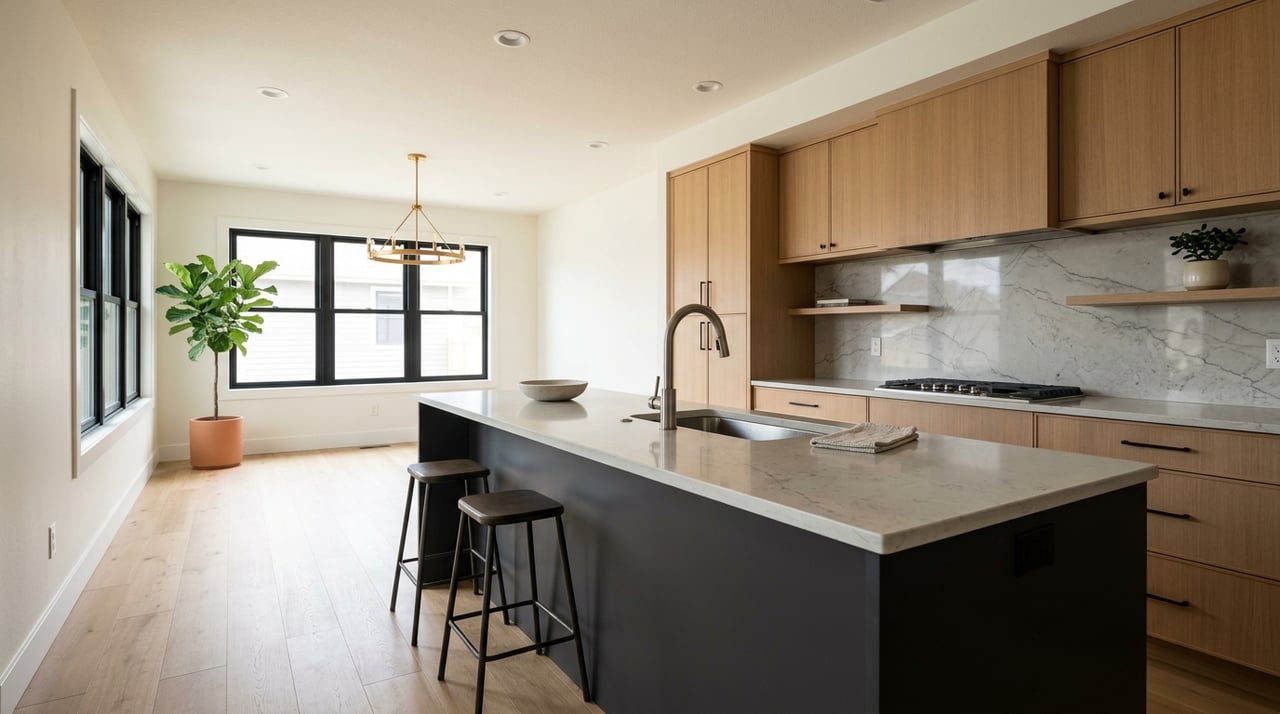
Selling in Glendora can feel like a balancing act. You want your home to stand out, but you also do not want to pour money into upgrades that buyers may not fully pay back. The good news is that in a market where the median sale price is about $929,444, homes are still moving, but buyers are paying close attention to condition, presentation, and value. This guide will help you focus on the updates that usually make the most sense before listing, avoid common over-improvements, and build a smarter plan for your sale. Let’s dive in.
Why update strategy matters in Glendora
Glendora is a competitive market, but it is not a market where every renovation pays off equally. Recent market snapshots show a median listing price around $1.0 million, a sale-to-list ratio of 100%, and homes spending about 37 days on the market on average.
That tells you something important. Buyers are willing to pay for homes that feel well cared for and move-in ready, but there is still a limit set by nearby comparable sales. If you overspend on major remodels, you may improve the home without fully improving your net proceeds.
Start with repairs that affect trust
Before you think about paint colors or countertops, focus on anything that could raise concerns during showings or inspections. Safety issues, maintenance problems, and known defects should come first.
California requires a Transfer Disclosure Statement in residential sales. That means pre-sale work should be used to correct real problems and improve presentation, not to avoid disclosing known issues.
A smart first-pass checklist often includes:
- Roof leaks or visible roof wear
- Plumbing leaks or water damage
- Electrical issues
- Broken windows or doors
- Damaged gutters or drainage concerns
- HVAC problems
- Dry rot, peeling exterior materials, or other deferred maintenance
If a repair affects buyer confidence, financing, or inspections, it usually deserves attention before a cosmetic upgrade does.
Focus next on curb appeal
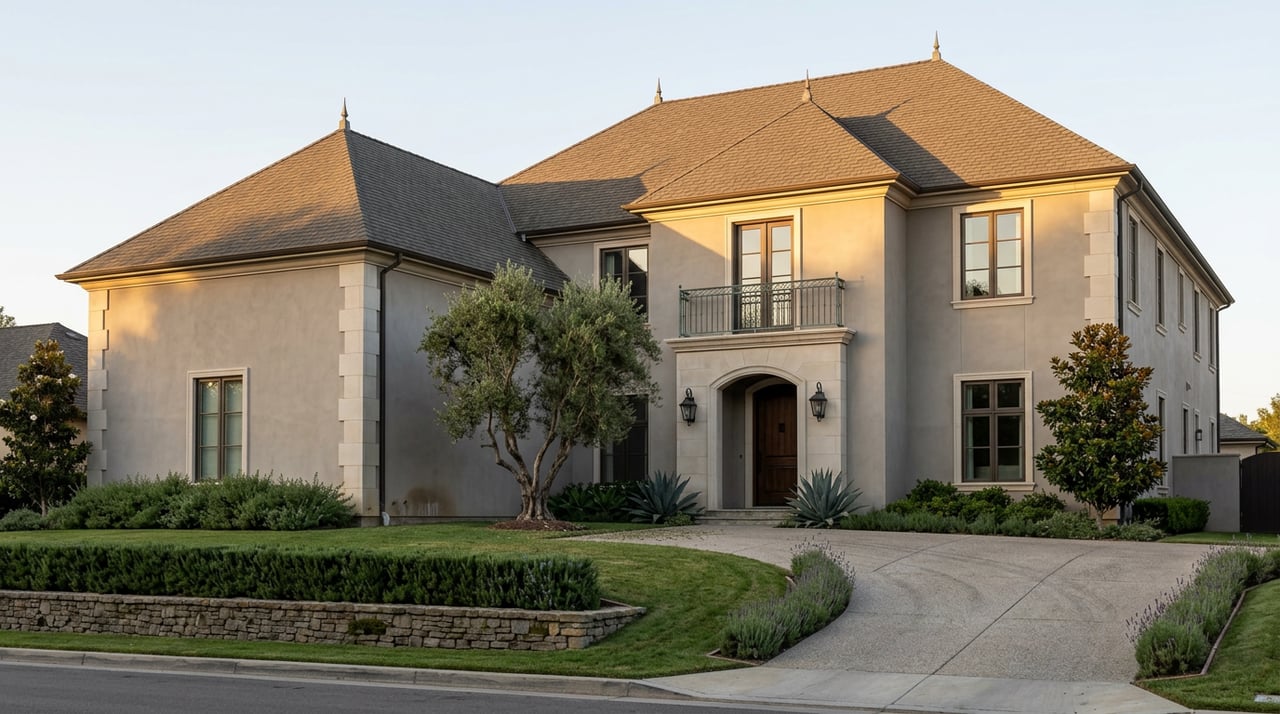
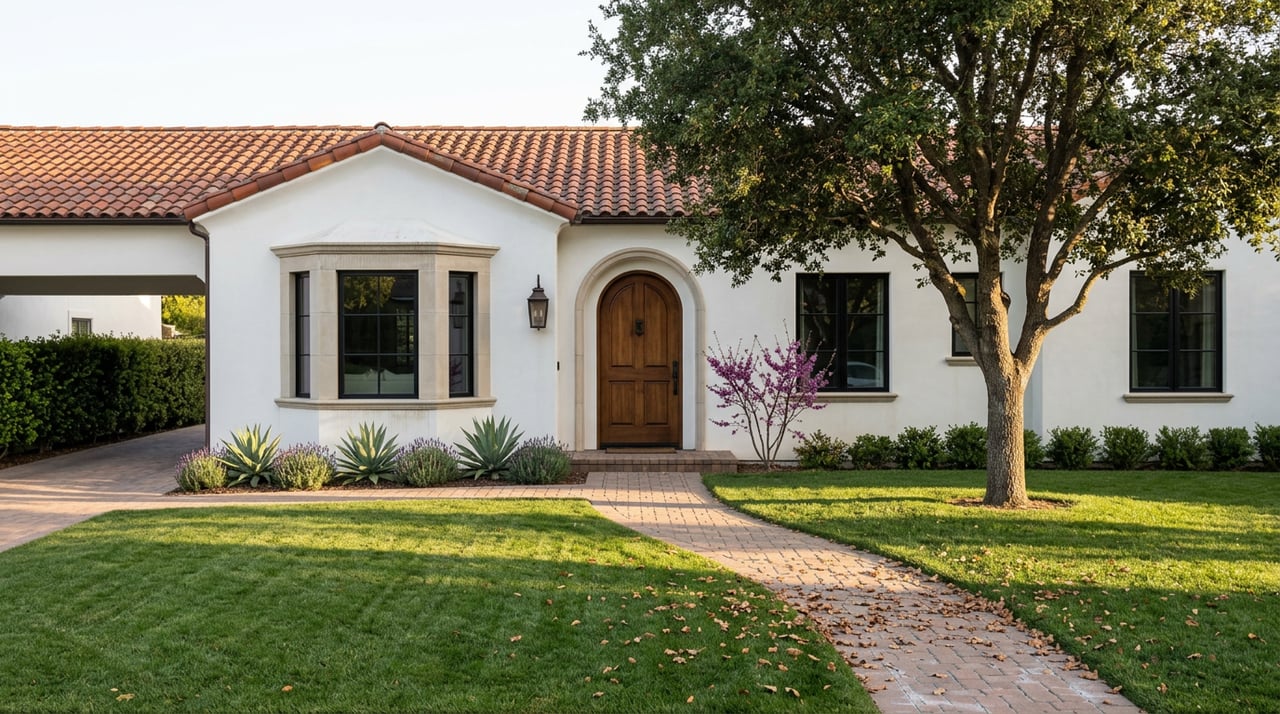
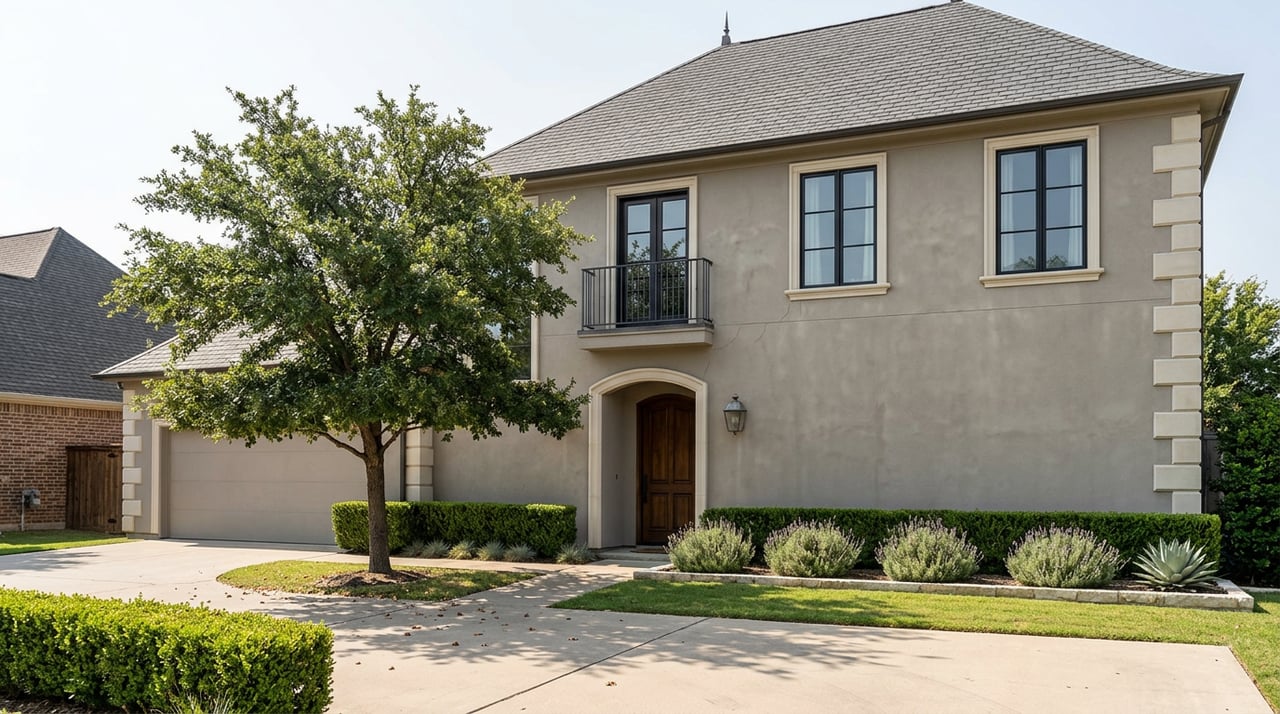
For many Glendora sellers, the best return starts outside. In the 2025 Cost vs. Value report for the Pacific region, some of the strongest resale performers were exterior projects, including garage door replacement, steel entry door replacement, manufactured stone veneer, and fiber-cement siding replacement.
That does not mean you need to tackle every exterior project. It means buyers often respond strongly to updates that improve first impressions and signal that the home has been cared for.
Exterior updates with broad appeal
These are often worth considering before listing:
- Clean up landscaping and trim overgrowth
- Refresh mulch, planters, or planting beds
- Pressure wash walkways and exterior surfaces where appropriate
- Repaint or touch up trim and worn exterior areas
- Replace an old garage door if it drags down the front elevation
- Replace a tired front door or hardware
- Repair cracked paths, loose railings, or damaged fencing
In listing photos and drive-up impressions, these updates often do a lot of work for a reasonable budget.
Keep interior updates simple and visible
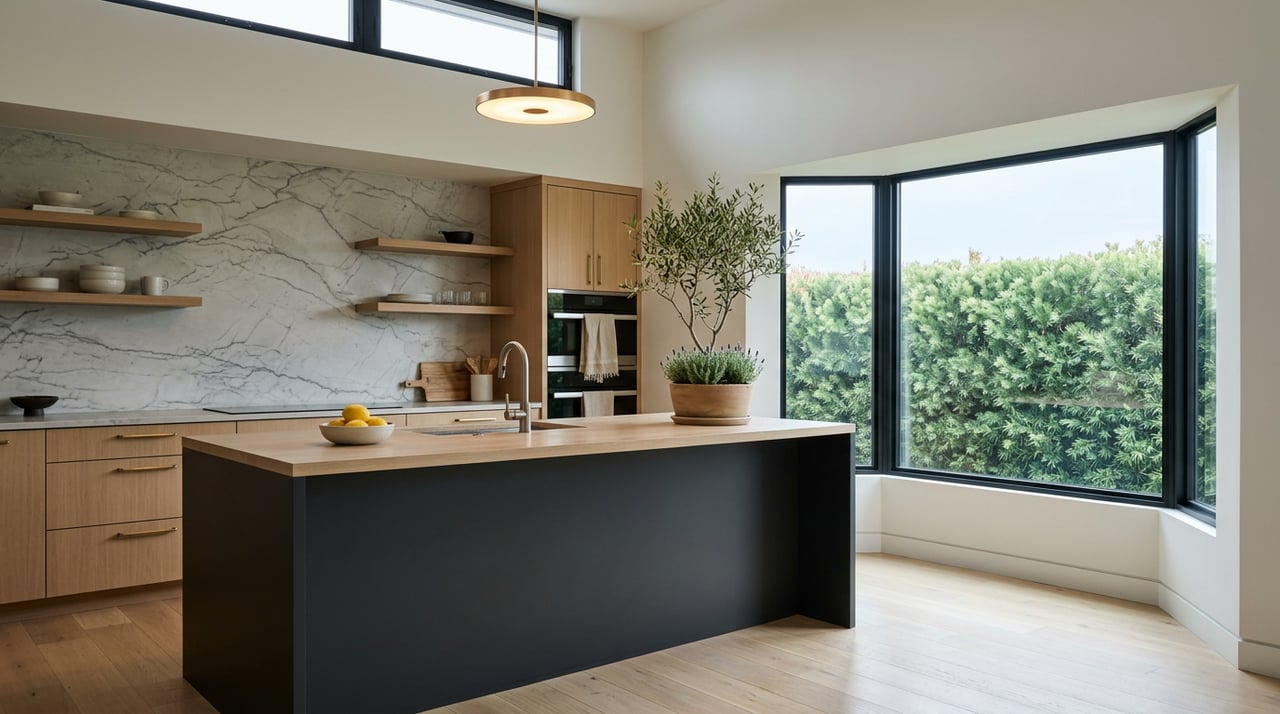
Inside the home, smaller refreshes usually make more sense than full remodels. The Pacific region data shows that a minor kitchen remodel has a much stronger recoup profile than a major midrange kitchen remodel. Bath updates follow a similar pattern, with midrange remodels performing better than upscale projects.
For most sellers, this points to a simple strategy: improve what buyers see first, and skip expensive choices that are too personal or too costly to recover.
Interior changes that often help
You may get more traction from practical refreshes like:
- Fresh interior paint
- Updated light fixtures
- New cabinet hardware
- Recaulking kitchens and baths
- Replacing worn faucets or mirrors
- Refinishing or painting older cabinets when appropriate
- Swapping dated accessories for a cleaner, lighter look
These updates help the home photograph better and feel more current without pushing you into full renovation territory.
Be selective with kitchen and bath work
Kitchens and bathrooms matter, but that does not automatically mean you should gut them. In fact, major midrange kitchen remodels in the Pacific region recouped only 57.2%, while upscale bath remodels recouped 56.8%.
That is a strong sign to stay practical. Unless your kitchen or bathroom is truly broken, heavily damaged, or severely outdated, a full-scale remodel may not be the best pre-sale move.
When a light refresh is enough
A kitchen or bath may only need:
- Paint
- New hardware
- Better lighting
- Deep cleaning and grout refresh
- Countertop or vanity touch-ups
- Replacing one or two visibly dated fixtures
The goal is to make the space feel clean, functional, and broadly appealing. Buyers in Glendora may pay for condition and presentation, but they will still compare your home to others in the same price range.
Treat flooring as a condition issue
Flooring can have a big visual impact, but it should be handled case by case. NAR reports that 46% of buyers are less willing to compromise on a home’s condition, which makes worn flooring more than just a style issue.
If floors are heavily scratched, stained, chipped, or mismatched, they can hurt photos and showings. If they are in decent shape, though, your money may go further elsewhere.
Good flooring decisions before listing
Consider:
- Refinishing hardwood if wear is obvious
- Replacing damaged carpet in key rooms
- Repairing broken tile
- Deep cleaning flooring that is still serviceable
You do not always need brand-new floors. You need floors that look cared for and do not create an immediate objection.
Watch for Glendora fire-risk concerns
In Glendora, exterior condition can matter for more than appearance. The city adopted an updated Fire Hazard Severity Zone map in July 2025, and California law requires disclosure when a property is in certain hazard areas, including a very high fire hazard severity zone.
For some sellers, that means buyers may pay closer attention to wildfire-related upkeep. CAL FIRE guidance highlights roofs, gutters, vents, eaves, windows, exterior doors, fences, and attachments as potential vulnerabilities.
Fire-related items worth reviewing
If your home may be affected by this context, it is wise to review:
- Roof condition
- Debris in gutters
- Overgrown vegetation near the home
- Damaged vents or eaves
- Worn exterior doors or windows
- Fencing or attachments that need repair
In some Glendora sales, these items may shape buyer confidence just as much as cosmetic interior choices do.
Be careful with older homes
If your home was built before 1978, pre-sale updates may require extra planning. Federal lead disclosure rules apply before sale, and renovation, repair, or painting that disturbs painted surfaces can trigger lead-related concerns.
That matters because common pre-listing work such as sanding, painting, or replacing windows may be more complicated in an older property. If your home falls into this category, verify the requirements before starting work.
Avoid over-improving past the comps
This is one of the biggest mistakes sellers make. It is easy to assume that if an update looks impressive, it will automatically raise the sale price enough to justify the cost.
In reality, buyers still use nearby comparable homes to judge value. In Glendora, where home values are strong but selective, oversized remodels are less likely to be fully rewarded than focused, high-visibility improvements.
Updates that may not pay off before selling
These often deserve caution unless there is a clear need:
- Full luxury kitchen remodels
- Upscale bath overhauls
- Major layout changes
- Highly customized finishes
- Expensive projects done mainly for personal taste
The right question is not, “Will this look better?” The better question is, “Will this meaningfully improve likely sale price relative to cost?”
A simple way to set your budget
If you are deciding where to spend, use this order of operations:
- Fix safety, maintenance, and inspection concerns.
- Improve exterior condition and first impressions.
- Refresh paint, lighting, and other visible interior finishes.
- Make selective kitchen, bath, and flooring updates only where wear is obvious.
- Stop before the project list turns into a full remodel.
This approach keeps your budget tied to buyer behavior instead of guesswork.
The goal is a market-ready home
Before selling, you do not need to create the most expensive house in Glendora. You need to create a home that feels well-maintained, clean, and easy for buyers to say yes to.
That usually means fixing real problems first, investing in broad-appeal improvements second, and resisting the urge to overbuild for the neighborhood. A practical, design-aware plan often does more for your bottom line than a dramatic renovation.
If you want help deciding which updates are worth doing before you list, Coldwell Banker Icon can help you evaluate your home with a clear eye on condition, presentation, and likely market response.
FAQs
What updates are usually worth doing before selling a home in Glendora?
- The updates that often make the most sense are repairs, exterior cleanup, paint, entry and garage door improvements, modest kitchen and bath refreshes, and selective flooring work when wear is obvious.
What home improvements should Glendora sellers usually skip before listing?
- Glendora sellers should usually be careful about major kitchen remodels, upscale bath projects, luxury finishes, and large custom upgrades that may cost more than buyers will pay back.
How should Glendora sellers choose between cosmetic updates and structural repairs?
- Glendora sellers should typically fix safety, maintenance, and inspection-related issues first, then spend on visible cosmetic updates that improve first impressions and buyer confidence.
How do fire hazard concerns affect pre-sale updates in Glendora?
- In some Glendora homes, buyers may pay closer attention to roofs, gutters, vents, eaves, windows, doors, fencing, and vegetation because fire-related condition and disclosures can affect buyer comfort.
Should sellers renovate an older Glendora home before putting it on the market?
- Sellers of older Glendora homes can still update before listing, but if the home was built before 1978, painting, sanding, window work, and similar projects should be reviewed carefully because lead-related rules may apply.
How long are homes taking to sell in Glendora right now?
- Recent market snapshots show homes in Glendora averaging about 37 days on the market, which supports the idea that condition and presentation still matter when you list.