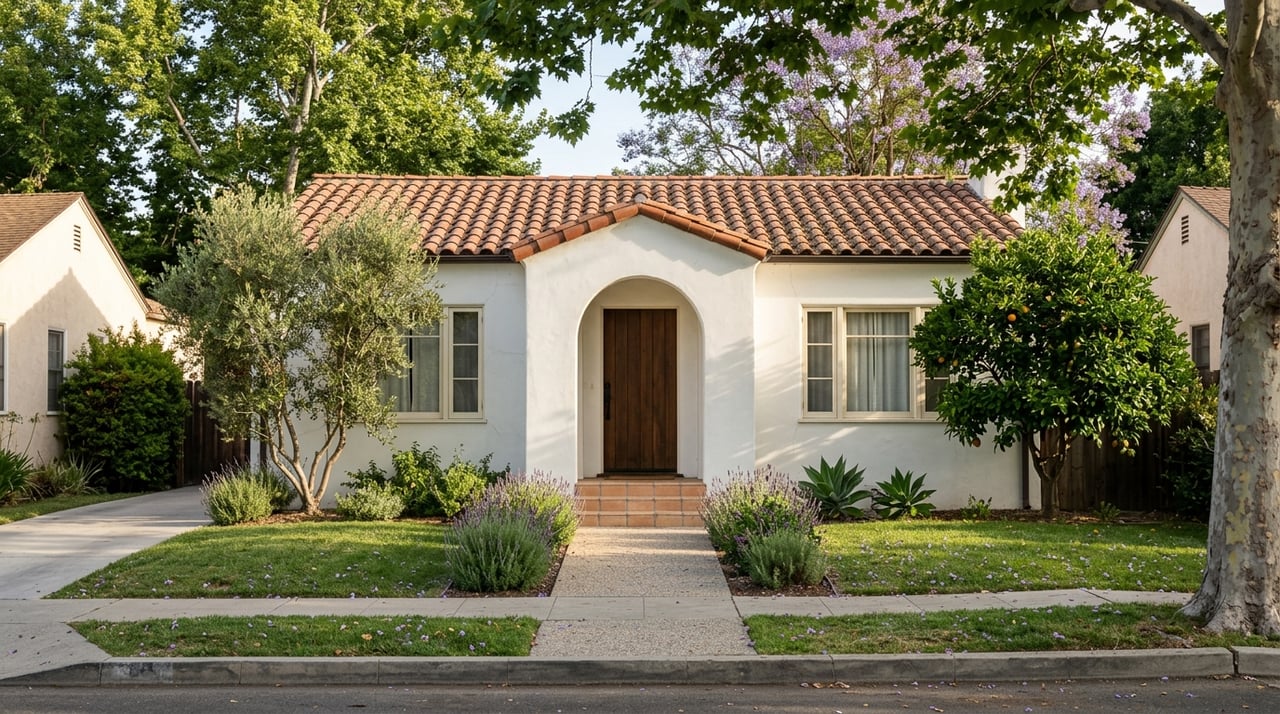
If you are drawn to older homes with real architectural personality, Upland is one of those places that deserves a closer look. From broad, shaded corridors to blocks with early 20th-century houses, the city offers a streetscape that feels intentional rather than generic. If you are trying to picture what makes Upland stand out, this guide will help you understand where its character comes from, what kinds of homes you may find, and what to know before you buy. Let’s dive in.
Why Upland Feels Distinct
Upland’s character starts with its street pattern and public landscape, especially along Euclid Avenue. According to the City of Upland’s historic preservation program, the Chaffey brothers laid out Euclid Avenue as a 200-foot-wide connector between Upland and Ontario, helping shape the city’s early identity.
That historic design still matters today. The city notes that Euclid Avenue includes preserved parkway features, and historic documentation cited by the city describes rows of pepper trees and a scenic corridor meant to protect the avenue’s visual character. In other words, Upland’s tree-lined look is not accidental. It is part of the city’s long-term identity.
Euclid Avenue Sets the Tone
If you want to understand Upland in one drive or walk, start with Euclid Avenue. It is the city’s signature corridor and one of the clearest examples of how landscaping and historic planning can shape the feel of a neighborhood.
The tree canopy is also actively maintained. The city’s tree maintenance program states that Upland maintains public right-of-way trees and specifically schedules pruning for the Euclid Avenue grid. That ongoing care helps explain why the avenue continues to read as a classic, shaded boulevard instead of just an older street with mature trees.
The city also supports that canopy through tree donations and Arbor Day plantings. For buyers, that is a meaningful detail because it shows the community is still investing in the appearance and upkeep of its public landscape.
Character Homes Across Upland
Upland’s older homes span several decades, which gives the housing stock variety. The city’s historic-home records include examples from the 1890s through the 1930s, showing that Upland developed over time rather than in one single building wave.
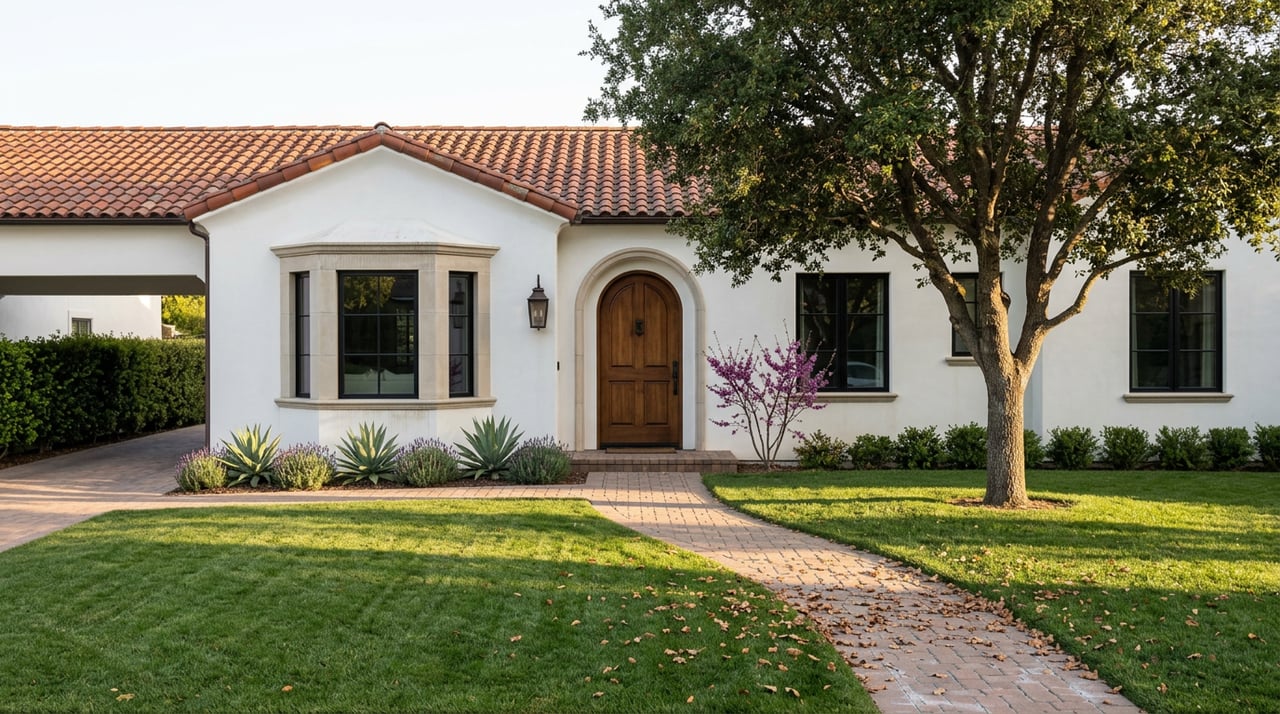
That range matters when you are shopping for a home with personality. Instead of seeing one repeated style, you may come across Queen Anne details on one block, Craftsman influences on the next, and Spanish Revival elements nearby. This mix gives many older Upland streets a layered, collected feel.
Styles You May Notice
Based on city-documented historic homes, some of the most recognizable architectural styles in Upland include:
- Queen Anne
- Craftsman
- Spanish and Spanish Colonial Revival
- Shingle Style
- Mission Revival influences
- Occasional Romanesque Revival elements
The result is a housing stock that feels varied and visually interesting. For a buyer who values original design, that can make home tours in Upland especially rewarding.
Details That Create Character
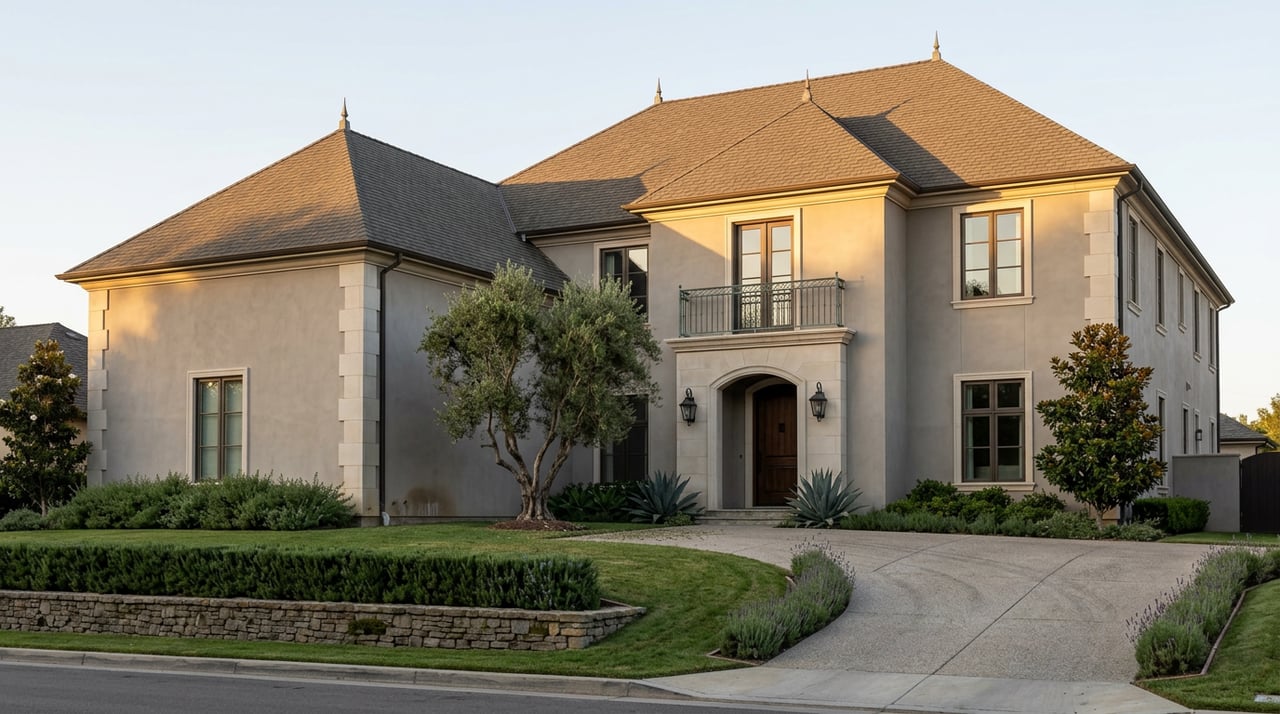
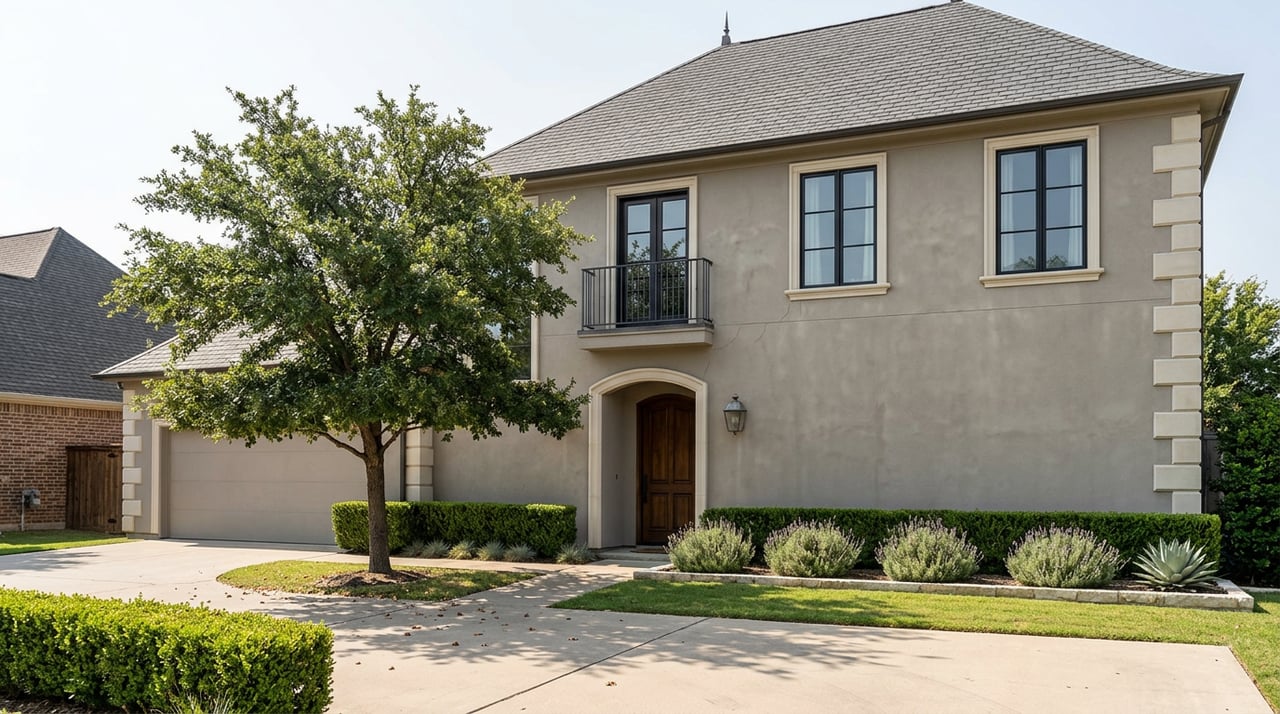
Architecture is not only about style names. It is also about the details you notice up close. City records show older Upland homes may feature cobblestone foundations, stucco exteriors, tiled roofs, exposed rafters, shingled gables, porches, arched entries, and stone accents.
These are the features that often give a house warmth and presence. They can also shape renovation decisions, especially if you want to preserve a home’s original look while updating it for modern living.
Districts That Showcase Historic Upland
While Euclid Avenue is the best-known historic corridor, it is not the only place where Upland’s older residential character shows up. The city says it has nine locally designated historic districts and more than 580 properties on its local register, which reflects a substantial preservation effort.
For buyers interested in character homes, the districts most relevant to explore include the Euclid Avenue District, Arrow/Laurel Bungalow District, Old Magnolia District, Victorian Row District, Pleasant View District, Old Town District, Civic Center East District, Stowell District, and Citrus & Transportation District.
What These Districts Tell You
These districts help you understand that Upland’s historic character is not limited to one postcard view. It extends into multiple residential areas with different development periods and housing types.
That can be helpful if you like older homes but want options. One area may offer a bungalow-heavy feel, while another may reflect late 19th-century roots or early suburban growth. The key takeaway is that Upland’s character is distributed across the city, not confined to a single small pocket.
Historic Charm and Everyday Living
A character home only works if the day-to-day lifestyle fits you too. Upland blends its historic identity with active commercial areas, parks, and community programming, which gives buyers more than just curb appeal to think about.
The city says Historic Downtown Upland includes nearly 200 businesses, and the Upland Farmers Market runs every Saturday from 9:00 a.m. to 2:00 p.m. in the historic downtown area. That kind of recurring activity can add rhythm and convenience to everyday life.
The city also highlights parks, trails, and recreation opportunities, including volunteer trail upkeep. Its Discover Upland brochure also points to Historic Downtown Upland and Route 66/Foothill Boulevard as important parts of local identity. Together, these features connect the city’s residential charm to recognizable gathering places and everyday destinations.
What Buyers Should Know Early
If you are considering an older or potentially historic home in Upland, it helps to ask a few practical questions early in the process. Historic appeal can bring special opportunities, but it can also come with added planning considerations.
The city’s preservation program says some historic properties may qualify for Mills Act tax relief. It also notes that Mills Act contracts run for at least 10 years and that applications are due by September 30 each year.
Remodeling a Historic Property
Before planning major exterior changes, it is smart to confirm whether a property is designated or located in a historic district. The city states that Planning Division staff can help with rehabilitation, additions, and guidance related to Secretary of the Interior standards for historic work.
That does not mean every older home will have the same level of review. It does mean you should understand a property’s status before assuming you can make unrestricted exterior changes. For buyers who appreciate restoration, this can be a strength because it helps protect the character that drew you to the home in the first place.
A Simple Buyer Checklist
If you are touring character homes in Upland, keep this checklist in mind:
- Ask whether the home is on the local historic register
- Check whether it is located in a designated historic district
- Review possible Mills Act eligibility
- Look closely at original materials and architectural details
- Factor in maintenance needs for older construction
- Contact the city early if you are considering exterior updates
Upland by the Numbers
Upland’s housing context also helps explain why the city appeals to buyers looking for established neighborhoods. According to U.S. Census QuickFacts, Upland has an estimated population of 79,684, a 57.1 percent owner-occupied housing rate, a median owner-occupied home value of $739,400, and a median household income of $105,830.
Those figures do not define the full homebuying experience, but they do suggest a city with a substantial homeowner base and a stable suburban profile. For buyers focused on both lifestyle and long-term value, that context can be useful.
Why Upland Appeals to Character-Home Buyers
Upland offers something many buyers are searching for but do not always find easily: older homes with visual personality in a city that still actively supports its historic identity. The combination of tree-lined streets, preserved districts, varied architecture, and active downtown spaces creates a setting that feels rooted and livable.
If you are drawn to homes with craftsmanship, texture, and a sense of story, Upland deserves a place on your shortlist. And if you want guidance on finding opportunities in older housing stock, renovated homes, or value-add properties, Coldwell Banker Icon can help you navigate the local market with a practical, informed approach.
FAQs
Which street best represents Upland’s tree-lined historic character?
- Euclid Avenue is Upland’s signature historic corridor, known for its broad layout, parkways, and long-standing tree-lined design.
Which Upland districts are most associated with character homes?
- The city’s historic preservation program highlights areas such as Euclid Avenue, Arrow/Laurel, Old Magnolia, Victorian Row, Pleasant View, Old Town, Civic Center East, Stowell, and Citrus & Transportation.
Which architectural styles can buyers expect in older Upland homes?
- City-documented examples include Queen Anne, Craftsman, Spanish and Spanish Colonial Revival, Shingle Style, Mission Revival influences, and occasional Romanesque Revival elements.
Are Upland’s street trees actively maintained by the city?
- Yes. The city states that it maintains public right-of-way trees and specifically schedules pruning for the Euclid Avenue grid.
What should buyers know before remodeling a historic home in Upland?
- Buyers should confirm whether the property is designated or within a historic district, review possible Mills Act eligibility, and contact the city early if they are planning exterior changes.