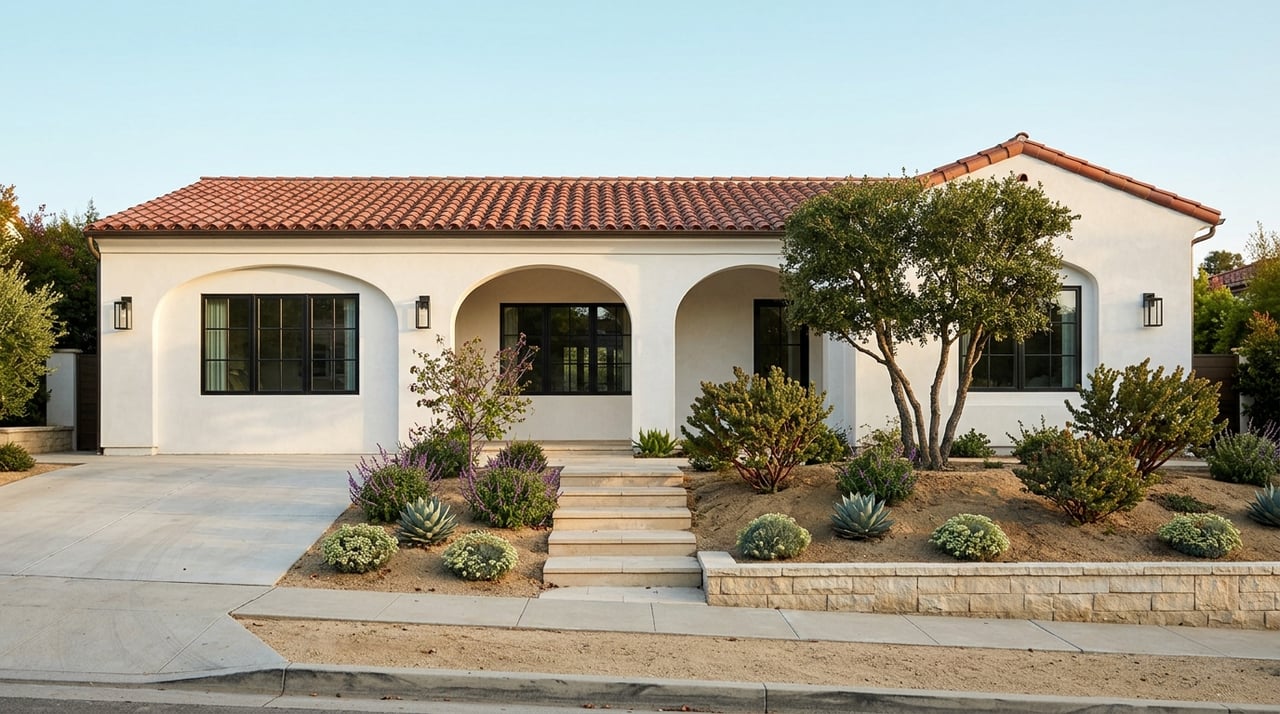
Looking for a place where your daily routine can include trail time, local errands, and a straightforward commute? Glendora stands out for exactly that mix. If you are drawn to older homes, a foothill setting, and a community rhythm that feels practical and grounded, this city offers a lifestyle worth a closer look. Let’s dive in.
Glendora’s Foothill Setting
Glendora sits at the base of the San Gabriel Mountains and covers 19.51 square miles, with a population of about 50,000. That setting shapes more than the view. It helps define the pace of daily life, with outdoor access built into the city’s identity.
The city also connects well to the rest of the region. Glendora is linked by historic Route 66, the I-210 and SR-57 corridors, and the Metro A Line extension. That combination gives you a foothill backdrop without cutting you off from the larger Los Angeles area.
A Daily Rhythm Built Around the Outdoors
One of the clearest parts of everyday life in Glendora is how easy it is to spend time outside. The city maintains about 19 miles of hiking, equestrian, and multi-use trails across 32 trails. These routes are shared by hikers, runners, bicyclists, equestrians, and dog walkers, and they are generally open from sunrise to sunset.
For many residents, that means outdoor time can fit into an ordinary weekday. A morning walk, an afternoon dog outing, or a weekend hike does not have to feel like a special trip. In Glendora, it can simply be part of your routine.
Big Dalton Wilderness Area
Big Dalton Canyon Wilderness Area sits on the northeast side of the city in the foothills of the Angeles National Forest. It spans about 563 acres and includes 14 hiking and multi-use trails. The area also offers trailhead access, a group campground area, a picnic area, day camp facilities, and the Girl Scout Hut.
This gives you more than a quick neighborhood path. It creates room for longer outings, community activities, and repeat visits that can become part of your weekly schedule.
South Hills Wilderness Area
South Hills Wilderness Area is more centrally located within Glendora. You can reach it through South Hills Park on Mauna Loa Avenue or under the 210 Freeway on Bonnie Cove. It covers about 248 acres and includes 15 hiking and multi-use trails.
Because it sits within the city, South Hills adds convenience to the outdoor lifestyle. You do not have to plan an entire day around it. You can often fit a trail visit into the spaces between work, errands, and home life.
Parks Add Flexibility to Everyday Life
Glendora’s park system reinforces its outdoor-centered feel. Current park listings include the Arboretum and Botanic Garden, Big Tree Park, Carlyle E. Linder Equestrian Park, Centennial Heritage Park, Finkbiner Park and Skate Park, Gladstone Park, Louie Pompei Memorial Sports Park, and South Hills Park and Dog Park.
That range matters because not every day calls for a hike. Sometimes you want open space, a sports field, a dog park, or a quiet place to sit outside. In Glendora, the park network gives you several ways to enjoy the same foothill lifestyle.
An Active Outdoor Culture
Glendora’s trail system is not just scenic open space. The Trails Council organizes community hikes, Trails Day events in April and November, and volunteer maintenance efforts. That suggests a city where outdoor recreation is woven into community life.
If you value places where people actively use and care for local amenities, this is an important detail. It points to a practical, lived-in outdoor culture rather than one that exists only on paper.
The Village Shapes the Local Feel
Outdoor access is only part of the story. Glendora also has a historic Village core that gives the city a more neighborhood-oriented feel. The city describes the downtown Village as a place with owner-operated retail stores, while larger shopping areas add a mix of national chains and local shops.
That balance can make daily errands feel more connected to place. Instead of relying only on larger retail centers, you have a downtown area that supports shopping, dining, and services within a more compact setting.
A Mix of Shops and Community Stops
The Village Business Improvement District promotes the Village as a vital, safe, and unique place for services, shopping, dining, and cultural experiences. The city also highlights Glendora Public Market, Glendora Village, Rubel Castle, Glendora Mountain Road, and family-centered community events as part of the local lifestyle mix.
In practical terms, this points to a weekly rhythm built around familiar destinations. You may spend a weekday handling errands in the Village, then return on the weekend for a meal, a market visit, or a local event.
Library and Civic Life Add Texture
Another part of everyday life in Glendora comes from civic spaces and programming. The Glendora Public Library’s calendar includes adult talks, youth STEM activities, English conversation club meetings, and a nature-themed story time at Big Dalton Park.
That range suggests a community with a steady calendar of educational and family-oriented activities. The tone feels more centered on daytime and early evening participation than on late-night entertainment. For many buyers, that kind of rhythm supports a stable and easy-to-navigate routine.
What Homes in Glendora Tend to Look Like
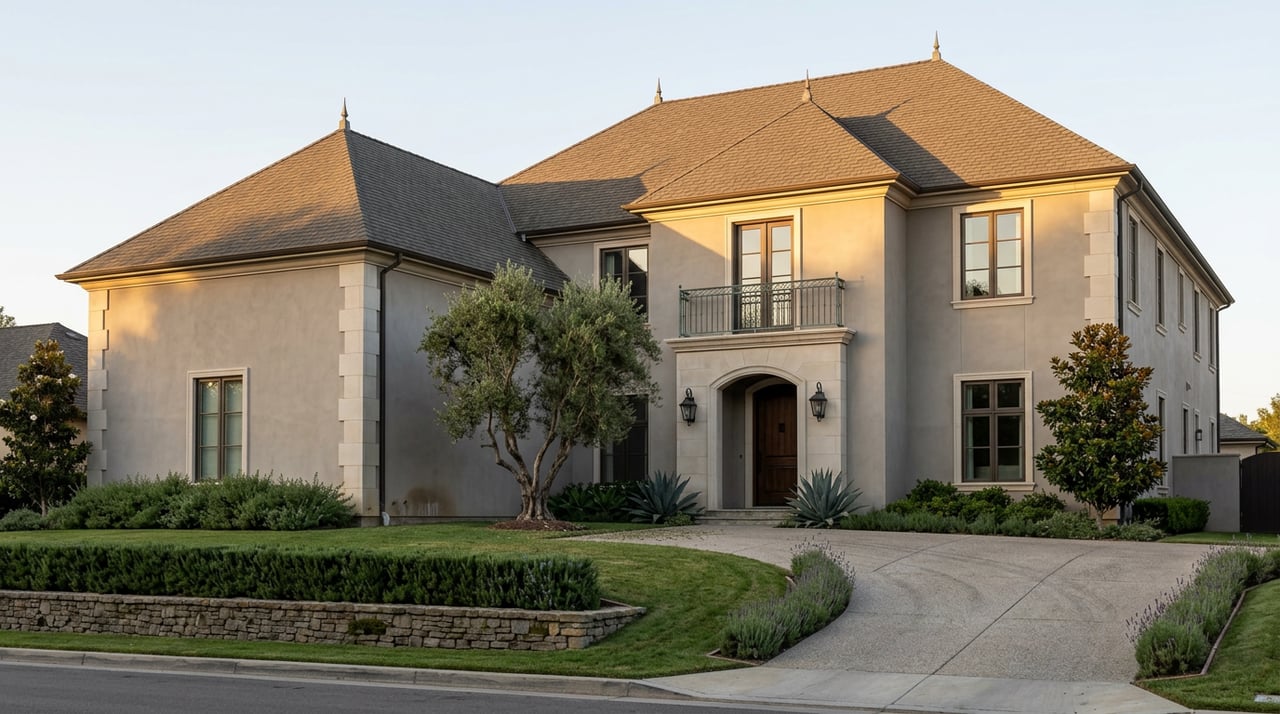
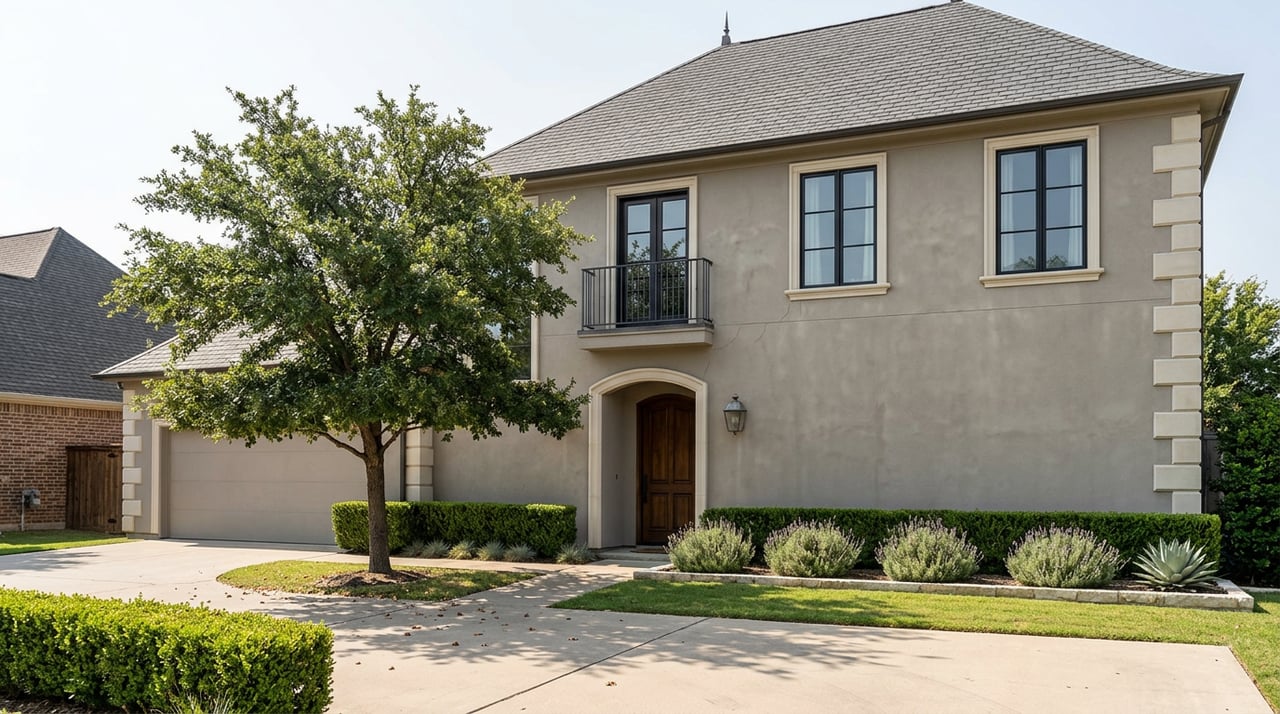
If you are considering a move, Glendora’s housing stock is a key part of its appeal. The city’s housing element says the most common housing type is single-family detached, with 13,306 units. These homes make up about three-quarters of the city’s housing stock.
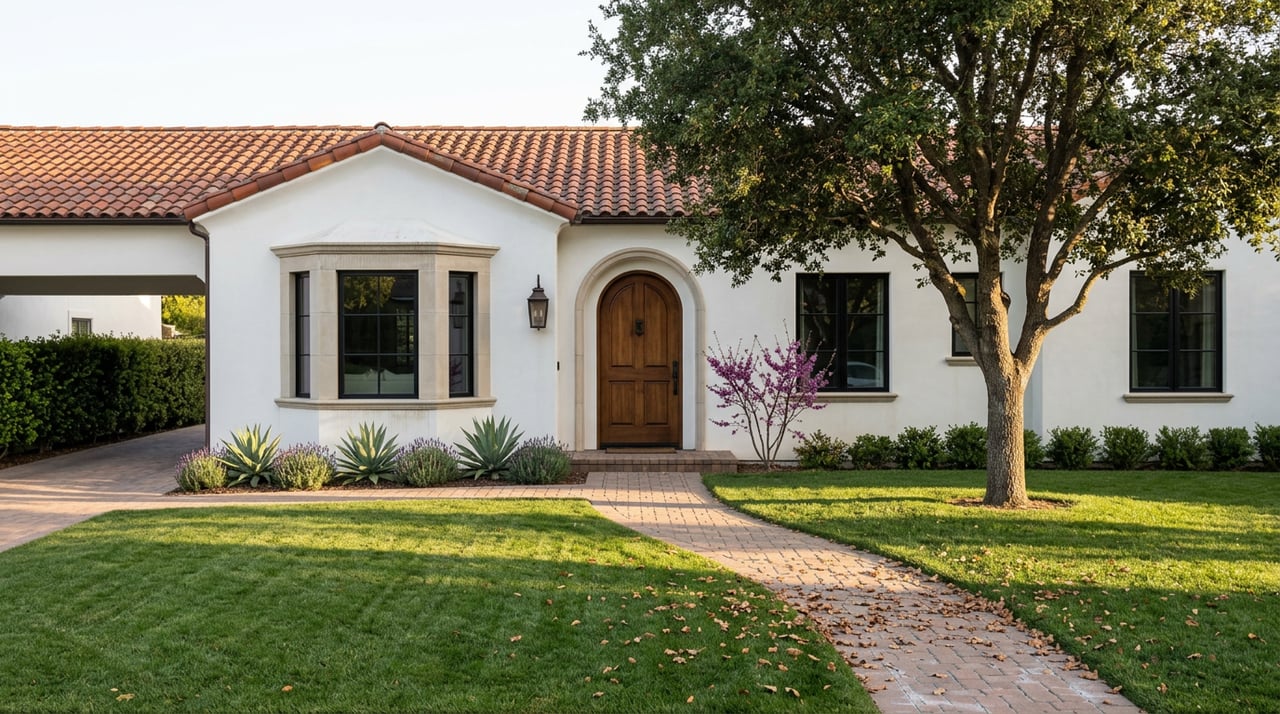
Just as important, much of that housing is older. About 89% of the housing stock is over 30 years old, and 65% is over 50 years old. That helps explain why Glendora is known for older detached homes, bungalows near the Village, and neighborhoods shaped by 1950s- and 1960s-era development.
Why Older Housing Matters
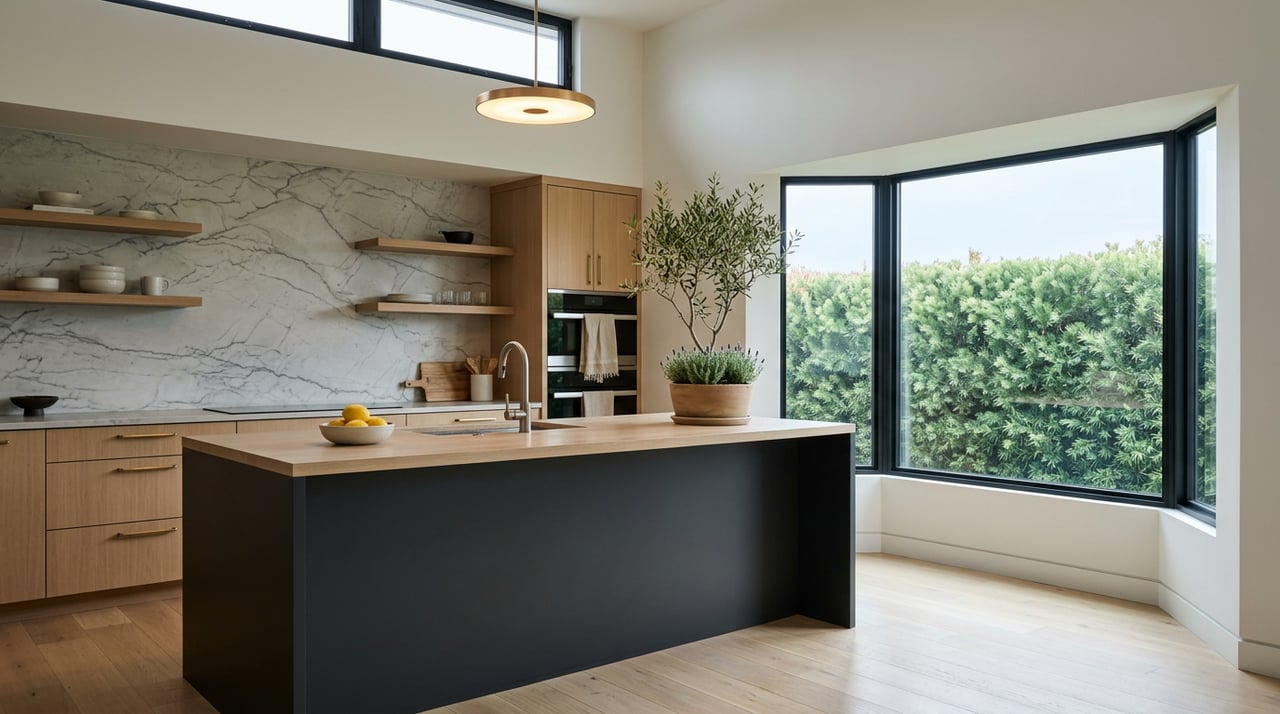
Older housing can offer character, established streetscapes, and opportunities for thoughtful updates. In a city like Glendora, that often means homes with original architectural details, mature surroundings, and renovation potential.
For buyers who appreciate homes with a story, this can be a major plus. It also means you may want to look carefully at condition, upkeep, and the scope of any future improvements. In a market with aging housing stock, local knowledge matters.
Historic District Considerations
Glendora has one designated Historic District near Glendora Village. Properties in that district require extra review for alterations, including a Certificate of Appropriateness. If you are considering a home near the Village, that is worth understanding early.
For some buyers, these rules help preserve the area’s visual character. For others, they may affect remodeling plans. Either way, it is an important part of evaluating a property with confidence.
Commuting From Glendora
Glendora offers regional access that supports its suburban appeal. The city is less than 30 miles from downtown Los Angeles and sits near the 210 and 57 freeways. Census QuickFacts report a mean travel time to work of 33.1 minutes, which supports the idea that commuting is a normal part of life here.
The Metro A Line extension adds another option. According to Metro and the city’s transit information, the Glendora Metro Station at 410 S. Vermont Avenue includes parking, EV charging, bicycle parking, and bus and drop-off areas, along with access to local shuttles, Dial-A-Ride, TAP cards, and Foothill Transit service.
Why Access Shapes Lifestyle
Regional access changes how a city functions day to day. In Glendora, it means you can enjoy a more residential setting while still keeping ties to job centers and surrounding communities. That mix is part of what makes the city appealing to people who want both breathing room and connectivity.
It also means home search decisions may come down to how you balance commute patterns with lifestyle priorities. Some buyers focus on trail access and neighborhood character. Others put a higher value on station access or freeway convenience.
The Cost and Stability Picture
Current Census QuickFacts show an owner-occupied housing unit rate of 67.9%. The median owner-occupied home value is $862,700, median monthly owner costs with a mortgage are $3,195, median gross rent is $2,254, and median household income is $113,569.
These figures support a picture of Glendora as a stable, higher-cost suburban market. If you are comparing foothill communities, it helps to understand that Glendora’s appeal comes with pricing that reflects its location, housing profile, and owner-occupied base.
What Everyday Life Really Feels Like
Taken together, Glendora offers a lifestyle that blends foothill recreation, a compact village core, older detached homes, and practical regional access. The city’s parks, trails, Village, library programming, and commuting options all point in the same direction.
For you, that may translate into mornings on the trail, weekday stops in the Village, regular park time, and a home search focused on older properties with character. If that sounds like the kind of rhythm you want, Glendora has a lot to offer.
If you are exploring homes in foothill communities, it helps to work with a team that understands older housing stock, renovation potential, and the details that can shape long-term value. To start the conversation, connect with Coldwell Banker Icon.
FAQs
What is everyday life like near the foothills in Glendora?
- Everyday life in Glendora often centers on outdoor access, local errands in the Village, park visits, library programming, and commuting through nearby freeway and transit connections.
What outdoor options does Glendora offer for daily use?
- Glendora maintains about 19 miles of hiking, equestrian, and multi-use trails across 32 trails, along with a park system that includes spaces like Big Tree Park, Finkbiner Park and Skate Park, and South Hills Park and Dog Park.
What kinds of homes are common in Glendora?
- The most common housing type in Glendora is single-family detached housing, and much of the city’s housing stock is older, including bungalows and homes built during the 1950s and 1960s.
What should buyers know about older homes in Glendora?
- Because a large share of Glendora’s homes are over 30 or 50 years old, buyers should pay close attention to property condition, maintenance history, and any renovation plans.
What should buyers know about historic homes near Glendora Village?
- Glendora has one designated Historic District near the Village, and homes in that area may require extra review for alterations, including a Certificate of Appropriateness.
How do people commute from Glendora?
- Glendora offers access to the 210 and 57 freeways, and the Glendora Metro Station on the A Line adds another option with parking, EV charging, bicycle parking, and transit connections.
Is Glendora more suburban or urban in feel?
- Glendora reads as more suburban in feel, with a strong single-family housing base, a compact historic Village, and an everyday rhythm built around parks, trails, errands, and regional commuting.