Wondering if a foothill city can balance space, transit access, and a small-town vibe without sending your budget off the rails? La Verne might check more boxes than you expect. You want clear facts on prices, commute options, schools, outdoor access, and trade-offs so you can choose with confidence. This guide gives you a grounded snapshot and a simple decision framework to help you decide if La Verne is a fit. Let’s dive in.
Quick snapshot: what to expect
La Verne is a compact city of roughly 30,000 residents with a strong share of owner-occupied homes and a median household income near $103,761, according to the U.S. Census QuickFacts. The mean travel time to work is about 32.8 minutes, which lines up with typical San Gabriel Valley commuting patterns. You will find a stable single-family base and pockets near downtown that feel more walkable.
On price, it helps to separate two common measures. The Census reports the median value of owner-occupied housing units at about $817,000, which reflects the broader housing stock. Recent market reporting shows the median sale price trending closer to the low $1 million range in early 2026. The first number moves slowly and reflects overall stock. The second moves month to month based on what has sold recently. You can use both to frame expectations and then calibrate with current listings. Source: U.S. Census QuickFacts.
Neighborhoods and homes you’ll see
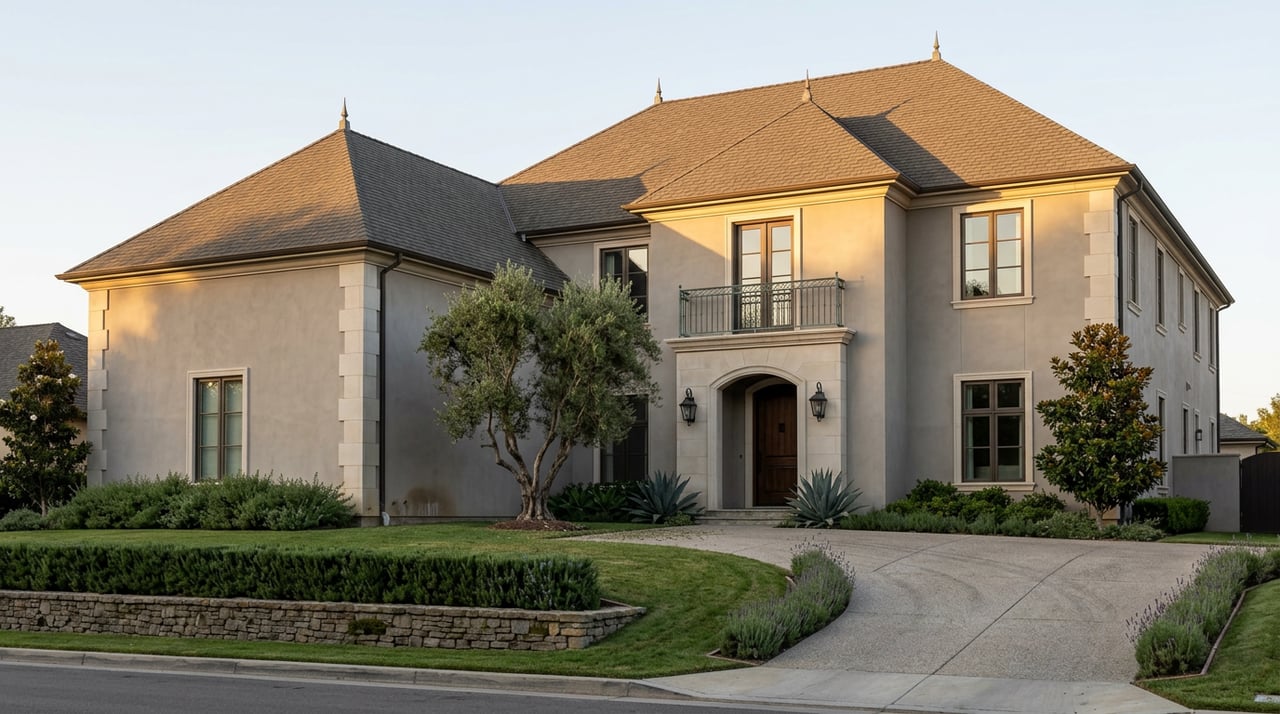
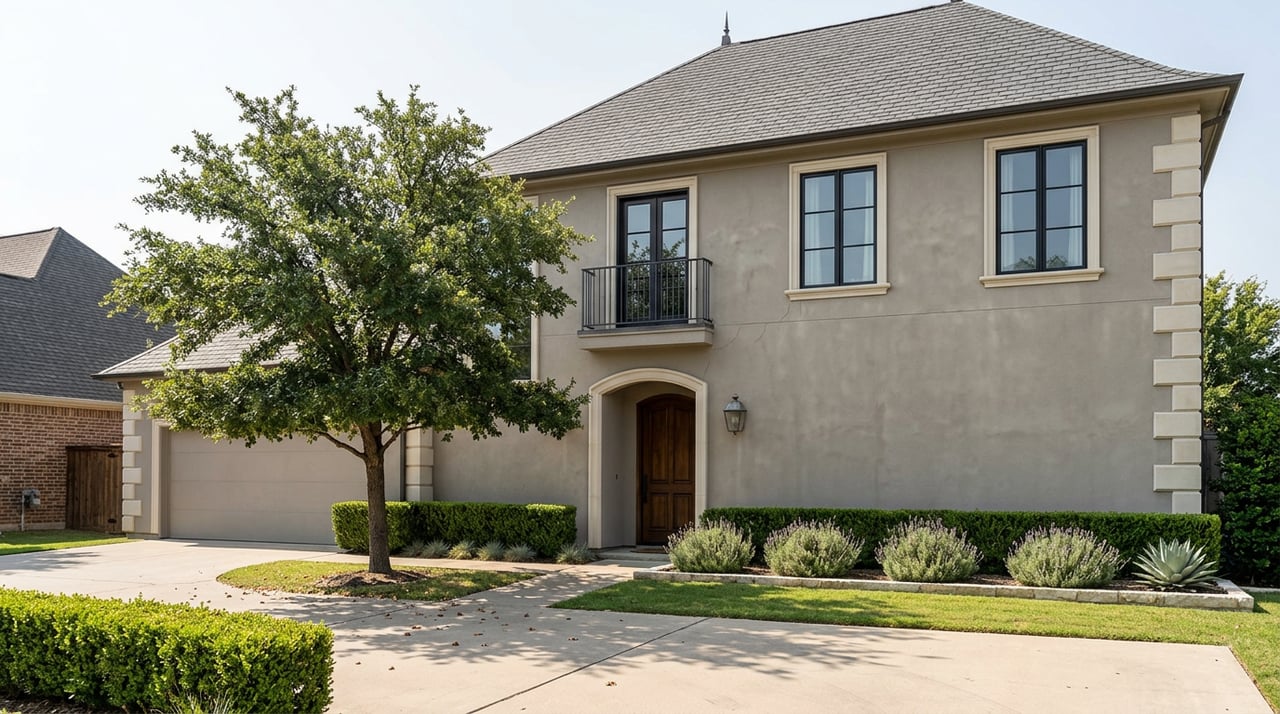
La Verne’s General Plan highlights a city shaped by single-family neighborhoods, with notable differences block to block. Northern foothill areas offer larger lots and views. Areas south of Foothill Boulevard have a more traditional grid and quicker access to shops and services. The city’s planning document also notes distinct neighborhood identities and policies that aim to preserve single-family character. See the General Plan for context.
Downtown and near the University
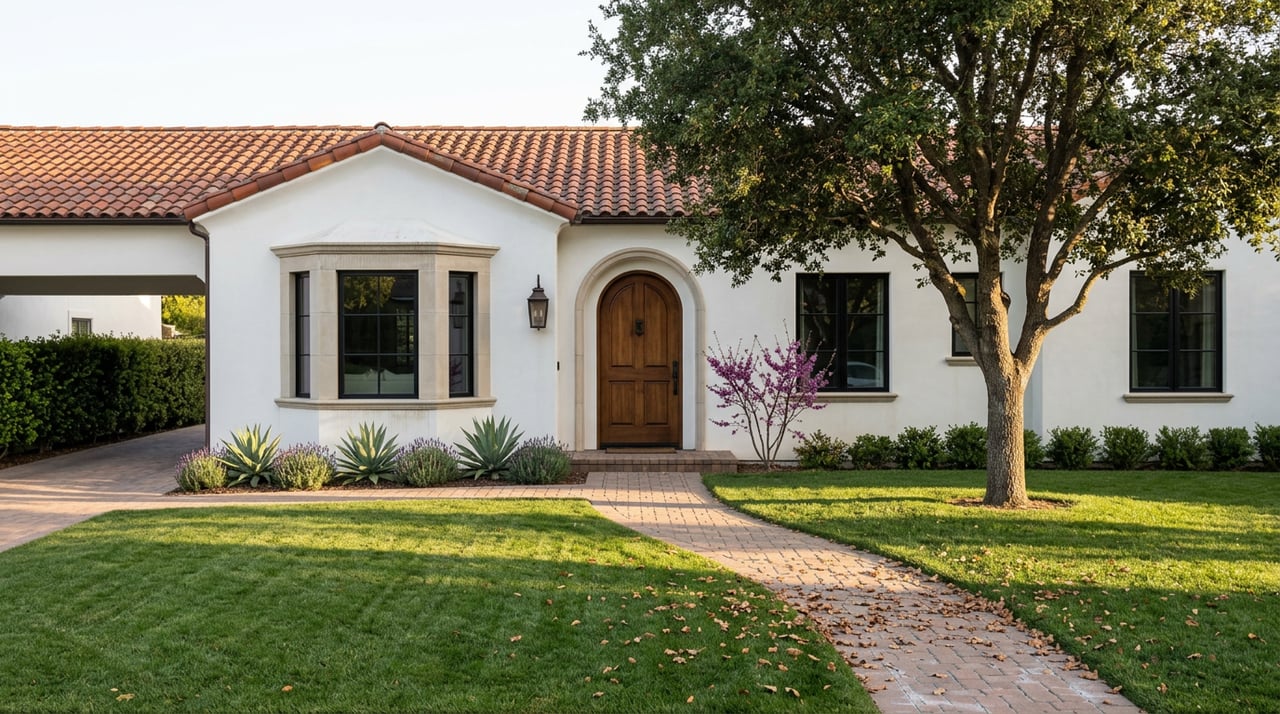
Close to Old Town and the University of La Verne, you’ll find tree-lined streets with early 20th-century cottages, bungalows, and Spanish or California styles. These pockets feel intimate and convenient, with coffee shops and eateries within a short walk. Proximity to campus also supports a steady market for rentals and student-adjacent housing.
Mid-century ranch and updated tracts
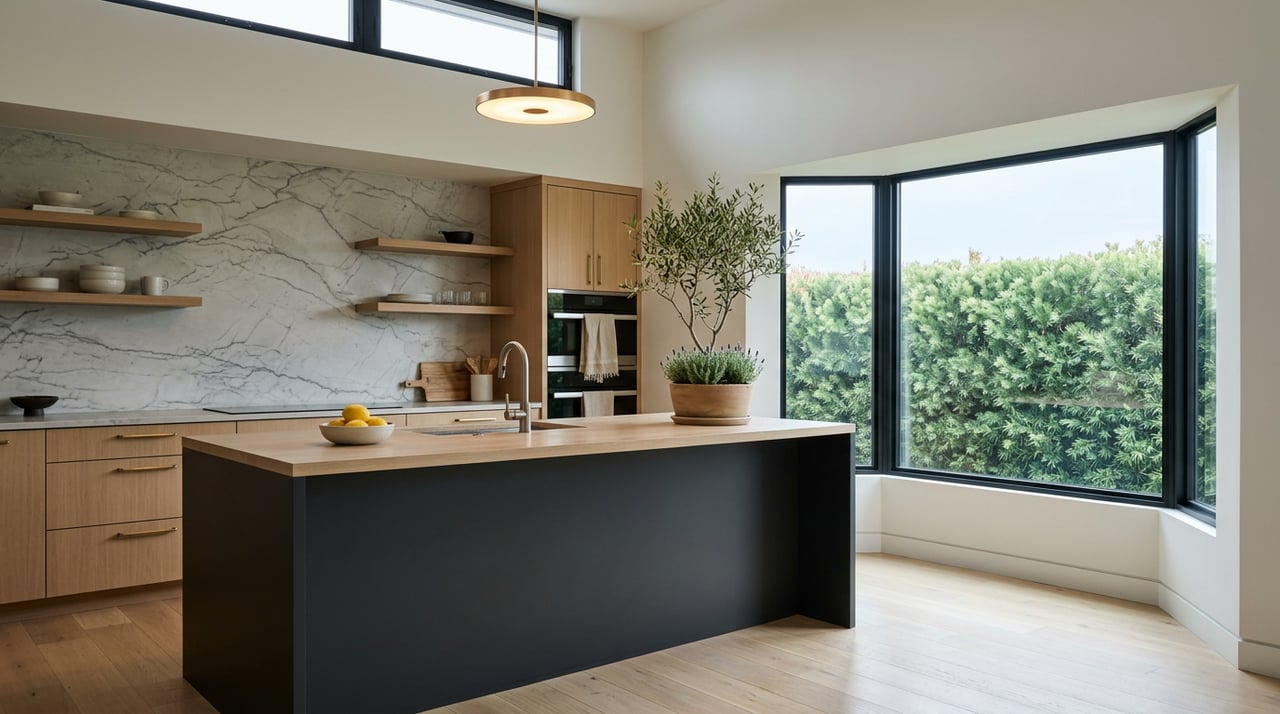
Across much of central La Verne, mid-century ranch homes and later tract builds sit on moderate lot sizes. Many have been updated over time, often with open kitchens, refreshed baths, and outdoor living spaces. These blocks tend to balance price and space, which is a common draw for move-up buyers.
Foothill and hillside living
North of Baseline Avenue and toward the foothills, you’ll see larger homes, view lots, and curving streets. Some hillside properties command higher prices per square foot due to site, views, or custom features. If you value privacy and topography, this is where you will likely focus your search.
Prices and market pace
Heading into 2026, La Verne’s median sale price has hovered around the $1 million mark, with homes often selling in weeks rather than months. Inventory at that price band can be tight, and conditions shift quickly by micro-neighborhood. It is smart to watch live listings and recent closed sales to judge pace and competition. Keep in mind the gap between the Census-reported $817,000 owner-occupied value and current sale medians near $1 million reflects market movement and the mix of homes that sell in any given month. Census QuickFacts provides the baseline figures.
Getting around and your commute
La Verne sits along the I-210, with access to the I-10 and CA-57 corridors nearby. That helps if your job sits along these routes, but drive times vary a lot by time of day. The city’s roadway plan identifies the I-210 as the main regional artery and underscores typical Southern California congestion patterns. Review the Local Roadway Safety Plan for the network picture.
A Line extension: a real transit upgrade
A major shift arrived in September 2025 when Metro opened the A Line (Foothill Gold Line) extension serving Glendora, San Dimas, La Verne, and Pomona. The new La Verne/Fairplex station links you directly to Pasadena, Union Station, and Long Beach on a single line. This can make transit more realistic for some commutes, especially if you can walk, bike, or park-and-ride to the station. Check current frequencies before you plan your routine. Coverage of the A Line extension.
Metrolink connections
For regional rail, many La Verne residents use Pomona–North for Metrolink’s San Bernardino Line, which connects inland job centers and offers a transfer to the Metro A Line. If you split time between downtown Los Angeles and the Inland Empire, this node can broaden your options. Learn about Pomona–North station.
Freeway access and realistic timing
Expect commutes to flex by 10 to 20 minutes depending on departure time and weather. The Census mean travel time of about 32.8 minutes is a useful baseline, but your door-to-door time will depend on proximity to the station or freeway, parking, and last-mile routes. Test your trip at peak and off-peak hours before you commit.
Schools and learning
Most of La Verne is served by the Bonita Unified School District. Elementary and middle schools in La Verne feed into Bonita High School, which is a frequent point of interest for buyers. Always confirm school boundaries for a specific address and review the district’s resources directly. Visit Bonita Unified School District.
La Verne is also home to the University of La Verne, a downtown anchor that adds arts, culture, and events. The campus presence supports local cafes and eateries and keeps nearby blocks active during the academic year. Explore the University of La Verne.
Parks, events, and weekend fun
Outdoor time is easy to find. Frank G. Bonelli Regional Park and Puddingstone Reservoir sit just to the south, with trails, boating, and picnic areas. Many La Verne residents see this as a core lifestyle perk, especially for quick after-work walks or weekend rides. If you want a flavor of the regional vibe, check community features tied to the area’s foothill open space. Local event overviews touch on Bonelli’s draw.
Just west, the Fairplex in Pomona hosts the LA County Fair, expos, concerts, and automotive events. With the La Verne/Fairplex A Line station nearby, you can often skip parking and ride rail to bigger gatherings. See what’s on at Fairplex.
Safety and environmental checks
As with any city, crime rates vary by neighborhood and change over time. Public data sources indicate that property crime appears in parts of La Verne, while overall violent-crime levels are lower by comparison. Review neighborhood-level crime maps and official police updates before you choose a block. Start with this city overview and then cross-check with local sources.
Many foothill parcels in the region carry some level of wildfire exposure, and the San Gabriel Valley has seen an increase in extreme heat days. When you evaluate a property, consider defensible space, hardening, insurance availability and cost, cooling efficiency, and potential power resiliency upgrades. Ask your agent to review local hazard disclosures and any recent brush clearance notices.
La Verne vs nearby foothill cities
- Claremont: A classic college town with a very walkable village core and a strong arts and higher-ed presence. Pricing often runs at or slightly above La Verne, with buyers trading a bit more for the village feel and academic setting.
- Glendora: Similar foothill character with an active downtown and traditional suburban blocks. Prices can be close to La Verne, varying by ZIP and neighborhood.
- San Dimas: Shares quick access to Bonelli Regional Park. Some micro-markets have historically undercut La Verne on price, though differences shift month to month. The A Line station adds demand to certain areas.
- Broader options: Parts of Pomona can offer more entry-level choices and more rental inventory. Upland and Walnut each have distinct profiles. If you are comparing across these, prioritize school-district boundaries, commute route, and lot or home size.
Is La Verne a fit? A quick guide
Use this checklist as you weigh trade-offs:
- You want single-family homes, foothill views, and a city with a strong local public-school reputation. La Verne scores well on those points. Confirm the specific school boundary for any address through Bonita Unified.
- You rely on transit. The 2025 A Line extension made rail more viable for some commutes. Test your full trip, including walk, wait, and transfers, to compare against driving. Get context on the extension.
- You are budget-sensitive. Inventory around $1 million can be competitive. If you need a lower entry price, compare specific pockets in nearby cities and watch for updated or value-add homes that expand your options.
- You want clarity on risk. Review neighborhood-level crime data and property-specific wildfire and heat exposure. Ask about insurance, defensible space, and any recent mitigation work before you make an offer.
Next steps
If La Verne sits on your shortlist, walk a few neighborhoods at different times of day, ride the A Line from the La Verne/Fairplex station, and compare door-to-door commutes. Cross-check school boundaries, scan recent sales, and review hazard disclosures early so you can move quickly when the right home hits the market.
If you want a data-led, no-pressure consult about where La Verne fits against Claremont, Glendora, and San Dimas, connect with Coldwell Banker Icon to plan your next move.
FAQs
What does a typical La Verne home cost in 2026?
- Recent reporting places the median sale price near the low $1 million range, while the Census shows an owner-occupied median value around $817,000, reflecting longer-term stock.
How has the A Line changed La Verne commutes?
- The 2025 Metro A Line extension added direct rail to Pasadena, Union Station, and Long Beach from the La Verne/Fairplex station, making transit a realistic option for some riders.
Which school district serves La Verne addresses?
- Most La Verne homes fall within Bonita Unified School District; always confirm the exact boundary for your target property with the district.
Is wildfire exposure a concern near the foothills?
- Many foothill parcels carry some wildfire risk; evaluate defensible space, hardening, and insurance options for each property before you buy.
How safe is La Verne compared with nearby cities?
- Crime patterns vary by block; review neighborhood-level data and police updates rather than relying on a citywide average when evaluating a home.