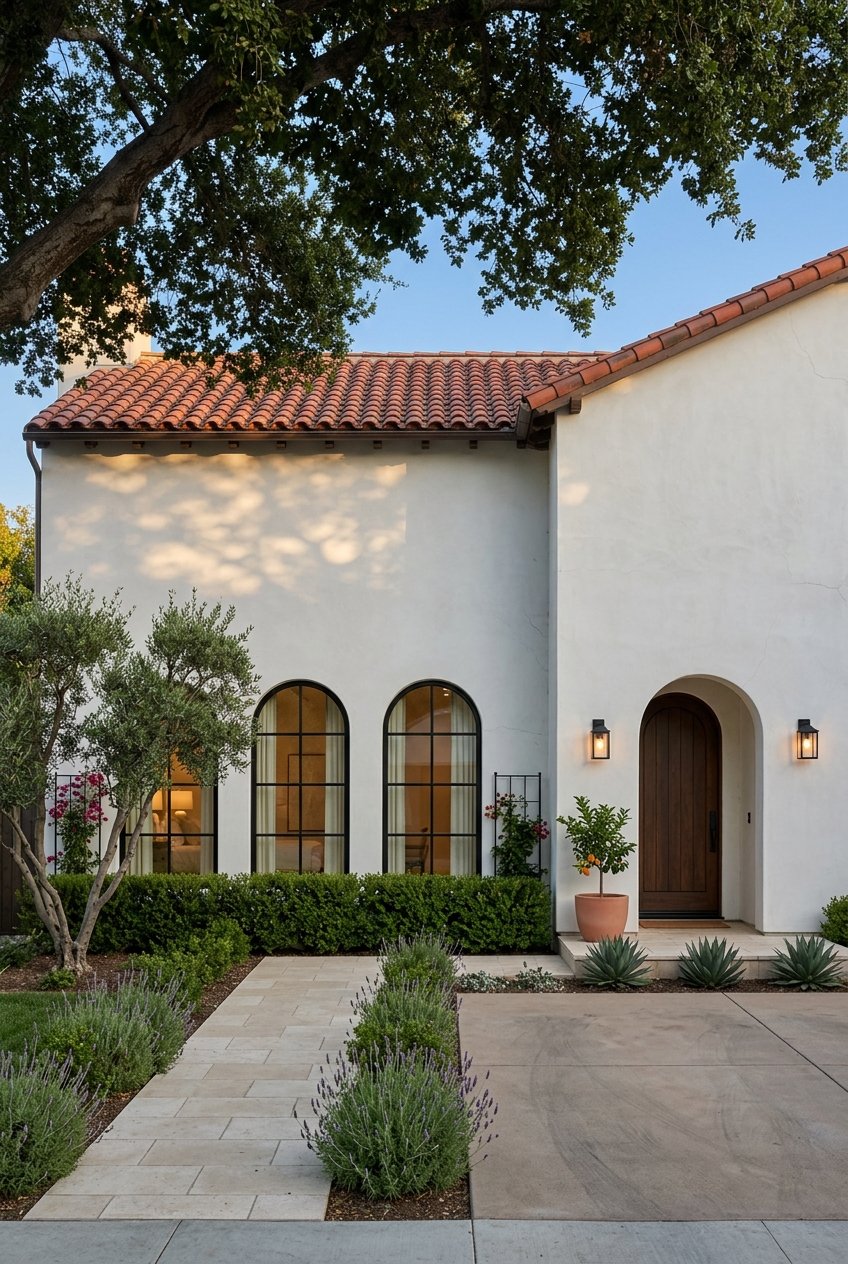
If you are drawn to older homes, you know the appeal goes beyond square footage. It is the porch that invites you to slow down, the mature trees that frame the street, and the details that give a home a story. In Claremont, that sense of character is part of daily life, and understanding it can help you make a smarter move. Let’s take a closer look at what it means to live with character in Claremont’s classic homes.
Why Claremont Feels Distinct
Claremont’s character is shaped by more than its homes alone. City planning materials point to street trees, parks, carefully maintained private homes, and the historic Village as defining features of the city. That means when you buy into Claremont’s classic housing stock, you are also buying into a setting that has been intentionally preserved.
The city is known for stately single-family homes, many with historical significance. Its preservation program now covers 30 unique neighborhoods, with rules designed to protect historic homes and neighborhood identity. For you as a buyer, that can translate into a stronger sense of continuity from one block to the next.
Classic Home Styles in Claremont
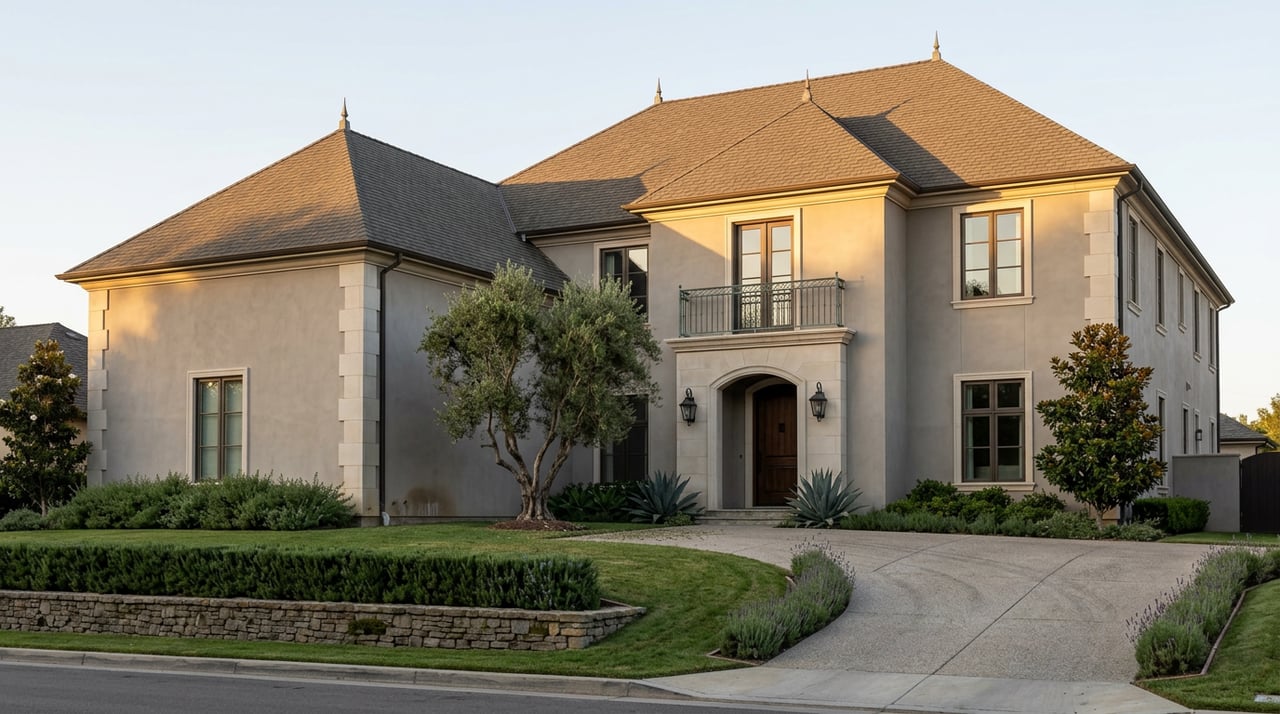
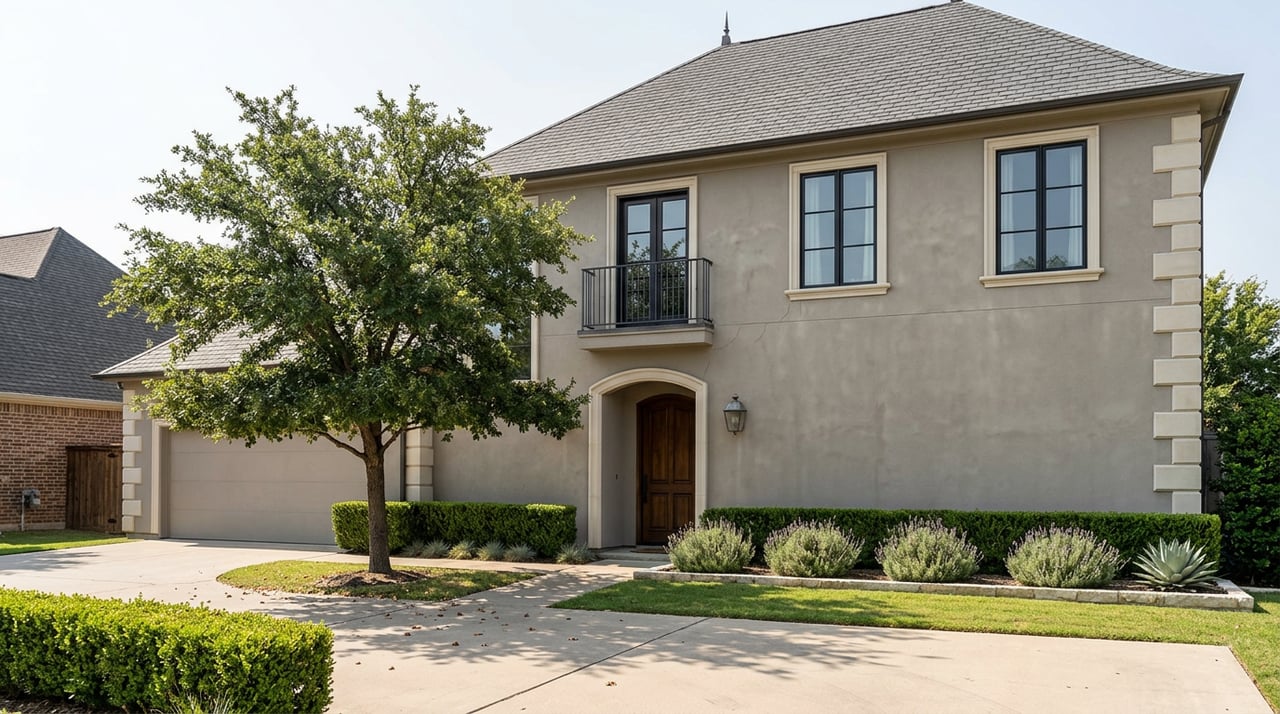
Claremont’s older homes are not all one look. According to Claremont Heritage, the city’s housing stock includes Queen Anne Victorian, New England Colonial Revival, Southern Colonial, Spanish Colonial Revival, bungalow, and later modernist and ranch-era forms. That layered mix gives the city visual depth and makes house hunting here feel more personal.
Bungalows and Everyday Warmth
If you love homes that feel approachable and lived-in, Claremont’s bungalow tradition may stand out to you. These homes often bring porches, broad roofs, and a more intimate street presence. They tend to support the kind of daily living where front yards, sidewalks, and neighborhood rhythm all feel connected.
Spanish Colonial Revival Influence
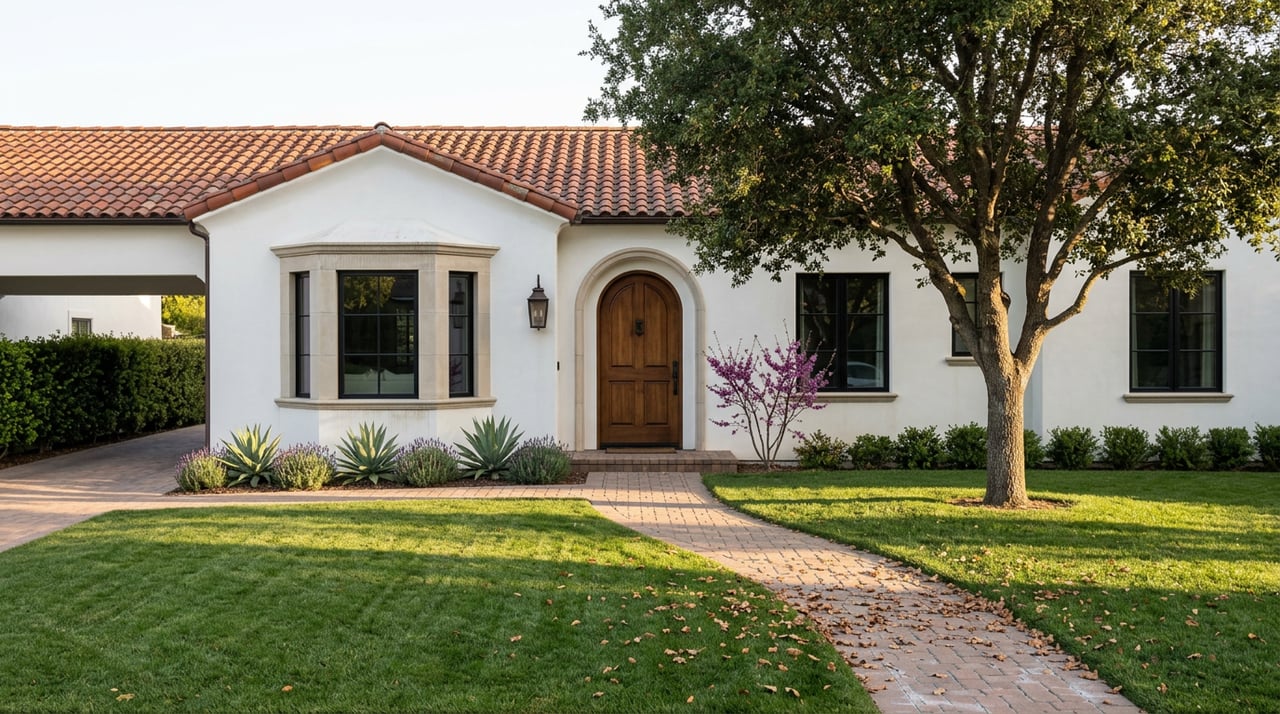
Spanish Colonial Revival is especially visible in Claremont. Local landmarks like the Santa Fe Depot on First Street, the Garner House in Memorial Park, and the Scripps College campus reflect that influence. If you appreciate stucco exteriors, arches, and a style that feels tied to Southern California history, you will likely notice this character throughout the city.
A Mix That Rewards Careful Search
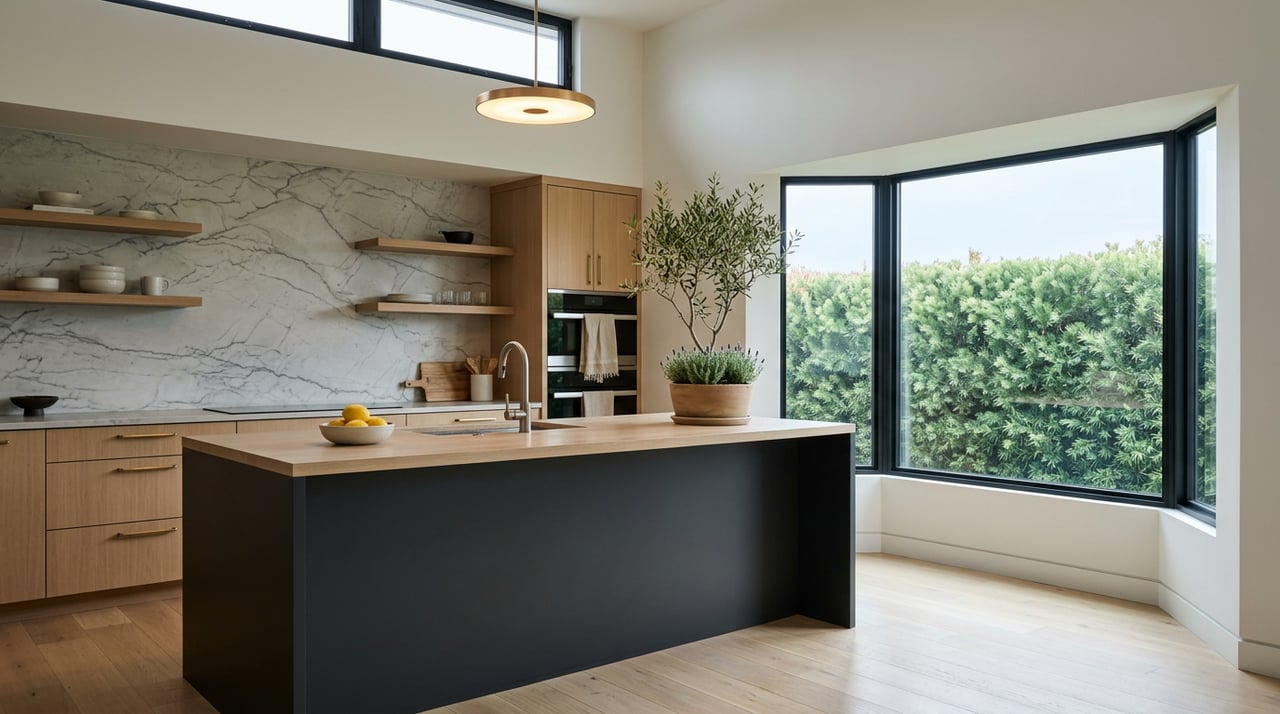
Because Claremont includes several architectural eras, your search can be more nuanced than simply choosing between old and new. You may find a home with preserved period details, or you may find an older property that has been thoughtfully updated for modern living. For buyers who value design, this variety is part of the draw.
What “Character” Means Day to Day
A character home is not just about curb appeal. In Claremont, it often means living in a place where the home and the surrounding environment support a certain pace and texture of life. Mature trees, walkable streets, and established public spaces all play a role.
The city says its community forest is a high priority, with more than 25,500 city-owned trees, many of them over 100 years old. Those trees shape the skyline and streetscape in ways that newer communities often cannot replicate. For you, that may mean a daily routine that feels more shaded, more scenic, and more connected to place.
The Village as an Extension of Home
One of the biggest lifestyle advantages of Claremont’s classic neighborhoods is their relationship to the Village. The Village is the city’s central business district and one of its most established public gathering places. Design guidelines emphasize preserving its intimate, walkable, pedestrian character.
That matters if you want your home life to extend beyond your front door. In Claremont, a classic home can come with easy access to coffee runs, errands, public events, and casual walks through a historic downtown setting. The experience feels tied together rather than spread out.
Walkability and Practical Access
Downtown convenience is supported by practical infrastructure. The city offers three-hour parking in six Village lots, two-hour on-street parking near storefronts, and all-day parking in several public lots, including the Metrolink lot. That makes the Village easier to use regularly, whether you are stopping in for a short errand or spending more time there.
The Claremont Metrolink Station is also located at the Historic Depot on First Street. Because rail access sits within the same walkable core, transit is part of the downtown fabric rather than an isolated feature. For buyers who value commuter options, that can be a meaningful part of the location’s appeal.
A Routine Shaped by Events and Public Life
Claremont’s classic setting is not frozen in time. It stays active through recurring events that bring people into the city’s core. That helps older neighborhoods feel lived-in and connected to the present.
The Claremont Farmers & Artisans Market takes place every Sunday on Harvard Avenue in the Village. The Claremont Village Art Walk is held on the first Saturday of each month, and the annual Village Venture Arts & Crafts Festival brings a larger street-festival atmosphere into the historic downtown. If you are picturing life in a classic home here, these kinds of routines are part of the package.
College-Town Energy Adds Another Layer
Claremont also benefits from the presence of The Claremont Colleges, a seven-institution consortium made up of five undergraduate colleges and two graduate institutions on contiguous campuses. Their presence contributes to the city’s identity in a way that feels cultural and public-facing, not purely academic.
Many campus events are open to the public, with venues including Bridges Auditorium, Bridges Hall of Music, Benton Museum of Art, Garrison Theater, and the Athenaeum. Bridges Hall of Music traditionally hosts nearly 45 concerts each year, many of them free. For you, that can mean access to music, art, and events that enrich daily life close to home.
The city’s history materials say the colleges are among the nation’s most respected educational and cultural institutions and note that Claremont’s historic central core remains a vital residential and retail district. That mix helps explain why the city feels different from a standard suburb. It carries a college-town rhythm while still feeling grounded in its residential neighborhoods.
Outdoor Living Matters Here
If you are considering a classic home, it helps to look beyond the property line. Claremont supports outdoor living through both neighborhood parks and larger recreation areas. That broadens the lifestyle value of older homes in established areas.
Memorial Park is the city’s primary community park, a 7.2-acre site that includes the historic Garner House and recurring events such as Fourth of July celebrations and Summer Concerts in the Park. The Claremont Hills Wilderness Park adds another dimension, covering more than 2,000 acres with more than 20 miles of trails, including the 5-mile Claremont Loop. If your idea of home includes both architecture and access to open space, Claremont offers both.
The city is also developing an Active Transportation Plan aimed at making Claremont more walkable, bikeable, and transit-oriented. That reinforces the idea that classic homes here are part of a broader environment designed around movement, access, and quality of life.
What to Understand About Preservation
If you are serious about buying a classic home in Claremont, preservation is worth understanding early. The local Register is the city’s official list of designated historic resources, and listed properties are subject to demolition-delay procedures. In some neighborhoods, preservation rules are also designed to protect the broader identity of the area.
This does not mean every older home comes with the same requirements. It does mean you should pay attention to whether a property is designated or located within an area covered by preservation rules. Knowing that upfront can help you better evaluate future plans, updates, and long-term stewardship.
Why Character Homes Need a Sharp Eye
Older homes can be rewarding, but they also benefit from informed evaluation. In a market like Claremont, buyers are often balancing emotional appeal with practical questions about condition, updates, and how a home’s original character has been handled over time.
That is especially important when you are considering homes that may have been restored, renovated, or repositioned for today’s market. A well-prepared character home should respect what makes the property special while also supporting how you want to live now. The goal is not to erase the home’s story. It is to help that story function well in everyday life.
Finding the Right Fit in Claremont
Living with character in Claremont means more than owning an older home. It means living among preserved streetscapes, mature trees, a walkable Village, public arts, and outdoor spaces that all support a distinct local rhythm. For many buyers, that combination is what makes Claremont feel lasting.
If you are exploring classic homes, it helps to work with professionals who understand both the visual appeal and the practical realities of older housing stock. From thoughtful updates to market-ready presentation, experience matters when character is part of the value. To learn more about homes and opportunities in this market, connect with Coldwell Banker Icon.
FAQs
What makes classic homes in Claremont stand out?
- Classic homes in Claremont stand out for their varied architectural styles, mature tree-lined surroundings, and connection to a preserved city setting that includes historic neighborhoods and the Village.
What architectural styles can you find in Claremont classic homes?
- Claremont includes Queen Anne Victorian, New England Colonial Revival, Southern Colonial, Spanish Colonial Revival, bungalow, modernist, and ranch-era home styles.
What is the Claremont Village like for daily living?
- The Village is a walkable central business district with shops, public events, parking options, and access to the Claremont Metrolink Station within the city’s historic core.
What should buyers know about historic preservation in Claremont?
- Buyers should know that Claremont’s preservation program covers 30 unique neighborhoods, and properties listed on the local Register are subject to demolition-delay procedures.
What outdoor amenities support life in Claremont?
- Claremont offers neighborhood and community spaces like Memorial Park, plus larger recreation access through Claremont Hills Wilderness Park and its trail network, including the Claremont Loop.