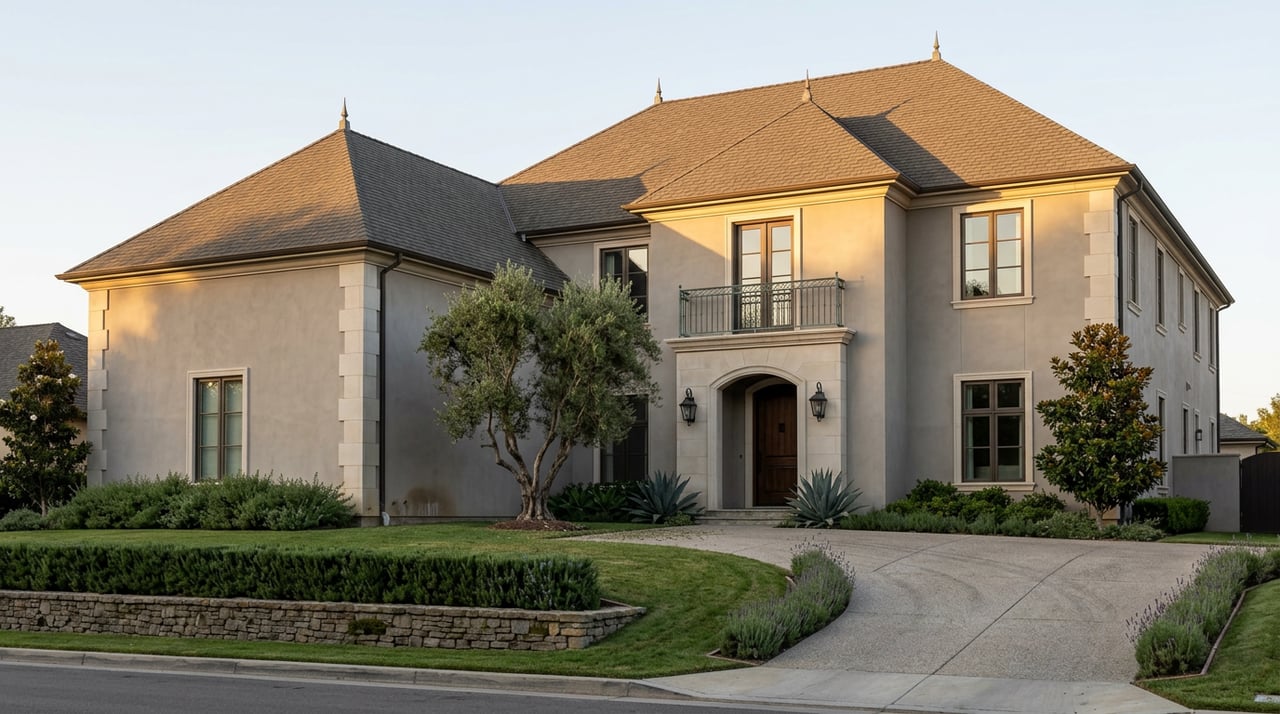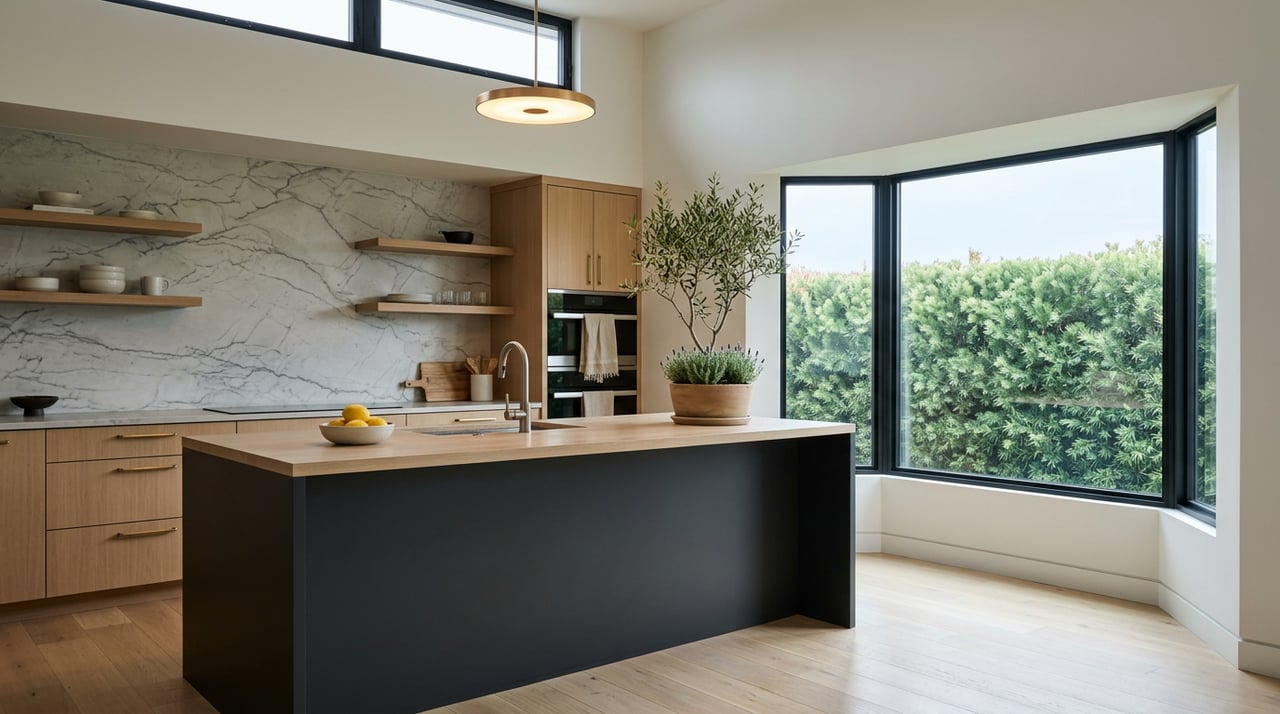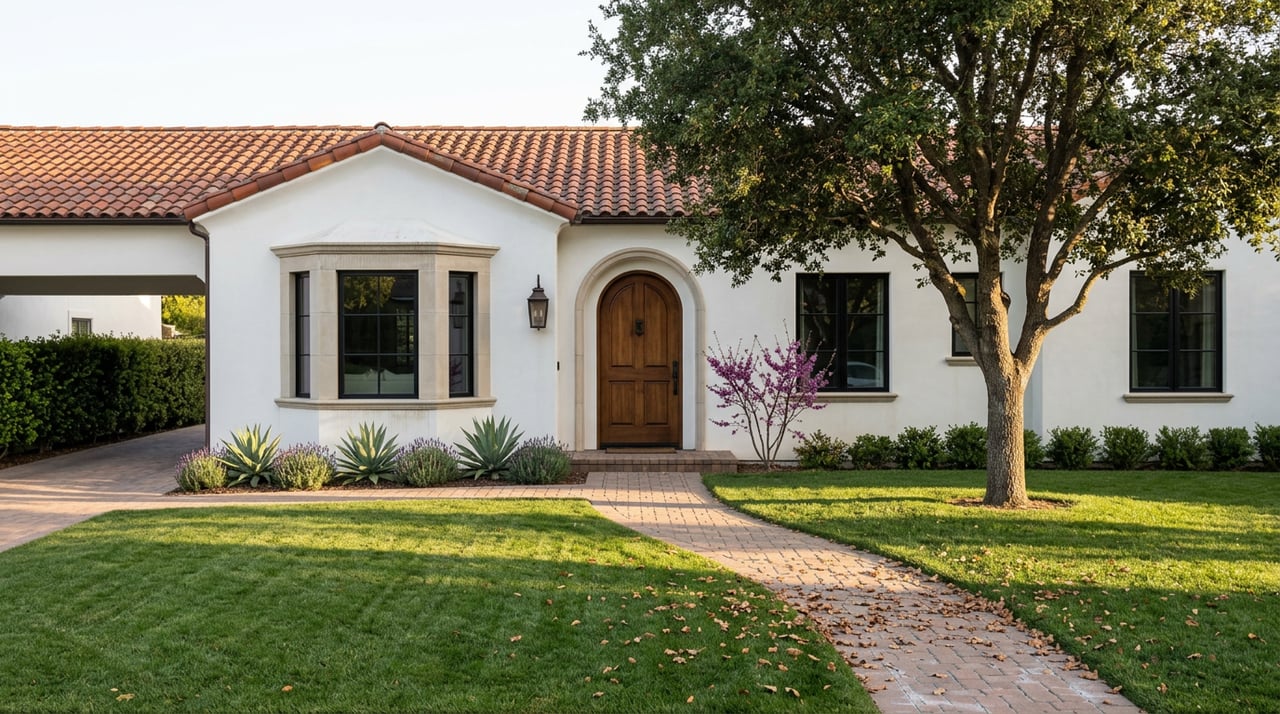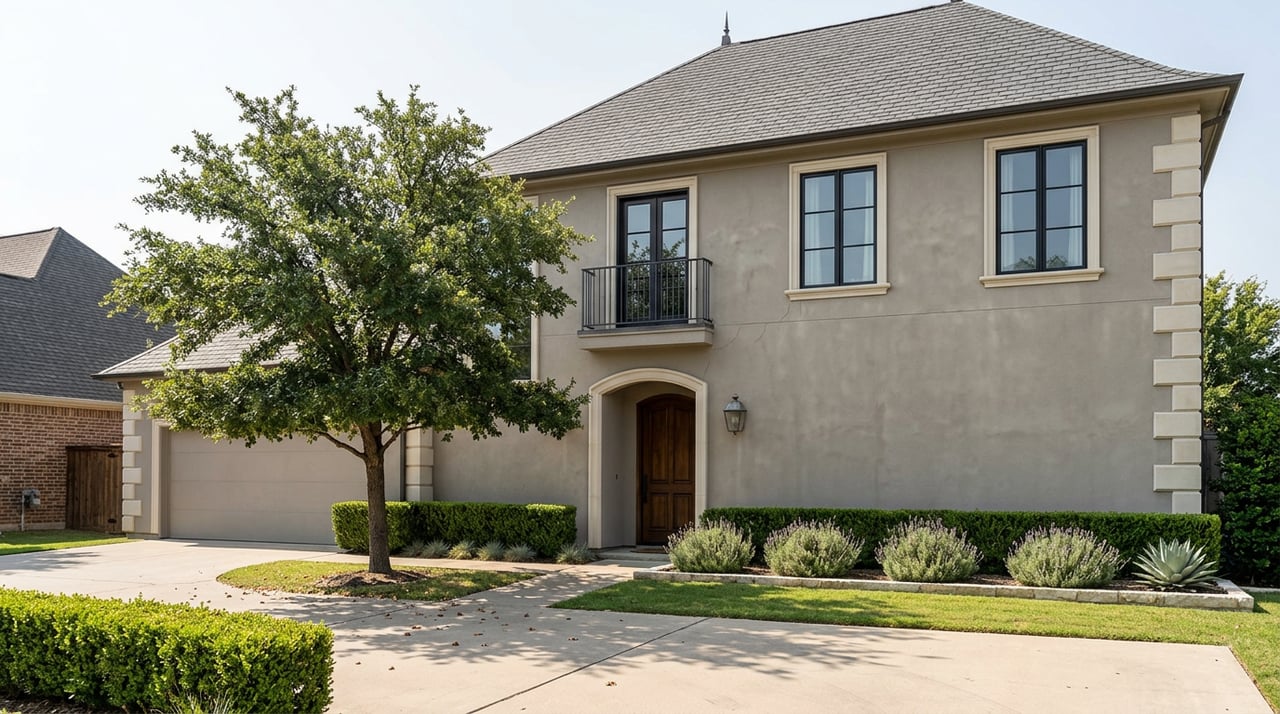
If your Upland home needs work, you may be asking the big question every seller wrestles with: should you list it as-is, or put money into it first? That choice can affect your timeline, stress level, and final net proceeds, especially in a market where buyers still notice condition and compare value carefully. The good news is that you do not always need a full remodel to make a smart move. Let’s break down how to weigh your options in Upland.
Why This Decision Matters in Upland
Upland sits in a market where pricing is relatively tight, with recent data showing typical sale and listing prices clustering from the high $700,000s into the low $800,000s. Recent reports also show homes selling close to asking price, with one source placing homes at about 99% of list and another showing median days on market at 42, while Zillow reported 19 days to pending. That tells you two things at once: buyers are active, but they are still paying attention to presentation and value.
For sellers with a fixer, that creates a practical choice. If your home shows well and needs only limited updates, modest improvements may help it compete better. If the property has larger unknowns or a long repair list, selling as-is may protect your time and budget.
Sell As-Is vs Renovate First
When selling as-is may make more sense
Selling as-is is often the cleaner path when your home has uncertain system issues, major deferred maintenance, or a renovation scope that could grow once work begins. It can also make sense if your timeline matters more than squeezing out every possible dollar.
In Upland, this path is especially worth considering when the likely bump in resale value may not outweigh renovation costs, holding costs, and selling expenses. If you are facing possible electrical, plumbing, roof, foundation, or permit-related concerns, keeping the process simple can reduce risk.
When renovating first may be worth it
Renovating before listing tends to make more sense when the home is mostly dated rather than deeply distressed. If the work is visible, limited in scope, and easy for buyers to appreciate right away, it may improve how the home is received once it hits the market.
That matters in a market like Upland, where buyers can be price-sensitive even when demand is steady. A home that feels clean, cared for, and move-in ready can create stronger first impressions and help buyers feel more confident.
Start With the Right Information
Before you choose a path, get clarity on the home’s actual condition. A pre-listing inspection can help separate cosmetic items from larger problems and can give you a better sense of what may need repair or replacement.
Inspection findings are useful because they help you avoid guessing. Instead of making a decision based on surface appearance alone, you can compare real repair needs against likely market response and expected net proceeds.
The Best Pre-Listing Updates for Upland Sellers
For resale, recent Southern California cost-versus-value data point to a simple truth: smaller, visible projects often perform better than major remodels. Buyers notice curb appeal, entry condition, and kitchens faster than they reward complex, high-cost projects.
If you are thinking about renovating before you sell, focus on updates that improve first impressions without overbuilding for the neighborhood.
Upgrades with stronger resale potential
These projects posted stronger recent cost recoupment in the Los Angeles and Pacific benchmarks:
- Garage door replacement
- Steel entry door replacement
- Exterior facade refresh
- Manufactured stone veneer
- Fiber-cement siding
- Minor kitchen remodel
These are appealing because they are visible and relatively contained. They can help your home feel fresher and more market-ready without pushing you into a long renovation cycle.
Projects with mixed resale value
Some updates can still help, but the return is less predictable:
- Midrange bathroom remodel
- Vinyl window replacement
These may be worth considering if they solve a clear buyer objection. Still, they usually require closer budgeting and a realistic look at what nearby comparable homes support.
Projects that often miss the mark
Large additions and highly customized remodels usually deliver weaker returns for immediate resale. They cost more, take longer, and may not align with nearby sales.
If your goal is to sell, this is usually not the time to build your dream layout or choose highly personal finishes. In most cases, practical and broad-appeal improvements are the safer bet.
Upland Permit Rules Can Change the Math
In Upland, many pre-listing improvements are not just cosmetic. The city requires a building permit before most construction, and the permit process is handled online through its Citizen Self Service portal.
That matters because projects such as kitchen remodels, bathroom remodels, electrical panel upgrades, and room additions may require permits and inspections. Upland also notes that inspection requests must be received before 4 p.m. for next-day inspection, and inspections are performed Monday through Thursday.
If you are working on a tight listing timeline, permit steps can affect scheduling more than you expect. A project that looks simple on paper can take longer once applications, contractor coordination, and inspections are added.
Historic Homes Need Extra Caution
Upland has a notable preservation layer, with 9 locally designated historic districts and more than 580 properties on its local historic register. If your property is historic or located in a historic district, exterior changes may require a Certificate of Appropriateness.
The city’s preservation guidance also emphasizes repairing rather than replacing original materials when possible. That can influence both your renovation budget and your timeline, especially if you were planning to make quick exterior updates before listing.
For some historic properties, the better move may be a more selective prep strategy rather than a broad makeover. Thoughtful planning matters here.
Contractor Rules Every California Seller Should Know
If you decide to renovate first, the contractor agreement matters as much as the work itself. In California, home improvement projects over $500 require a written contract.
That contract should clearly spell out the scope of work, materials, timing, permits, payment terms, and change orders. The state also advises hiring only licensed contractors for work valued at $500 or more, and the down payment cannot exceed 10% of the project price or $1,000, whichever is less.
These rules are important because pre-sale projects can move fast, and rushed decisions often create cost overruns. A tight, written plan helps you stay in control.
A Simple Decision Framework for Your Upland Home
If you are still unsure which path makes sense, use this straightforward framework.
Sell as-is if:
- You need to move quickly
- The home may have major system issues
- Repair costs are uncertain
- Permit or historic review could delay work
- The likely value increase looks smaller than your total renovation and holding costs
Renovate first if:
- The home is mostly dated cosmetically
- The work is short in duration and clearly scoped
- The updates are highly visible to buyers
- You can target stronger resale categories like exterior improvements or a minor kitchen refresh
- Your local comparable sales support a higher finished price
This is usually where the real answer lives. It is less about whether your home needs work and more about whether the right work will improve your outcome.
Focus on Net Proceeds, Not Just Sale Price
A renovation-first strategy can produce a higher sale price, but that does not automatically mean more money in your pocket. You also have to account for contractor costs, carrying costs, permit timing, and the risk of scope creep.
On the other hand, an as-is sale may bring a lower headline price while still delivering a better overall result if it saves you months of work and surprise expenses. The smartest comparison is not list price versus list price. It is net proceeds under both scenarios.
How a Local, Renovation-Savvy Team Helps
This is where local market knowledge and renovation experience become especially valuable. In a city like Upland, the best pre-sale plan often comes down to knowing which repairs are essential, which upgrades buyers will notice, and which projects are likely to slow you down.
A practical review of your home should combine three things: inspection findings, contractor bids, and a local comp analysis. When you look at all three together, you can make a more confident decision about whether to sell your fixer as-is or improve it first.
If you are weighing both paths, the right guidance can help you avoid overspending, preserve the home’s character, and choose the strategy that fits your timing and goals. To talk through your options with a team that understands renovation, presentation, and resale strategy in the Inland Empire, connect with Coldwell Banker Icon.
FAQs
Should you renovate a fixer before selling in Upland?
- It depends on the home’s condition, your timeline, and whether a small group of visible updates is likely to improve your net proceeds more than the cost of the work.
What home updates add the most resale value in Upland?
- Recent Southern California data suggest that visible, modest projects like a garage door replacement, steel entry door replacement, exterior refresh, and minor kitchen remodel often offer stronger resale value than major remodels.
Do you need permits for pre-listing renovations in Upland?
- Yes, many projects do require permits. The City of Upland requires a building permit before most construction, and common updates like kitchen remodels, bathroom remodels, panel upgrades, and additions may fall into that category.
What if your Upland home is in a historic district?
- If the property is historic or in a historic district, exterior modifications may require a Certificate of Appropriateness, and preservation-oriented standards can affect both timeline and scope.
Is selling as-is a bad idea in the Upland market?
- Not necessarily. Selling as-is can be a smart move when repair needs are unclear, timing is important, or renovation costs may eat into any expected resale gain.
How do you decide between selling as-is and renovating first?
- The most useful approach is to compare inspection findings, contractor bids, and a local comp analysis so you can estimate net proceeds under both options.