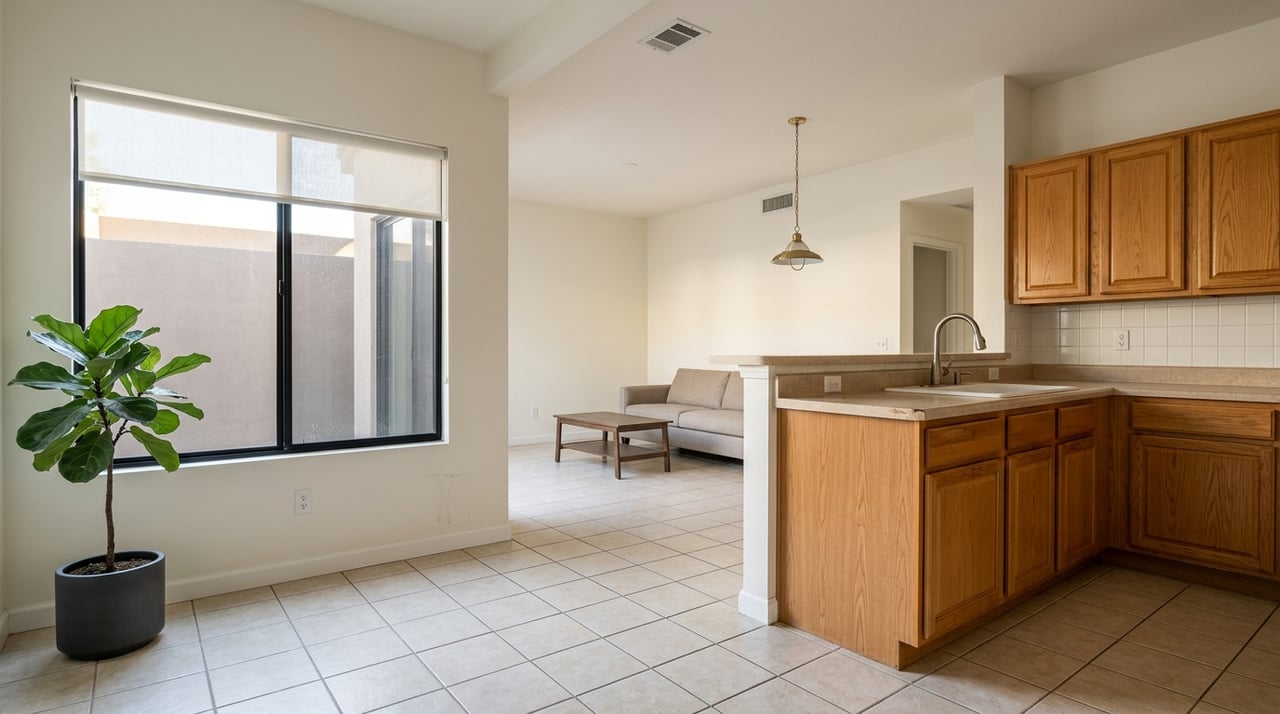
If you are hunting for a fixer with upside in Rancho Cucamonga, you already know the challenge: this is not a low-cost market where every rough property is a deal. With median sale prices around $750,000 and a median list price near $799,000, the margin for error can shrink fast. The good news is that the right value-add opportunity still exists if you know what to look for, what to avoid, and how to match the property to the right resale path. Let’s dive in.
Why Rancho Cucamonga demands discipline
Rancho Cucamonga is a largely owner-occupied market, with 62.3% of housing units owner occupied. Census data also shows a median owner-occupied home value of $740,200, median gross rent of $2,357, and median monthly owner cost with a mortgage of $2,947.
That matters because value-add opportunities here usually need to appeal to buyers who plan to live in the home, not just chase the lowest price. In practical terms, layout, finish quality, curb appeal, and overall presentation can have a major effect on resale interest.
The market also appears relatively stable. Census data shows 89.8% of people lived in the same house one year ago, and median household income is $111,895. In a market like this, buyers often compare homes carefully and expect a renovated property to feel complete, clean, and worth the premium.
What value-add inventory looks like locally
Rancho Cucamonga has enough aging housing stock to create regular renovation opportunities, but it is not dominated by very old homes. The city’s housing element says nearly 60% of units were built before 1990, with the largest groups built from 1980 to 1989 and 1960 to 1979.
That age range creates a sweet spot for value-add buyers. Many homes may have dated kitchens, baths, flooring, windows, or floor plans, even if the structure itself still works well for today’s market.
The city also notes an important distinction: homes older than 30 years often need minor repairs and modernization, while homes older than 50 years may need more significant systems work. At the same time, age alone does not tell the whole story.
An older city housing survey found that 65% of homes in selected neighborhoods were in relatively good condition. Another 18% needed minor maintenance, 13% needed moderate maintenance, and only 2% needed substantial maintenance. That is a strong reminder that the best opportunity is often not the oldest house, but the one where the condition and asking price are out of sync.
Look beyond the word “fixer”
Current listing snapshots show only a small pool of obvious fixer-upper and foreclosure inventory in Rancho Cucamonga. Redfin snapshots referenced in the research report show 7 fixer-upper homes and 2 foreclosures, while Realtor.com shows 1 foreclosing home.
That thin pipeline means you may need to think more broadly than bank-owned or heavily distressed listings. Some of the best value-add opportunities can be homes sold as-is, condos needing cosmetic work, houses with incomplete updates, or properties where unpermitted improvements create extra complexity.
In other words, a strong opportunity may not look dramatic at first glance. It may simply be a house with tired finishes, deferred maintenance, or a scope of work that scares off less prepared buyers.
Focus on the spread, not just the purchase price
In an expensive market, buying below the neighborhood average is not enough. You need enough room between acquisition cost, renovation cost, carrying cost, and likely resale value to make the project worthwhile.
That is especially true in Rancho Cucamonga, where current neighborhood-level median prices vary widely. Recent portal snapshots place Southwest Rancho Cucamonga around $595,000, Terra Vista around $668,000, Shady Trails around $620,000, West End around $749,000, Victoria around $779,900, Southeast Rancho Cucamonga around $948,944, Etiwanda around $1.13 million, and North Etiwanda around $1.39 million.
The takeaway is simple: the same renovation budget will not perform the same way in every part of the city. A modest cosmetic update may be enough in one submarket, while a higher-end finish package may be needed in another to meet buyer expectations.
Features that can improve resale potential
Some property traits can strengthen your exit strategy even before the renovation begins. Current listing examples in the research report point to several features that help homes stand out locally.
Look closely at:
- Single-story layouts
- Cul-de-sac locations
- Mountain views
- Larger lots
- Pools
- Garage parking
- No-HOA or lower-constraint settings
These features can help support stronger resale appeal. They do not erase renovation needs, but they can give you more flexibility when deciding how far to push the rehab scope.
Renovations that tend to matter most
When you are evaluating a value-add property, it helps to separate visible improvements from expensive behind-the-walls work. The research report points to a practical local strategy: favor clean, visible upgrades first, then take on larger systems work only when the pricing spread justifies it.
According to the 2025 Remodeling Impact Report cited in the research, kitchen upgrades, new roofing, and bathroom renovations remain in strong demand. Agents also frequently recommend whole-home interior painting, painting a single room, and roofing work before listing.
For Rancho Cucamonga, that suggests many buyers respond well to improvements they can quickly see and understand, such as:
- Fresh interior paint
- Updated kitchens
- Refreshed bathrooms
- New or improved roofing
- Cleaner flooring and lighting
- Better curb appeal and presentation
This does not mean systems work is unimportant. It means you should be careful about over-improving a property when the resale ceiling in that pocket of the market does not support a major budget.
Watch for hidden cost triggers
A value-add deal can go sideways when the cosmetic project turns into a permit-heavy correction job. In Rancho Cucamonga, the city requires electronic plan submittals through its Online Permit Center, and the Building and Safety Department handles plan review for residential construction, additions, and remodeling.
That matters most when a property has room additions, garage conversions, unfinished work, or signs of unpermitted changes. If you suspect the home has past work that was not completed properly, your timeline and budget may need much more cushion.
The city also has a Construction and Demolition Diversion Program for certain demolition and remodeling debris. Some projects are exempt, including single-family homes of four units or fewer, projects under $100,000, roofing projects without tear-off, and standalone plumbing, electrical, or mechanical permits.
Even so, deeper rehabs and demo-heavy projects deserve extra attention. Before you commit, make sure you understand whether you are buying a cosmetic update, a systems rehab, or a compliance problem disguised as a bargain.
Think carefully about holding costs
Holding a property in Rancho Cucamonga can be expensive, especially if your original plan changes mid-project. Census data in the research report shows median monthly owner cost with a mortgage at $2,947, compared with median gross rent of $2,357.
That gap is a good reminder that long holds require conservative planning. Taxes, insurance, HOA dues, maintenance, and unexpected repair costs can eat into your margin faster than many buyers expect.
If you are considering a buy-and-hold angle instead of a faster resale, make sure the numbers still work with realistic reserves. In this market, a strong basis and a clear plan matter more than optimistic assumptions.
How to spot the stronger opportunity
Not every rough property is a value-add deal. In Rancho Cucamonga, the better opportunities often share a few key traits.
Look for homes that offer:
- A purchase price that reflects the real scope of work
- A layout that still fits current buyer preferences
- A location or lot feature that supports resale appeal
- Mostly cosmetic needs rather than major structural unknowns
- Enough neighborhood price support for the finished product
Be more cautious when you see:
- Unclear permit history
- Incomplete additions or conversions
- Extensive deferred maintenance plus an aggressive asking price
- A renovation budget that pushes you near the top of the local price range
- Thin margins that leave no room for delays or surprises
Why local execution matters
In a market with limited distressed inventory and meaningful price variation by submarket, local knowledge can make a real difference. The strongest outcomes usually come from matching the property to the right renovation scope, understanding what buyers in that pocket expect, and avoiding upgrades that do not improve resale enough to justify their cost.
That is where a practical, design-aware approach matters. A well-executed renovation should not just be newer. It should feel finished, functional, and in line with what buyers in Rancho Cucamonga are willing to pay for.
If you are evaluating a fixer, foreclosure, or as-is home in Rancho Cucamonga, the goal is not simply to find a property that needs work. The goal is to find one where the work creates clear value.
When you approach the deal with discipline, realistic budgets, and a sharp eye for location-specific resale potential, value-add opportunities can still stand out in this market. If you want experienced guidance on identifying, evaluating, and remarketing distressed or renovation-ready homes, connect with Coldwell Banker Icon.
FAQs
What makes a value-add home in Rancho Cucamonga worth considering?
- A strong candidate usually has a realistic asking price, manageable renovation needs, and enough resale support in its submarket to justify the work.
How common are fixer-upper and foreclosure listings in Rancho Cucamonga?
- They appear limited right now. The research report cites snapshot counts of 7 fixer-upper homes and 1 to 2 foreclosure-related listings, depending on the portal and timing.
What home ages are most common in Rancho Cucamonga?
- Nearly 60% of housing units were built before 1990, with large groups built between 1960 and 1989, which creates regular opportunities for modernization.
What renovations tend to matter most for Rancho Cucamonga resale?
- The research supports a focus on visible improvements such as paint, kitchen updates, bathroom refreshes, and roofing, with larger systems work evaluated carefully against likely resale value.
What permit issues should buyers watch for in Rancho Cucamonga remodels?
- Buyers should pay close attention to additions, remodels, and other prior work that may require city review, especially if the property shows signs of unfinished or unpermitted improvements.
Is Rancho Cucamonga a market for long-term holds or faster resale?
- It can be either, but the research suggests holding costs are relatively high compared with local rents, so long-term plans should be underwritten conservatively.