Wondering what daily life in Rancho Cucamonga really feels like right now? If you are comparing Inland Empire cities, looking for a place with strong commuter access, or simply trying to picture your routine here, it helps to look past the map and into how the city actually functions. Rancho Cucamonga offers a mix of established neighborhoods, major shopping hubs, outdoor space, and regional connections that shape everyday living. Let’s dive in.
Rancho Cucamonga at a Glance
Rancho Cucamonga is a city in San Bernardino County with an estimated 177,856 residents as of July 1, 2025. It covers 40.11 square miles and sits about 40 miles east of Los Angeles, with the San Gabriel Mountains creating a strong visual backdrop.
In practical terms, the city feels less like a single downtown and more like a connected network of activity centers. City planning materials describe a place built to offer a wide range of housing, recreation, arts and culture, entertainment, and employment opportunities that are well-connected and accessible.
There is also a sense of stability in the housing base. Census figures show that 62.3% of homes are owner-occupied, 89.8% of residents lived in the same house one year ago, and the average household size is 2.93.
Everyday Life Feels Convenient
One of the biggest lifestyle strengths in Rancho Cucamonga is convenience. You do not have to drive far to reach shopping, dining, entertainment, parks, or key commuter routes, and that shapes how easy the city feels on a day-to-day basis.
Rather than relying on one central district, the city has several major hubs that serve different needs. That gives many parts of Rancho Cucamonga a practical, built-in rhythm where errands, dinner plans, and recreation can often fit into the same part of town.
Victoria Gardens Anchors the City
Victoria Gardens is the city’s signature retail destination and one of the clearest markers of local life. Metrolink describes it as a 147-acre open-air lifestyle center with more than 170 specialty stores, a civic cultural arts center, a public library, a playhouse, and a large concentration of sit-down restaurants.
That mix makes it function more like a public gathering space than a standard mall. In addition to major retailers and restaurants, the center hosts events and community programming, which adds to its role as a social hub.
Other Retail and Dining Spots Add Variety
Rancho Cucamonga also has smaller but important destinations that round out the local lifestyle. Haven City Market at 8443 Haven Ave. offers a daily food hall and event space, giving residents a more casual dining option with a different feel from the larger retail centers.
Terra Vista Town Center adds another open-air shopping area with more than 50 retailers and a mix of restaurants and entertainment. The city’s visitor information also points to long-running local restaurants like Magic Lamp Inn, Vince’s Spaghetti, and Sycamore Inn, which gives the dining scene a more layered feel.
Outdoor Space Is Part of Daily Life
If you like having room to get outside, Rancho Cucamonga stands out. Parks, trails, and open space are not just extras here. They are part of how many people experience the city week to week.
The city specifically frames Rancho Cucamonga around scenic parks and trails. That tells you something important about the local lifestyle: recreation is built into the identity of the city, not pushed to the edges.
Central Park Supports Everyday Recreation
Central Park is one of the city’s notable community spaces. The city describes it as a 30-acre facility located just south of the historic Pacific Electric Trail and designed as a refuge into nature from more urban surroundings.
For residents, spaces like this add flexibility to daily life. Whether you want a place to walk, spend time outdoors, or break up a busy week, park access is a visible part of the city’s layout.
North Etiwanda Preserve Offers a Different Experience
The North Etiwanda Preserve gives Rancho Cucamonga a stronger foothill identity than many suburban cities. San Bernardino County says the preserve covers more than 1,200 acres in the foothill area above the city and protects a unique alluvial fan sage scrub habitat with rare and endangered species.
It is important to know that this is not a general-use park. County rules restrict activities such as dogs, bikes, and horses, so the preserve feels more protected and natural than a casual neighborhood green space.
Neighborhood Feel Changes by Area
A key part of living in Rancho Cucamonga is that the city does not feel the same everywhere. Your day-to-day experience can vary depending on whether you prefer foothill settings, lower-density residential pockets, or areas closer to major shopping and transportation.
City planning materials break out several focus areas, including Downtown Rancho Cucamonga, the Civic Center, the Rancho Cucamonga Station Area, Red Hill Gateway, Cucamonga Town Center, Alta Loma Town Center, and Etiwanda Heights Town Center. That alone shows how the city is organized around multiple centers instead of one single core.
Alta Loma, Etiwanda, and Cucamonga-Red Hill
ConnectRC describes Alta Loma as semi-rural and suburban. It describes Cucamonga-Red Hill as a mix of traditional, low-density, and very-low-density neighborhoods, while Etiwanda is described as traditional and suburban very low density.
For you as a buyer or homeowner, that means it is worth thinking carefully about what kind of setting fits your routine. Some parts of Rancho Cucamonga feel more open and foothill-oriented, while others are more convenience-centered and built-up.
Commuting Is a Normal Part of Life
Rancho Cucamonga is a suburban city, so driving remains a major part of how people get around. At the same time, it is better connected than many communities with a similar layout, which matters if your work, travel, or family life extends beyond city limits.
Census data show an average commute time of 32.3 minutes. That suggests regional commuting is a regular part of life for many residents, not an exception.
Road Access Is a Major Advantage
PlanRC says the city is served directly by SR-210 and I-15, while I-10 sits about 0.7 miles south of the city limit. For many residents, that level of access is one of the city’s biggest practical benefits.
It can make commuting, airport trips, and movement across the Inland Empire or toward Los Angeles more manageable. If you are weighing lifestyle against accessibility, Rancho Cucamonga tends to offer both.
Transit Connections Add Flexibility
The Rancho Cucamonga Metrolink Station sits on the San Bernardino Line and includes 960 parking spaces, bike racks and lockers, and connections to Omnitrans and ONT Connect. ONT Connect provides nonstop shuttle service between Ontario International Airport and the station.
The city is also developing Cucamonga Station as a multimodal hub tied to bus and rail service, including future Brightline West service. Even if you drive most days, those options can add flexibility over time.
Housing Offers More Variety Than Many Expect
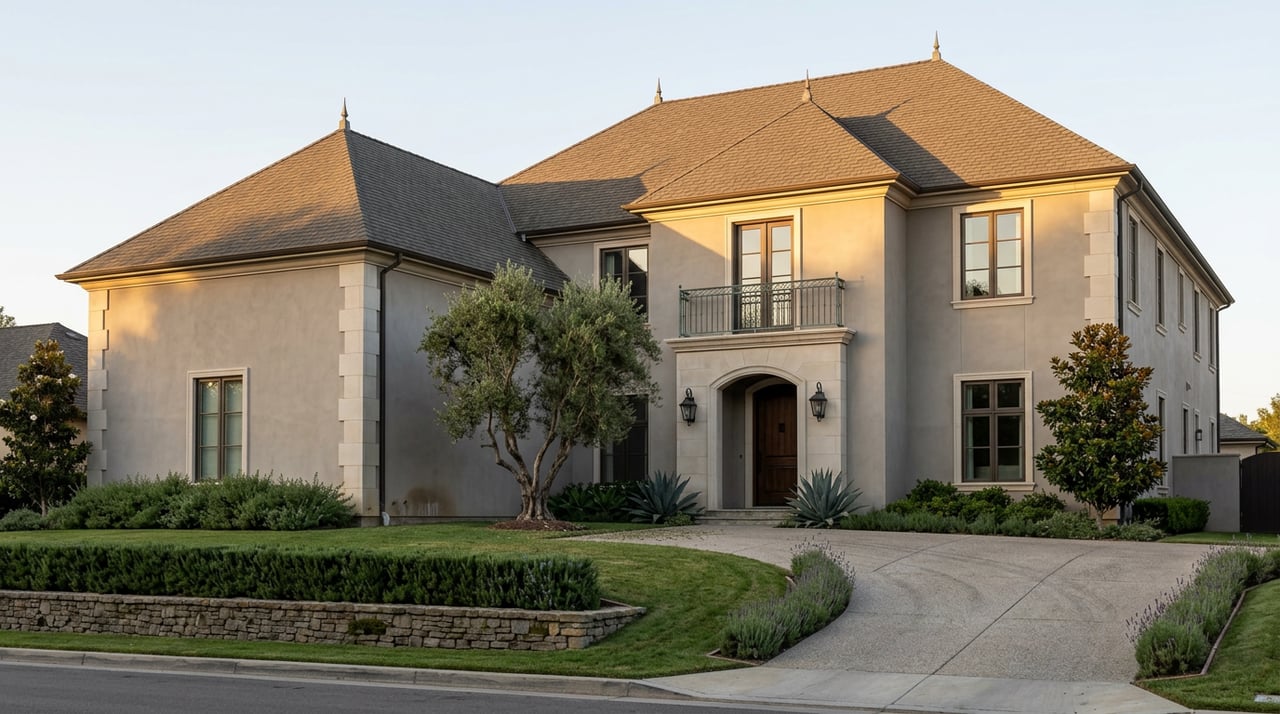
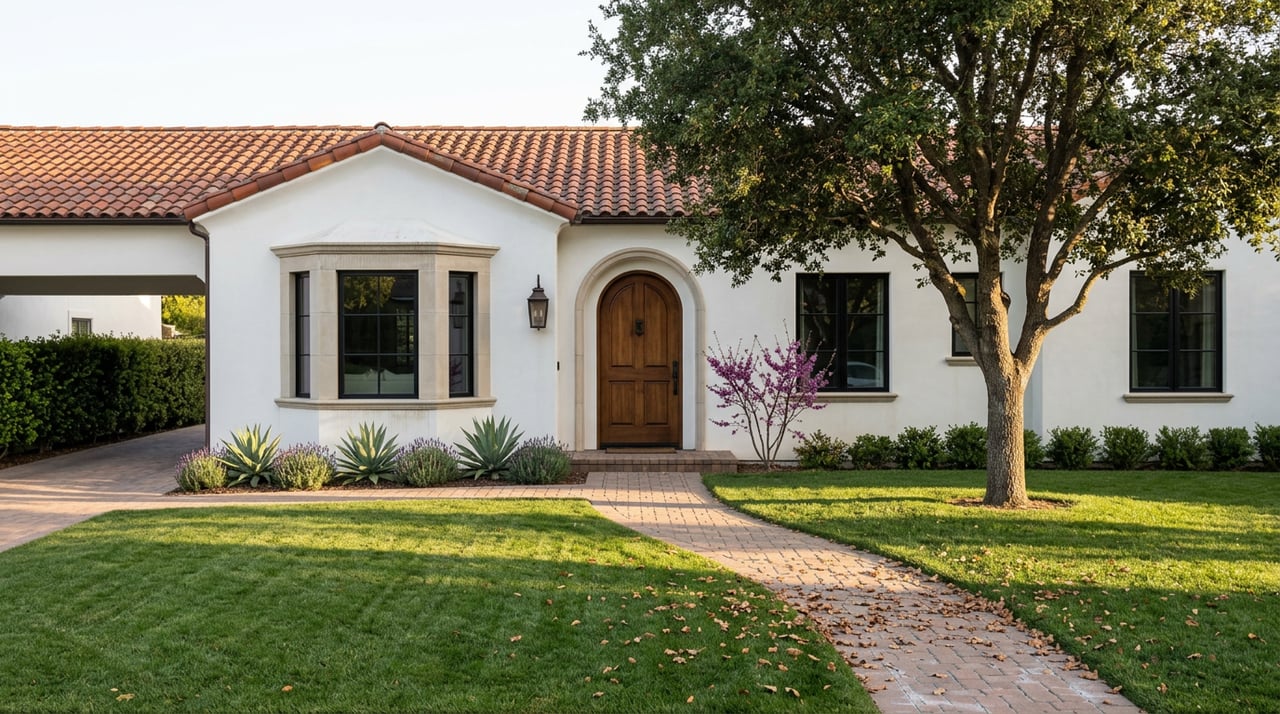
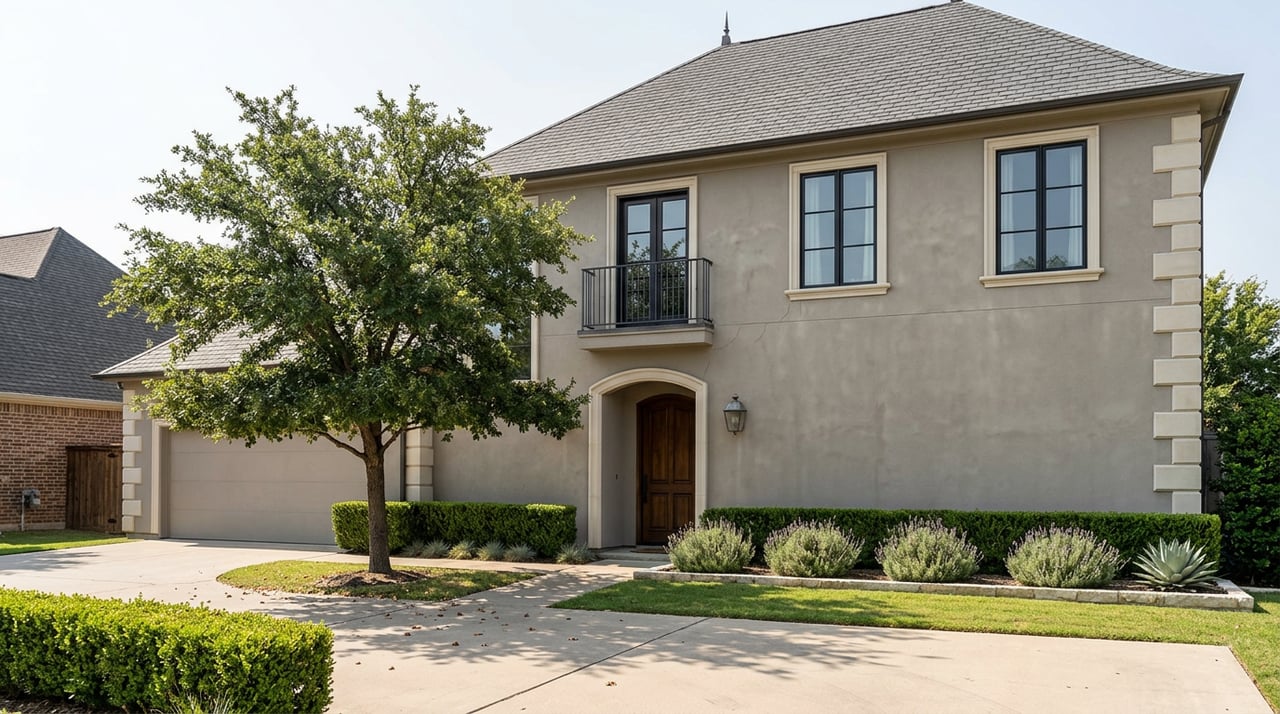
Rancho Cucamonga often gets grouped into the suburban single-family-home category, and that is part of the story. But city housing resources show a broader mix than many buyers first assume.
The city points to affordable rentals, senior communities, homeowner assistance, mobile home parks, and repair programs for owner-occupants of single-family homes, condominiums, townhomes, mobile homes, and two-unit properties. Homeowners can also add attached, detached, or garage-conversion accessory dwelling units under the city’s ADU guidance.
The Market Reflects an Established City
Census data show a median owner-occupied home value of $740,200 and a median gross rent of $2,357. Combined with the city’s 62.3% owner-occupied rate, that points to a market with many established homeowner neighborhoods alongside a meaningful rental segment.
The city also says it has created or acquired more than 1,000 reduced-rate units. Overall, the housing picture suggests Rancho Cucamonga is not one-note. It supports a range of living situations within a largely established suburban framework.
What Living Here Feels Like Overall
So, what is it like to live in Rancho Cucamonga today? For many people, it feels balanced. You get a city with recognizable shopping and dining hubs, a strong outdoor component, varied neighborhood settings, and solid regional access.
It also feels established rather than emerging. The city’s household stability, multiple activity centers, and broad housing mix create a sense of a place that already has its systems, patterns, and routines in place.
If you are looking for an Inland Empire city where daily life can include foothill views, practical convenience, and access to both local amenities and regional routes, Rancho Cucamonga offers a lot to consider. And if you are exploring homes in established suburban markets across the Inland Empire, Coldwell Banker Icon can help you make sense of your options with local insight and a clear plan.
FAQs
What is daily life like in Rancho Cucamonga, California?
- Daily life in Rancho Cucamonga often centers on convenient access to shopping, dining, parks, trails, and commuter routes, with different parts of the city offering either more open foothill settings or more built-up, convenience-focused areas.
Does Rancho Cucamonga, California, have good shopping and dining?
- Yes. Major hubs include Victoria Gardens, Haven City Market, and Terra Vista Town Center, along with long-running local restaurant names highlighted by the city.
Is Rancho Cucamonga, California, good for outdoor recreation?
- Rancho Cucamonga has a strong outdoor identity, with places like Central Park and the North Etiwanda Preserve contributing to everyday access to parks, trails, and foothill open space.
What is the commute like from Rancho Cucamonga, California?
- Commuting is a normal part of life in Rancho Cucamonga, with direct access to SR-210 and I-15, nearby I-10 access, a Metrolink station on the San Bernardino Line, and an average commute time of 32.3 minutes.
What types of housing are available in Rancho Cucamonga, California?
- The city includes single-family homes, condominiums, townhomes, mobile homes, rentals, senior communities, and ADU options, with both established owner-occupied neighborhoods and a meaningful rental market.