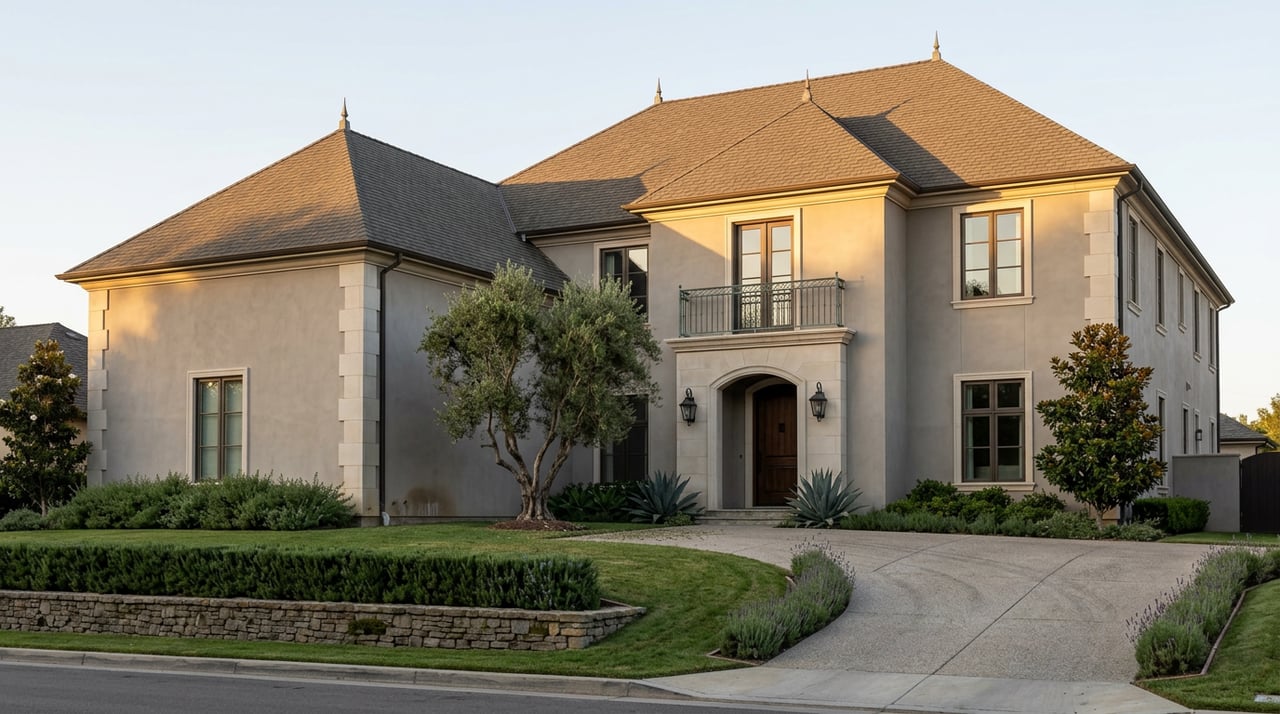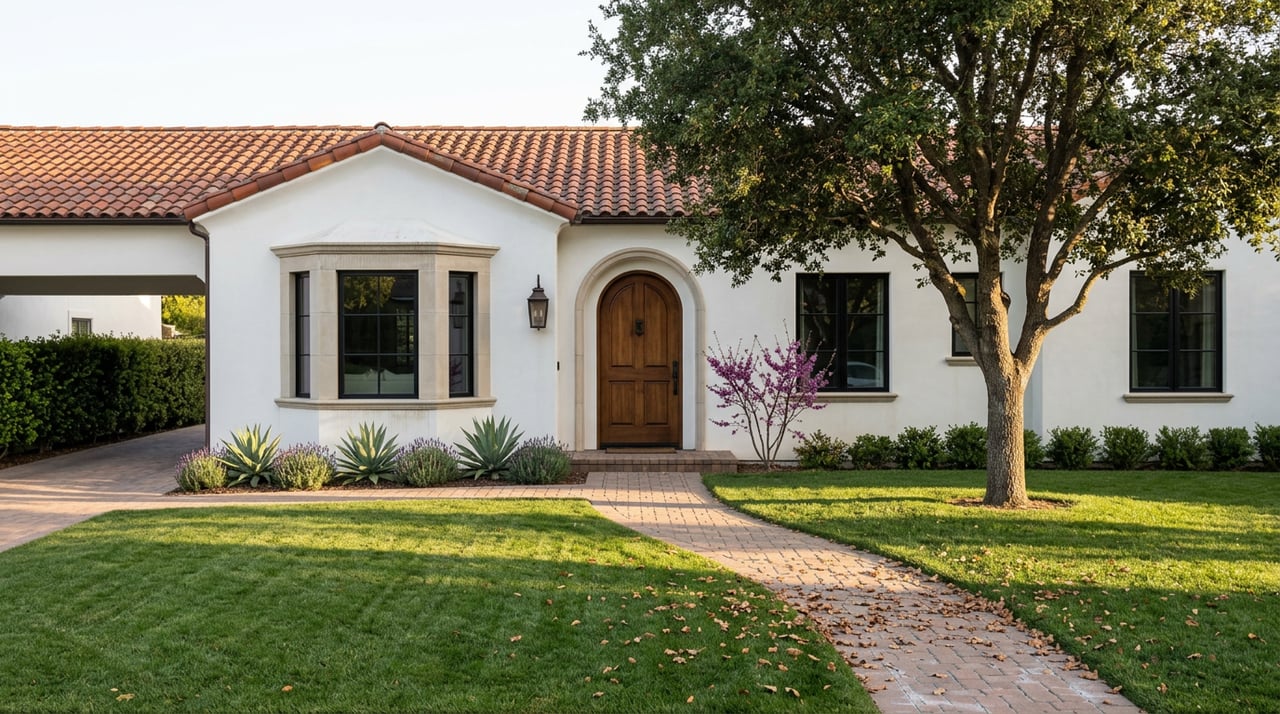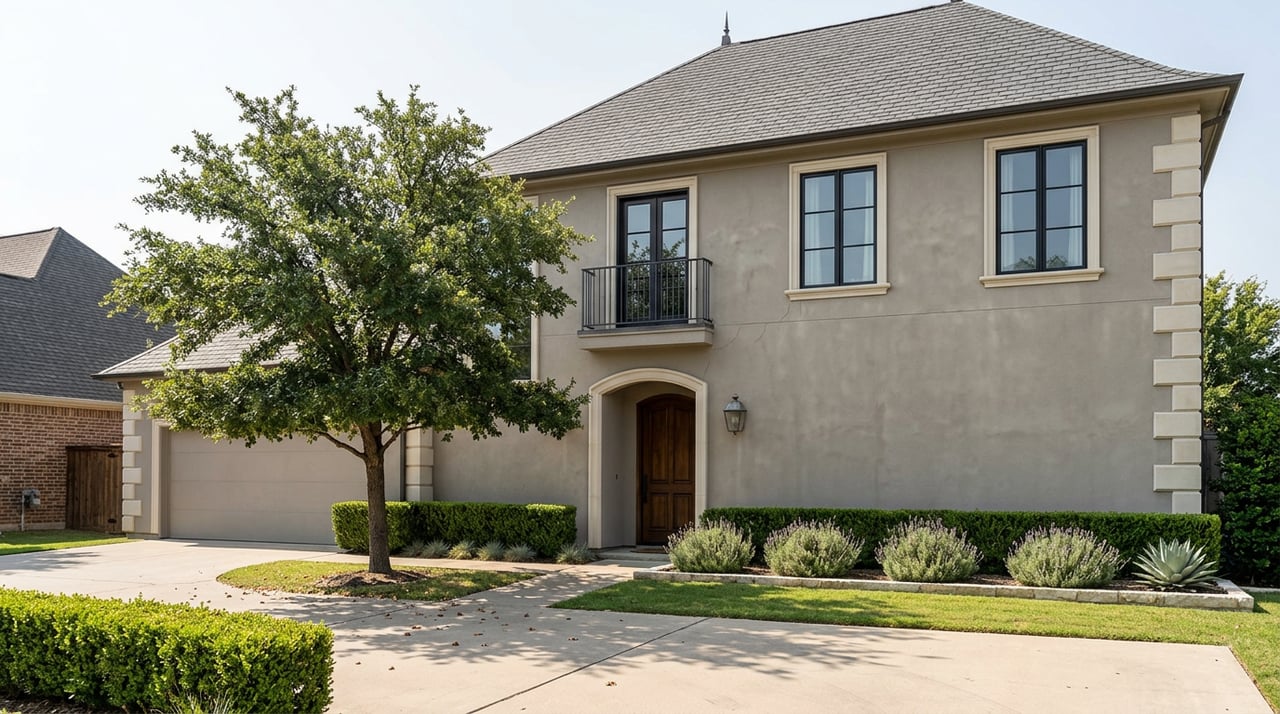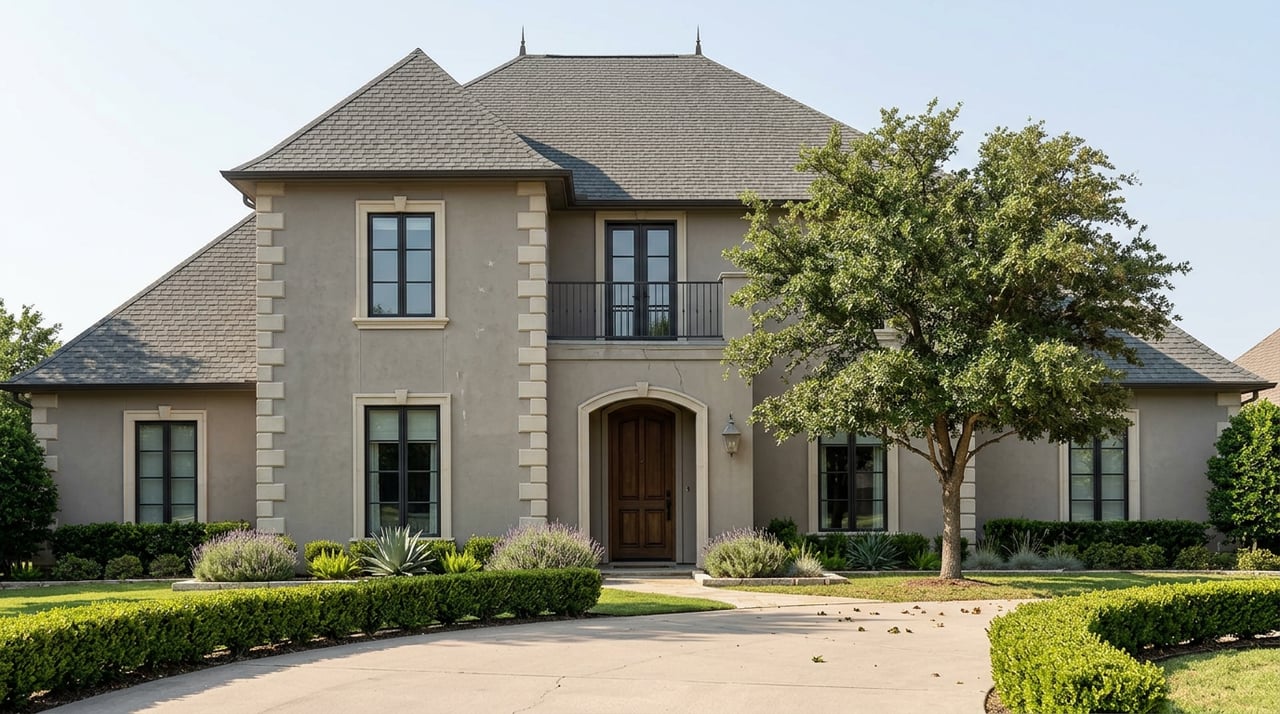
Two listings, four blocks apart. One is a 1920s bungalow on a shaded street in Historic Downtown Upland, listed in the high $500,000s. The other is a newer build a short drive north, priced closer to the city's current median. On paper, the newer home wins on age, wiring, and probably the kitchen. On a monthly statement, it might lose.
The gap isn't about the roof or the plumbing. It's about a line item that never shows up in a listing photo: the property tax bill, and specifically whether that bill is calculated the way California calculates most of them, or the way it calculates homes under a Mills Act contract.
The Number The Listing Photos Don't Show
Upland's overall housing market has been cooling through 2026. As of July 2026, homes across the city were listed at a median price of $735,000, working out to roughly $415 a square foot, with a typical 50 days on market before going pending. That's down from where the city sat a year earlier, and it tracks with a broader slowdown that's shown up in fewer closed sales and longer negotiation windows citywide.
Inside that citywide number, though, sit at least three distinct price tiers that behave nothing alike:
| Area | Typical price point | What drives it |
|---|---|---|
| Historic Downtown Upland | Median list around $599K, roughly $417/sqft (Oct. 2025) | Smaller lots, older construction, walkable to 2nd Avenue |
| North Upland vintage streets | Median list around $849K | Larger lots, more square footage, still older housing stock |
| San Antonio Heights (hillside) | Median list near $1.4M, with recent closed sales pricing closer to $1.6M (May 2026) | Custom estates, larger lots, view premiums |
Read that table as a simple price ladder and Historic Downtown Upland looks like the bargain rung. Read it as a monthly cost comparison, and the ladder gets more interesting. Under standard California property tax rules, a home is taxed on roughly 1 percent of its purchase price under Proposition 13, plus voter-approved local bonds. A $735,000 home and a $599,000 home would normally sit on a predictable line: the cheaper house costs less, full stop. Upland's historic districts break that line.
The Mechanism: Taxed On Rent, Not On Price
A property under a Mills Act contract in California isn't assessed the standard way. Instead of basing the tax bill on what the buyer paid, the county assessor values the home using an income approach, essentially treating it as if it were a rental and calculating what comparable rents in the area would generate, then applying a capitalization rate to arrive at an assessed value. That number is often well below the home's actual purchase price, which is why the resulting tax bill can be dramatically lower than a straightforward 1 percent calculation would produce.
Upland's own Planning Division puts a number on this rather than leaving it vague. The city notes that Mills Act savings statewide typically range from 20 to 70 percent, but that in Upland specifically, most contracts land in the 40 to 60 percent range. That's a meaningfully tighter, more favorable band than the general California figure, and it's the kind of detail a buyer only finds by asking the city directly rather than scanning a listing sheet.
There's a second twist that matters for anyone shopping rather than already owning: the city states that the greatest savings under the Mills Act tend to go to recent buyers of historic properties, not long-time owners who've held a home for decades. A homeowner who bought thirty years ago at a low Proposition 13 basis may see little or no benefit from enrolling. A buyer purchasing this year at 2026 prices is in the best position to benefit, because the gap between market-rate assessment and income-based assessment is usually widest right after a sale.
What Actually Qualifies
Not every older home in Upland gets this treatment. To enter a Mills Act contract, a property has to be:
- Listed as a contributing structure within one of Upland's nine locally designated historic districts, which include the Euclid Avenue District along with Old Magnolia, Pleasant View, Victorian Row, Stowell, and Civic Center East
- Individually designated as a local historic landmark, or
- Listed on the National Register of Historic Places
The Euclid Avenue District itself carries a specific pedigree worth knowing if you're evaluating a home there: it was laid out by the Chaffey brothers as part of the original Ontario Model Colony, built around a 200-foot-wide boulevard designed as the colony's signature spine, and it was locally recognized as a historic district in April 2004, with a period of significance running from roughly 1895 to 1936. Upland Heritage, the nonprofit that has spent 37 years surveying and registering historic homes in the city, has helped put more than 900 properties through that survey process, with hundreds now holding active Mills Act contracts.
The Part Nobody Mentions At The Open House
A Mills Act contract is not a coupon. It's a legal agreement with obligations, and those obligations transfer to whoever buys the house next.
The contract runs for a minimum of 10 years and renews automatically each year unless either the owner or the city files notice to stop it. During that time, the owner has to maintain and preserve the property according to the city's historic preservation standards, and any exterior work that changes the home's appearance requires a Certificate of Appropriateness from the city before it can proceed. The City of Upland's historic preservation page is direct about the disclosure piece too: sellers of a Mills Act property are expected to inform buyers of the contract's requirements and flag any unfinished items from the home's 10-year maintenance plan, because the new owner inherits both the tax benefit and the to-do list.
Cancel the contract early, or fail to renew it, and the tax savings don't disappear overnight. They phase out gradually until the bill matches standard market-rate assessment again. A buyer who assumes a Mills Act home's low tax bill is permanent, regardless of what they do to the property, is working from the wrong assumption.
In Upland, the list price tells you what it takes to get in the door. The Mills Act tells you what it actually costs to stay.
The Clock Buyers Should Know About
Here's the part that makes this a now problem rather than a someday problem. The city accepts Mills Act applications on a single annual deadline: September 30. Every application submitted before that date gets reviewed together as one annual class. Miss it, and the next opportunity is a full year away.
For anyone who closed on a historic-district home earlier this year, or is under contract on one right now, that date is roughly seven weeks out from today. Waiting until next spring to think about enrollment means paying a full year of standard assessment on a property that might have qualified for a 40 to 60 percent reduction the whole time.
Who This Actually Helps
The math favors a specific kind of buyer: someone purchasing a historic-district or individually designated home now, planning to hold it for years, and willing to take on a documented maintenance commitment in exchange for a lower ongoing bill. It's less compelling for someone who wants maximum flexibility to renovate however they like without city review, or someone who expects to sell again within a few years, since the savings compound the longer the contract runs.
It's also worth separating the emotional pitch from the financial one. Upland's historic homes carry real character: original hardwood floors, mature street trees, proximity to a walkable downtown. Those are reasons to want the house. The Mills Act is a separate, colder calculation about what it costs to keep it, and the two shouldn't get blended into one vague sense that "old house, good deal."
Frequently Asked Questions
If I buy a home that already has a Mills Act contract, do I automatically get the tax savings? Yes. The contract runs with the land, not the individual owner, so a new buyer inherits both the reduced assessment and the preservation obligations the previous owner agreed to, including any unfinished items on the 10-year maintenance plan.
How do I find out if a specific Upland property qualifies? Contact the city's Development Services Planning Division directly, or check whether the address appears on Upland Heritage's historic home survey list. Being in an older neighborhood isn't enough. The property needs a formal designation, either through district membership, individual landmark status, or the National Register.
What if I want to apply this year? Get the application in before September 30. Applications submitted after that date roll into the next annual cycle, meaning a full year's delay before any tax adjustment takes effect.
If you're weighing a historic Upland purchase against a newer build across town, the sticker price is only half the comparison. The other half lives in a county tax formula most buyers never think to ask about. Jessie Rodriguez has spent years working both sides of Inland Empire real estate, from renovated character homes to the disposition side of the business, and can walk through what a specific Upland address would actually cost to own, Mills Act math included. Reach out to request a property evaluation before this year's September 30 filing window closes.