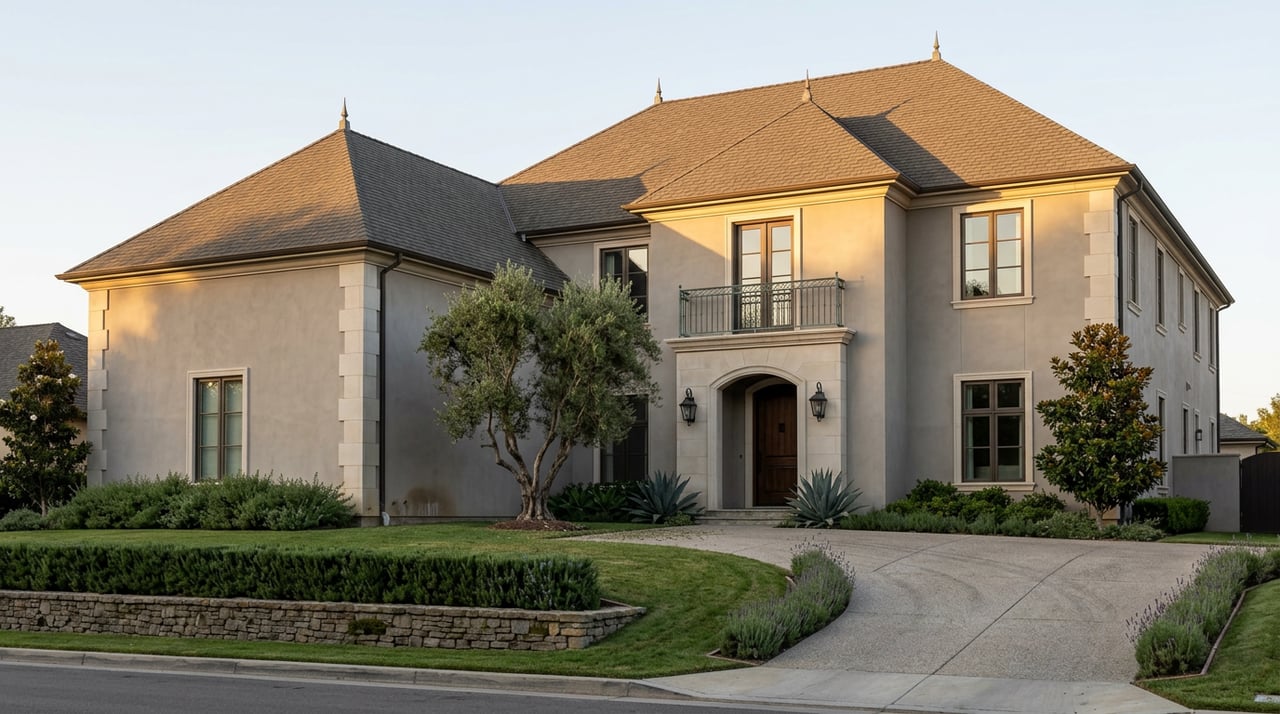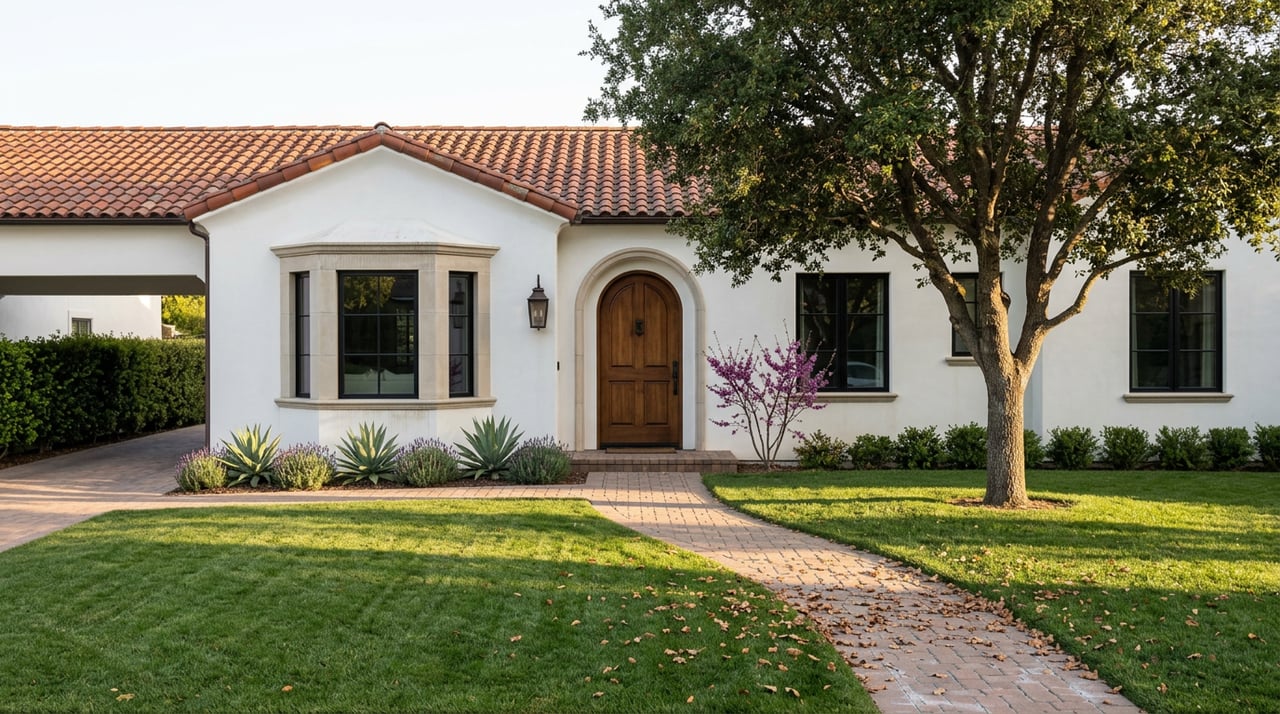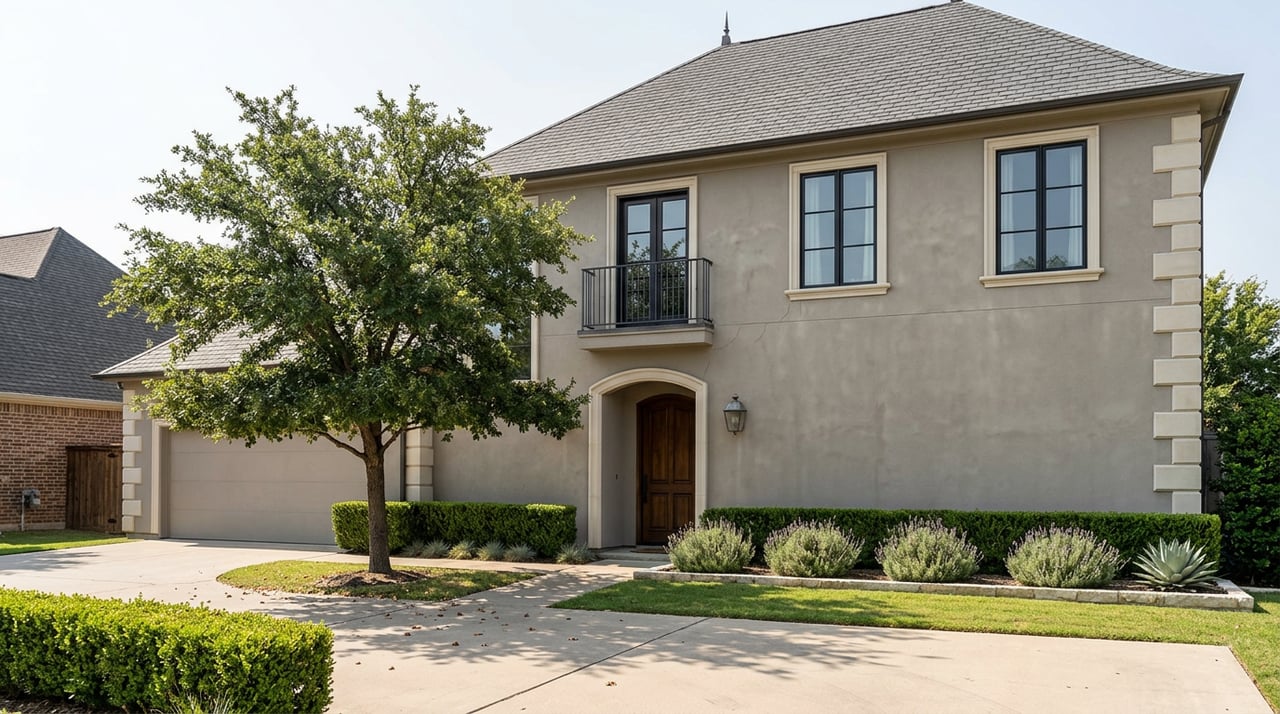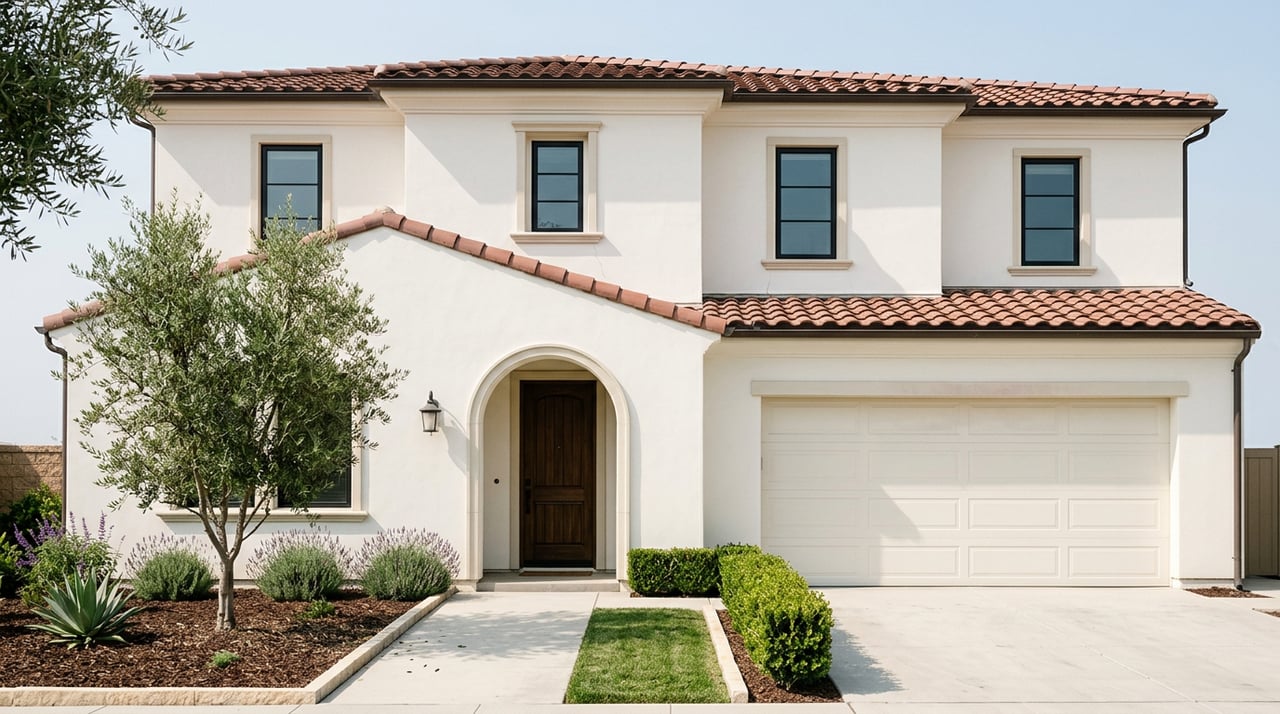
Scroll through new construction in Citrus Heights or Shady Trails long enough and you will hit a line you do not see anywhere else in the Inland Empire market: "No Mello-Roos." It shows up in bold, sometimes as the first thing after the bedroom count. It reads like a bonus feature, the way a listing might mention owned solar or a corner lot.
It is not a bonus feature. It is a warning label in reverse. If one home in a gated North Fontana tract needs to announce that it does not carry a Mello-Roos special tax, the home two doors down, built by the same builder in the same phase, almost certainly does. Same floor plan, same HOA, same school boundary. Different bill.
The Line Running Through the Same Zip Code
Fontana's property tax picture is not one number. A review of San Bernardino County tax data earlier in 2026 found that homeowners in zip code 92337, which covers much of North Fontana's newer development, carry a median effective property tax rate of 1.69 percent. Homeowners in 92335 pay 1.23 percent. That is a spread of nearly half a percentage point inside the same city, and it tracks almost exactly with where the newer, bonded master-planned communities sit versus the older, already-built-out neighborhoods.
Zoom out and Fontana as a whole already runs hot compared to the rest of the state. The same review put the city's median effective rate at 1.45 percent, above the California median of 1.21 percent and well above the 1.02 percent national median. None of that is an accident or a fluke of assessment timing. It is what happens when a city builds several thousand new homes on land that needed roads, storm drains, and sewer lines that did not exist ten years ago, and pays for that infrastructure through special taxes that ride along with the property instead of through the general fund.
| Area | Effective property tax rate | What's driving it |
|---|---|---|
| Fontana citywide | 1.45% | Blend of older and newer tracts |
| Zip 92335 | 1.23% | More established, less CFD coverage |
| Zip 92337 | 1.69% | Concentration of newer North Fontana CFDs |
| California median | 1.21% | Baseline under Prop 13 |
| National median | 1.02% | Baseline for comparison |
Where the Mello-Roos Line Actually Runs
Mello-Roos is not a Fontana invention. Proposition 13 capped general property tax growth in 1978, and cities responded by forming Community Facilities Districts, so a developer could build the streets and sewers a new subdivision needs, sell bonds against future tax revenue, and pass the repayment to the homeowners who actually live there. Fontana's own finance department describes the arrangement plainly: developers put in the regional infrastructure, the cost gets folded into an annual special tax instead of the sale price, and the tax runs until the bonds are retired, typically over a 30-year period.
That structure is exactly why the "No Mello-Roos" listings cluster where they do. The Arboretum, at Casa Grande and Sierra, is the city's largest planned community and will eventually hold about 3,500 housing units built out over CFD-funded phases. Sierra Lakes, tucked near the base of the San Gabriel Mountains along Interstate 210, was planned for up to 2,035 dwellings on lots that range from roughly 3,000 to over 6,000 square feet, all financed the same way. Summit at Rosena, at Sierra and Summit, is still adding phases toward a build-out of more than 850 units. Shady Trails, further north and gated, has been selling homes from 2007 through brand new 2024 construction, all inside the same CFD boundary.
Citrus Heights sits in an odd middle ground. The community dates back to 2004 and finished construction around 2013, which puts some of its parcels closer to the older, lower-rate side of the ledger and others still inside active bond repayment. That is precisely why you see listings inside the same gated Citrus Heights entrance where one home calls out "No Mello-Roos" and its neighbor says nothing at all. It is not marketing inconsistency. It is two different tax realities sitting on the same street.
A house is not just a price. It is a price plus whatever recurring obligation rides along with the parcel, and in North Fontana that obligation can move your effective tax bill by nearly half a point depending entirely on which side of a CFD boundary the lot happens to fall.
What This Means Against the Rancho Cucamonga Price Tag
Buyers comparing Fontana to Rancho Cucamonga usually start and stop at the median. As of February 2026, Fontana's median sale price sat at $624,995, down 6.0 percent year over year, while Rancho Cucamonga's median was $772,500. On paper that is a gap of roughly $147,500, and it is easy to read that as Fontana simply being the more affordable choice.
The gap in the sale price is real. The gap in what you actually pay every month is smaller than it looks once you know which North Fontana parcel you are buying. Combined Mello-Roos assessments above $3,000 a year are common in fast-growing pockets of the Inland Empire, and CFD-heavy zip codes across California routinely see effective tax rates run 1.5 to 1.7 percent of purchase price, compared with 1.1 to 1.3 percent in areas without a district. On a $624,995 home, the difference between a 1.23 percent and a 1.69 percent effective rate is close to $2,875 a year, or roughly $240 a month, before you even factor a standalone CFD line item some parcels carry on top of the base rate. Run that out over a decade and the "cheaper" Fontana home has quietly closed a meaningful chunk of its price advantage over Rancho Cucamonga, without the seller doing anything except sitting inside a different tax boundary.
This is the part a median price will never show you. Two homes can list for the same number in the same North Fontana zip code and still carry different true monthly costs, because the tax follows the parcel's CFD history, not the sale price.
How to Check Before You Write an Offer
California law already puts the paperwork in your hands. Civil Code Section 1102.6 requires a seller of property inside a Community Facilities District to hand the buyer a formal Notice of Special Tax before the sale closes, and Fontana's finance office will confirm the specifics for any parcel in the city.
- Ask for the Notice of Special Tax disclosure before you write the offer, not after you are in contract.
- Pull the current secured property tax bill and look for a line item labeled CFD, Community Facilities District, or a district number rather than assuming the base 1 percent is the whole story.
- Ask how many years remain on the bond. Fontana's districts typically run about 30 years from formation, so a newer phase in The Arboretum or Sierra Lakes may still owe two decades of payments, while an older Citrus Heights parcel could be close to paid off.
- If the listing agent cannot answer, call Fontana's Finance Department directly. The city publishes a contact for exactly this question on its CFD disclosure page.
None of this shows up in a portal search filter. It shows up on the actual tax bill, and that is the document worth asking for before you fall for a floor plan.
A Few Questions Worth Settling First
Does the Mello-Roos tax ever go away? Yes, once the underlying bonds are paid off, which Fontana describes as typically a 30-year window from when the district was formed. Some districts also fund ongoing maintenance rather than bond repayment, and those can continue as long as the maintenance service is provided.
If a home says "No Mello-Roos," is it automatically the better deal? Not on its own. A parcel without a special tax inside an otherwise CFD-heavy tract can carry a lower effective rate, but you still need to compare the full picture, base rate, HOA dues, and any remaining special assessments, against the home that does carry one. Sometimes the CFD home was priced lower to begin with.
Can I find this before I even tour the home? Ask your agent to pull the current tax bill by parcel number before you schedule a showing. It takes minutes and tells you more about the real monthly cost than another walkthrough of the kitchen will.
If you are weighing a North Fontana new build against something in Rancho Cucamonga or an older Fontana tract, the sale price is only half the comparison. Jessie Rodriguez can pull the actual CFD disclosure on any address you are considering and walk through what it adds to your real monthly payment, so the only surprise left in the process is how much house you get for the number that actually matters.